



Sakarit is a Graphic Designer & Visual Artist, based in Brooklyn, NYC
"
When the world becomes chaotic and full of turmoil, I hope my art, across digital, virtual, and physical forms, can offer a small place of soul‑relief and wonder, something slightly out of this world, where people can relax, reconnect with themselves, feel inspired, and feel a bit of light on their darkest days.
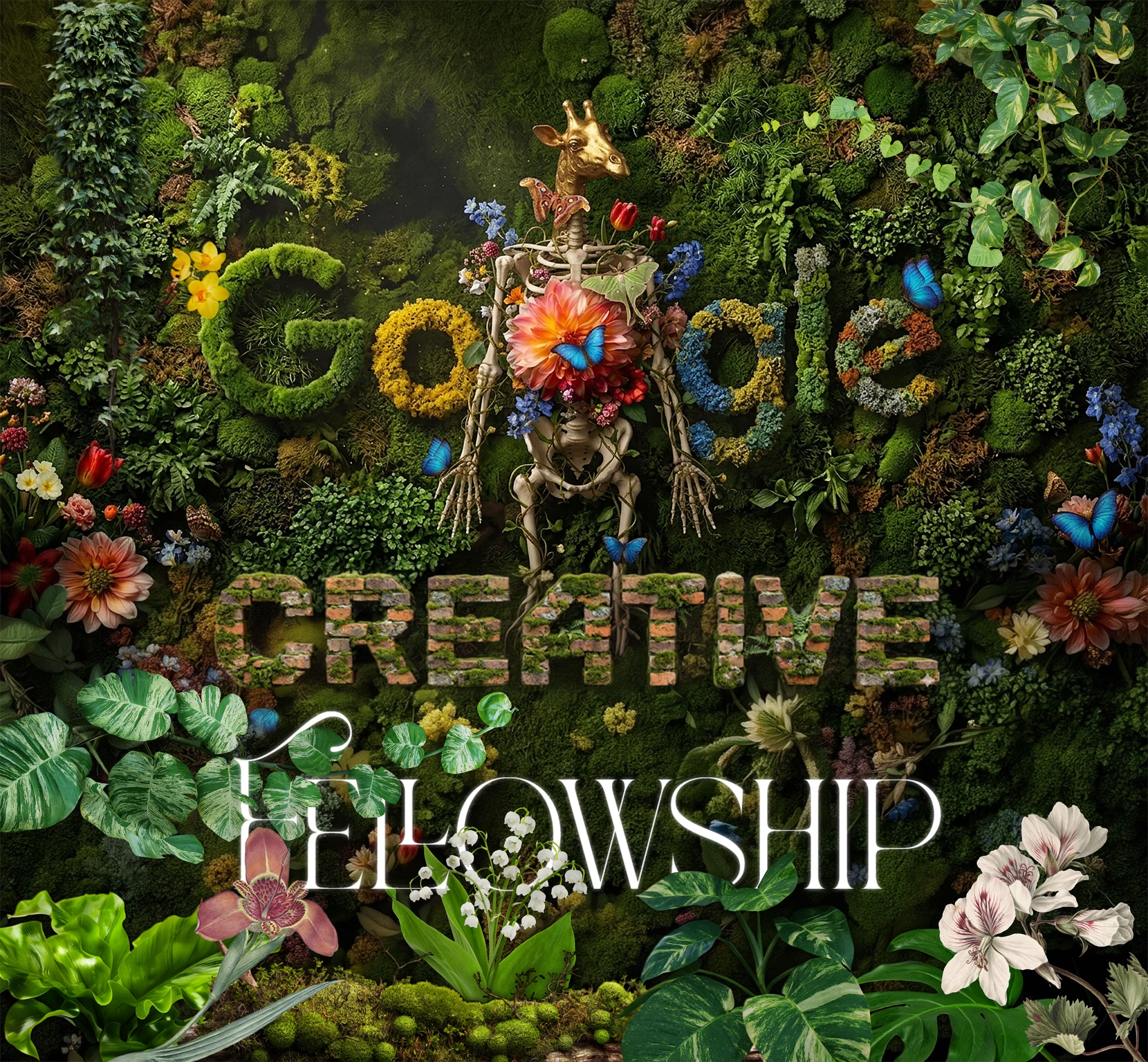
This is a digital artifact created for the Google Creative Fellowship to showcase my work and mesmerizing aesthetic world. Using a mix of Google Apps, Google AI tools, various applications, I have built a collection that explores how AI technology and experiential design can push each other forward. From entrancing motion graphics, interactive narrative to experimental visuals, and ideally a real‑life installation, this page is a glimpse into what I love to do and how I use digital tools to bring captivating and mesmerizing ideas to life.
How can we fuse music, motion, sculpture, and interactive media into a singular, unified ecosystem? This project explores the revival of the Gesamtkunstwerk—the "total work of art"—reimagined for a digital age where every sensory element is synchronized.
How can digital and virtual design principles be transformed into physical space to amplify brand narratives through innovative, sustainable, and energy-efficient installations.
How can a conceptual world‑building be translated into an experiential installation that activates human engagement and supports narrative immersion?
I often begin with the core atmosphere (music, motion, and rhythm) before defining the visual details, even when I’m working with still images that carry their own sense of movement.
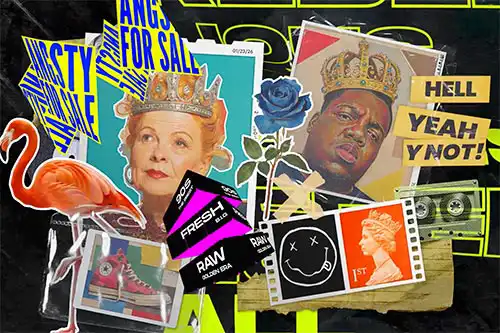
I work with a wide range of creative tools and applications, blending my images, illustrations, found archives, and AI‑generated elements into multilayered, hypnotic motion pieces that explore ‘more‑is‑more’ aesthetics and prototype imaginative new‑era brand concepts.
I make the artworks first, then design the environment to match them. The story comes from the artworks, textures, and atmosphere, shown through both white‑box spaces and detailed, and elaborate systems.
I work through Motion → Mood → World → Experience, letting narrative emerge from energy and atmosphere. Even still images feel like moments from a larger moving world.
I design with an experiential mindset, envisioning how digital elements expand and transform within a physical environment. My goal is to create motion that the audience can feel, not just see, turning a designated space into a living, inspiring narrative.
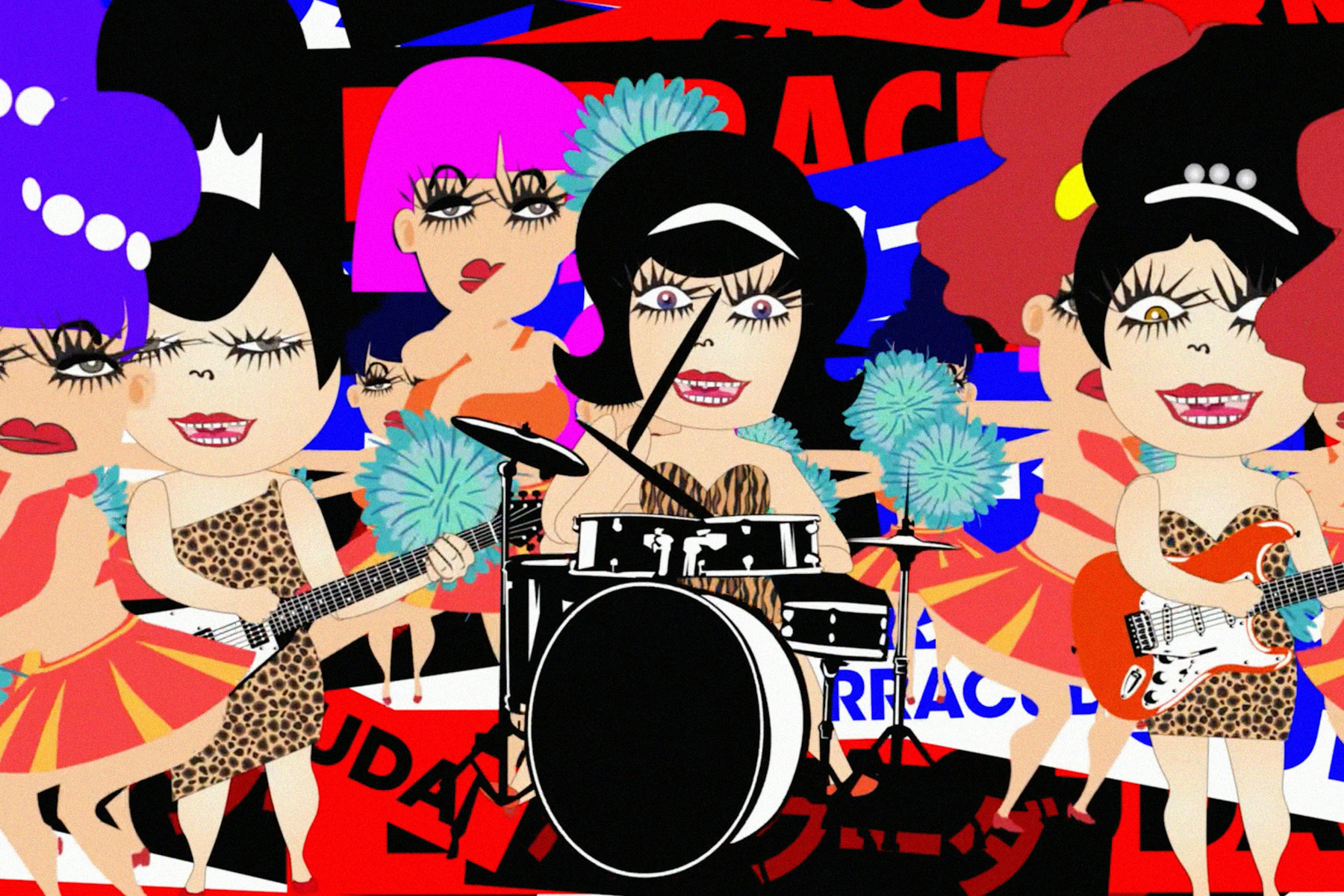
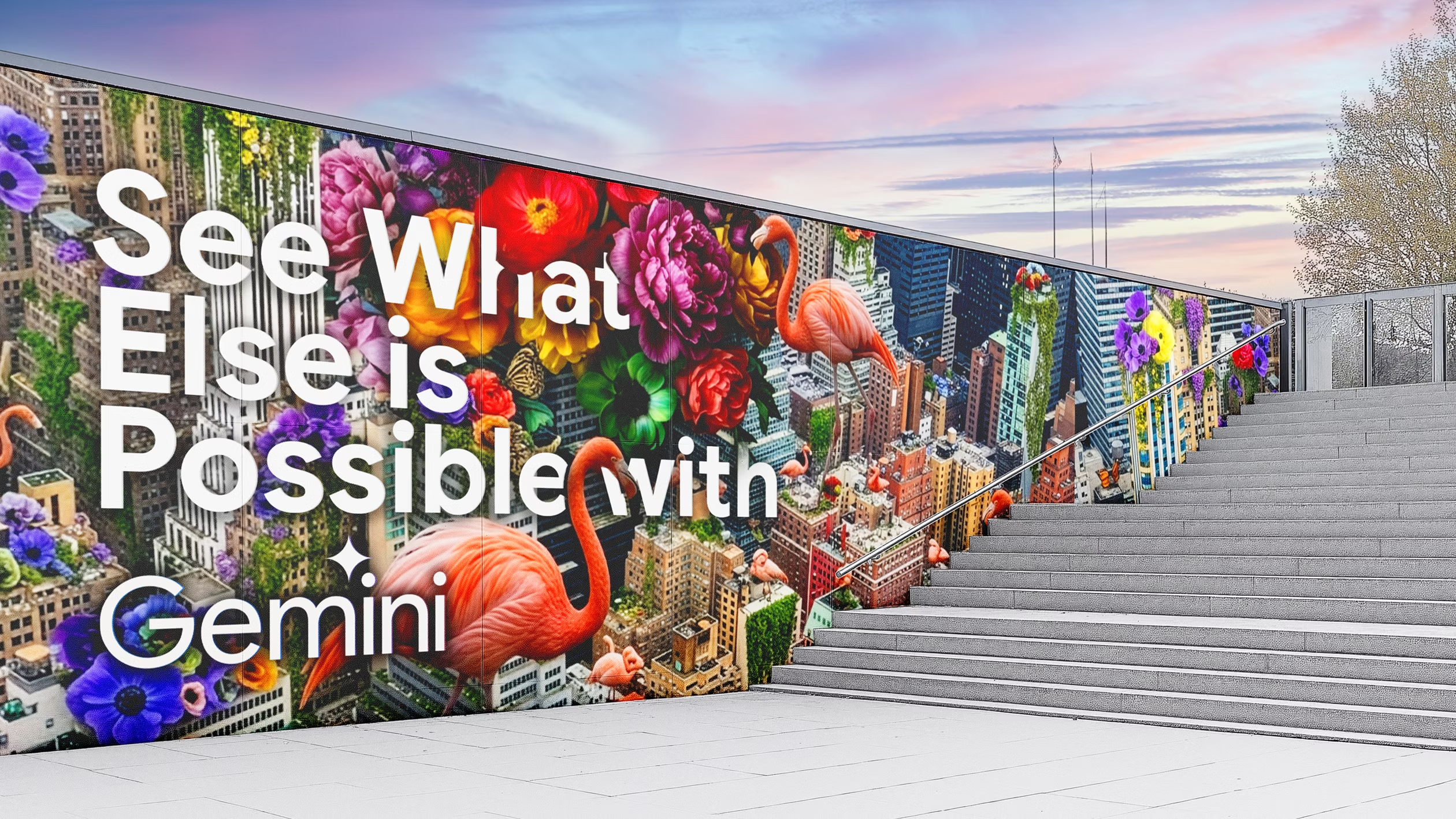
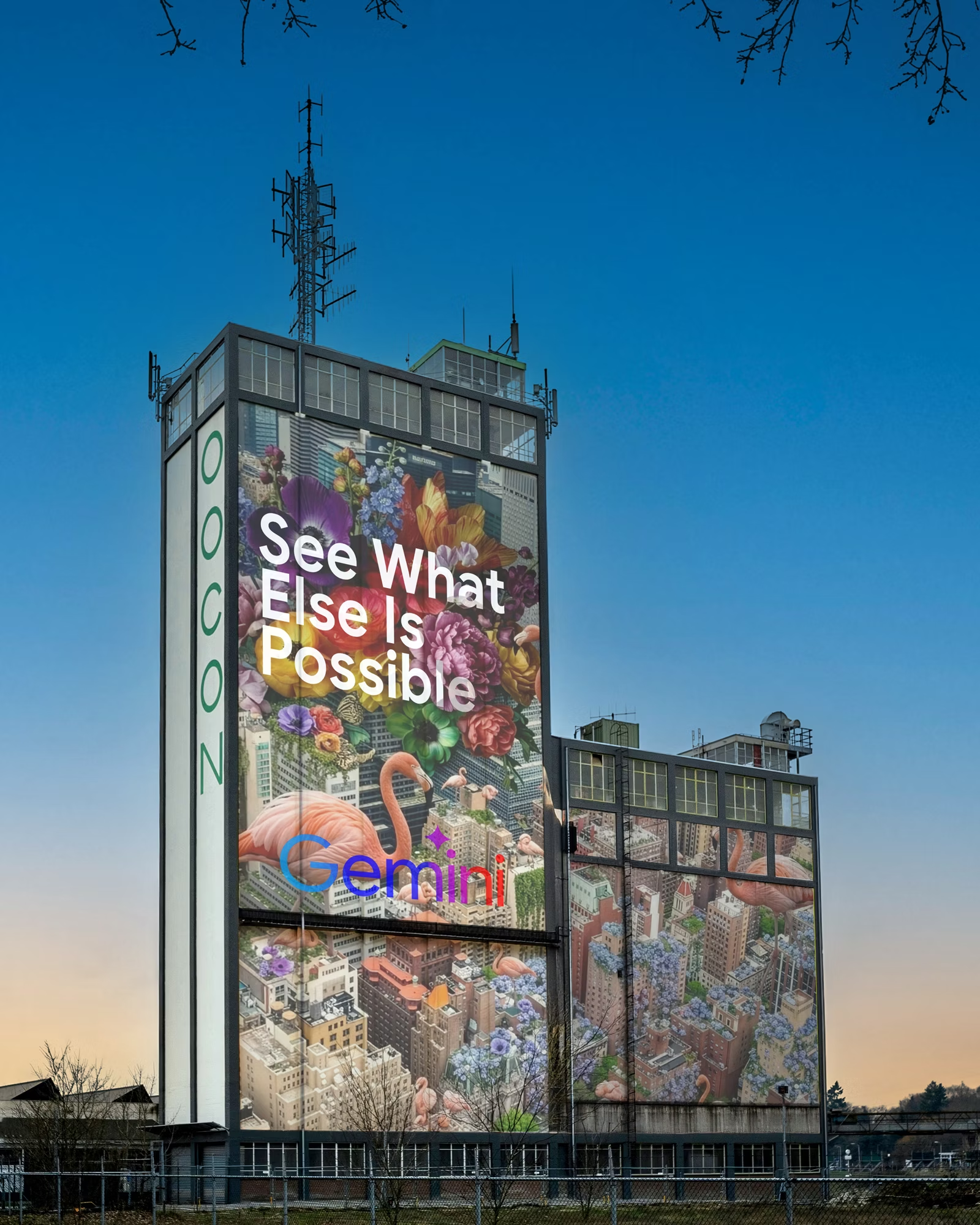
This meticulously crafted and highly elaborate montage animation blends 2D and 3D objects with personal collage, drawing, illustration, and found imagery, along with some graphic elements generated using Google Gemini 3 (with Nano Banana Pro). Because of my personal connection to Afro‑Cuban jazz, I chose Mongo Santamaría’s 1973 track “Sofrito” as the musical foundation. Its fiery, groove‑driven energy shaped the pacing and visual language of the piece, with every cut and transition timed precisely to the rhythm.
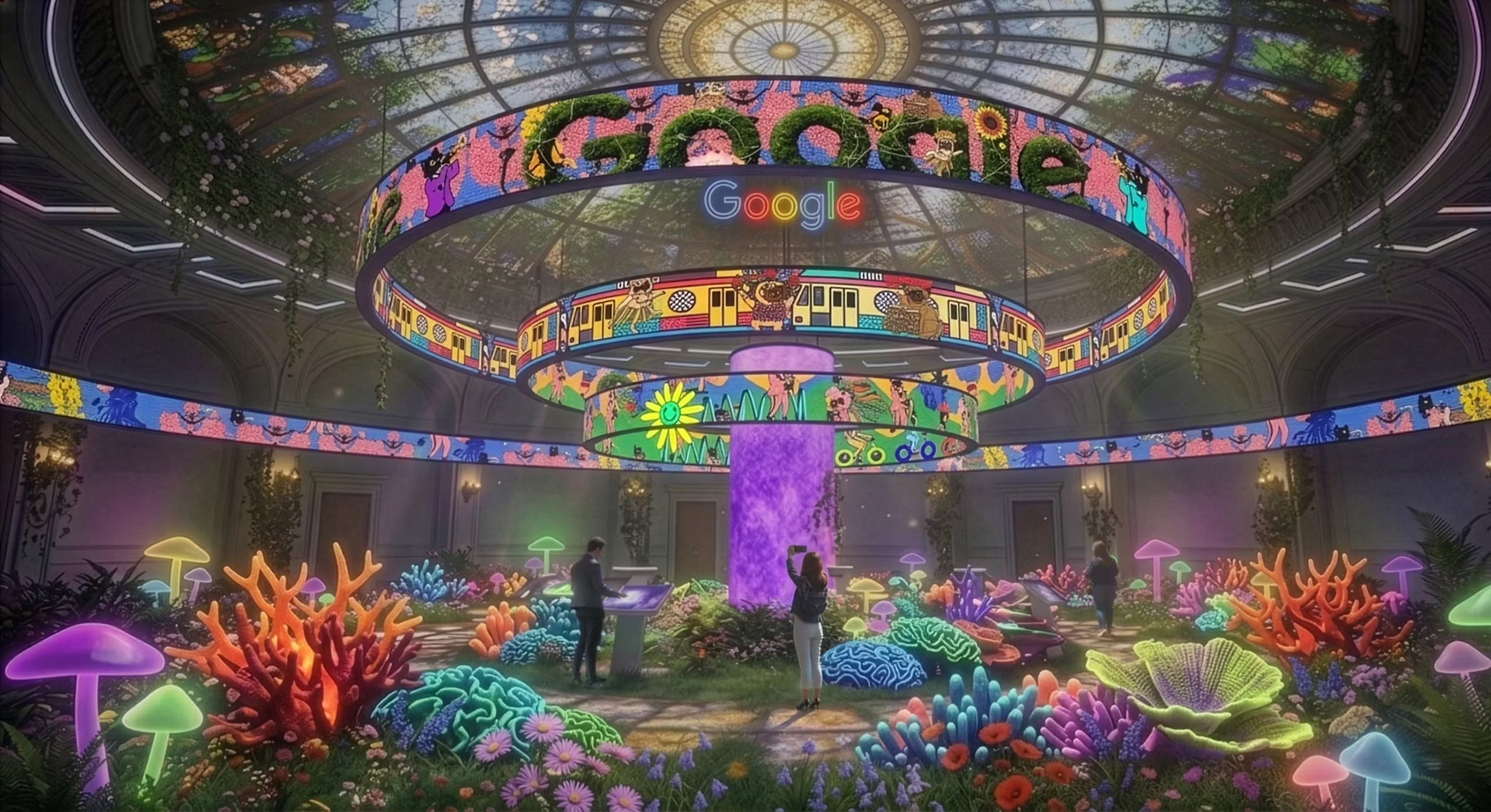
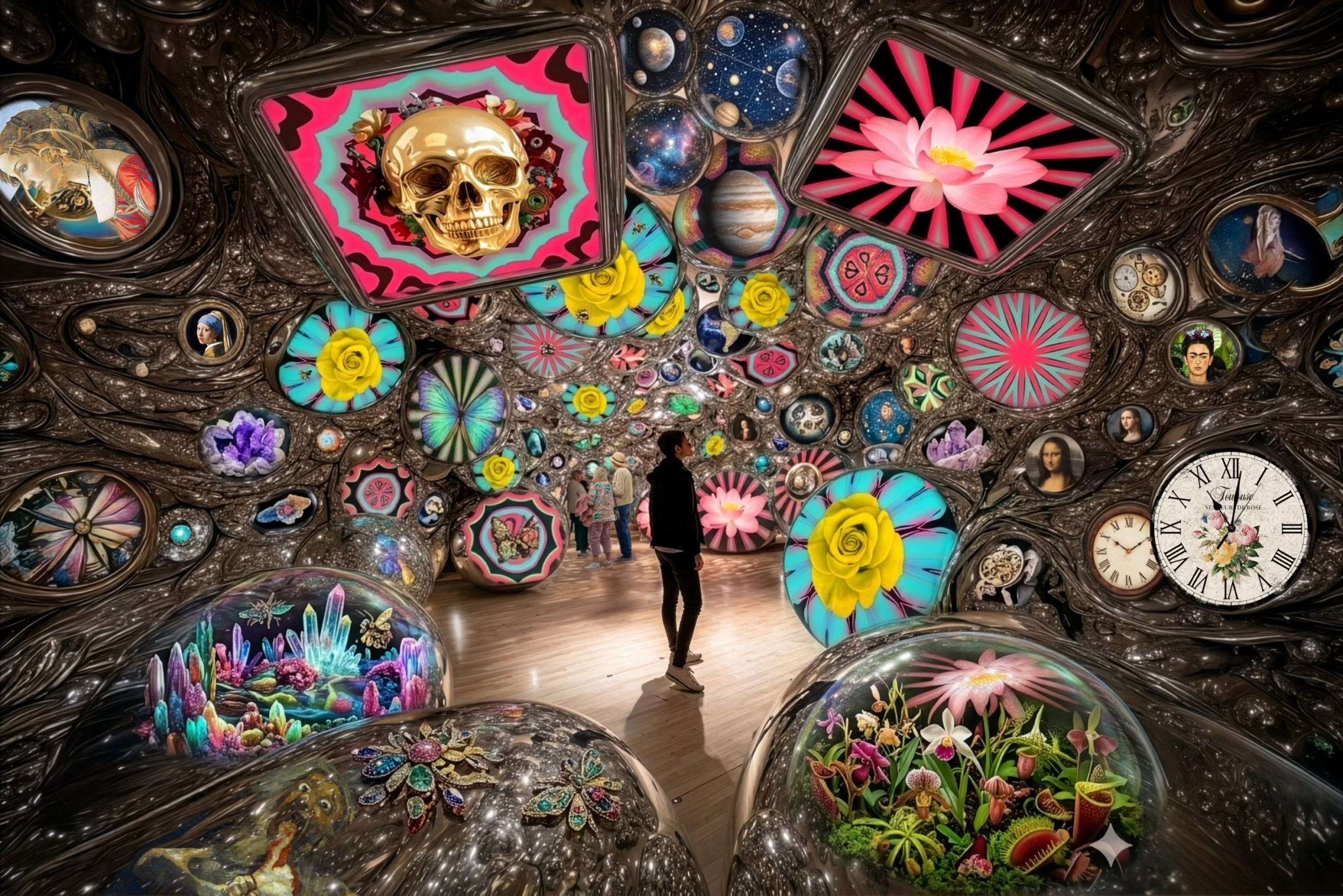
This mockup demonstrates the integration of motion graphics with cylindrical projections and bioluminescent sculptures. It envisions a future for brand experiences where immersive environments are powered by innovative, energy-efficient technologies that significantly reduce environmental impact. This collage was built using Gemini AI, starting with screenshots from my animation, then integrating found images and refining the composition in Photoshop
With the assistance of Google AI and other creative applications, I made this mesmerizing animation as a visualization for an immersive installation, one where digital, interactive, and virtual design can coexist seamlessly within physical space and amplify the project’s larger theme. Gemini AI helped me combine multiple images, and with further refinement in Photoshop, I was able to demonstrate techniques like anamorphic mapping and cylindrical wrapping to break the “flat screen” format, allowing digital content to embrace and respond to architecture.
The bioluminescent‑inspired elements are more than an aesthetic choice; they function as a biophilic strategy. By bridging high‑tech (motion graphics) with high‑touch (nature), the piece creates a world that feels both futuristic and ecologically grounded.
This speculative mockup depicts the integration of motion graphics with cylindrical projections and bioluminescent sculptures. It not only embodies the spirit of Gesamtkunstwerk, "a total work of art," but also envisions a future in which brand experiences unfold within immersive environments powered by innovative, energy‑efficient technologies that meaningfully reduce environmental impact.


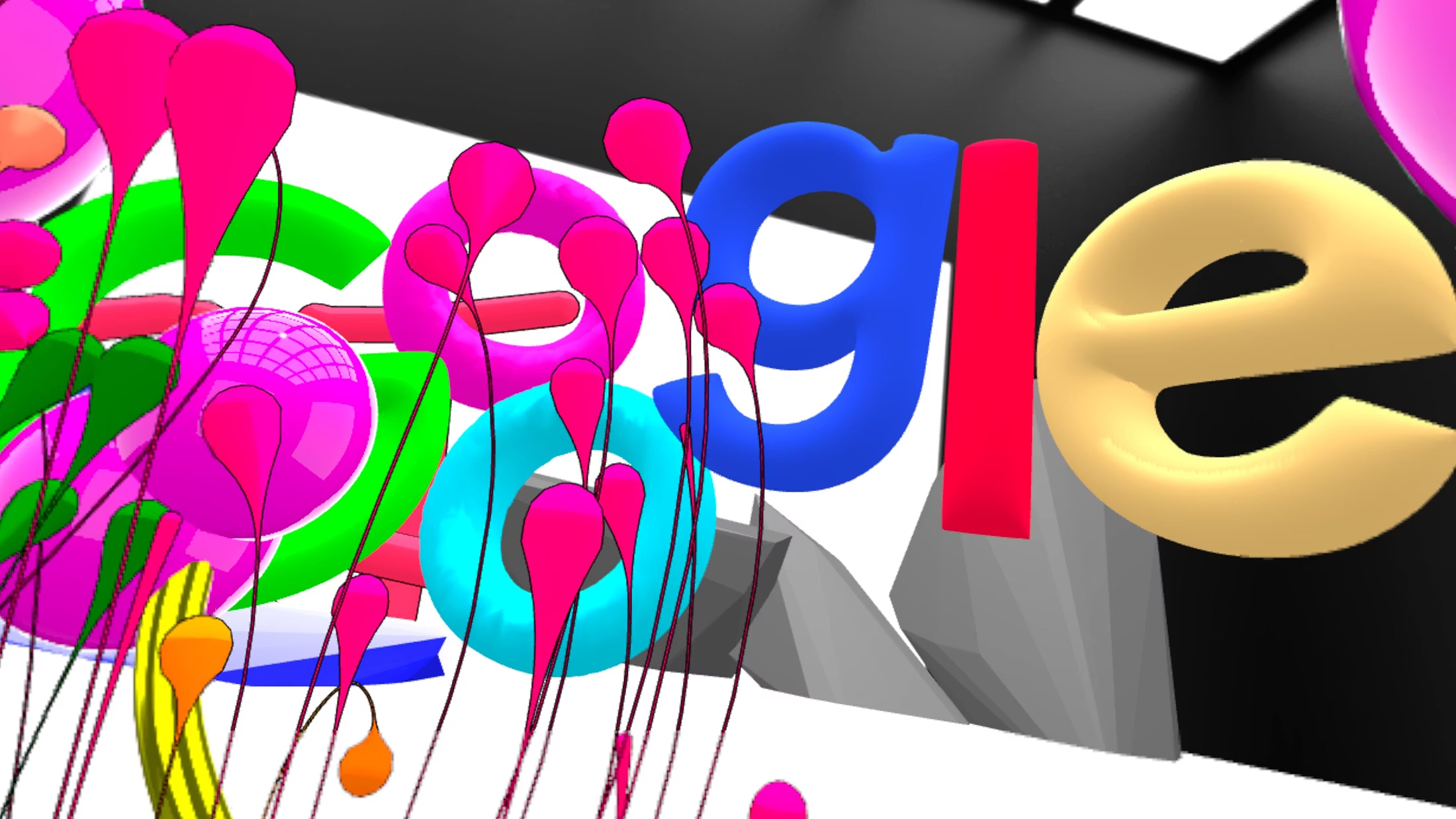
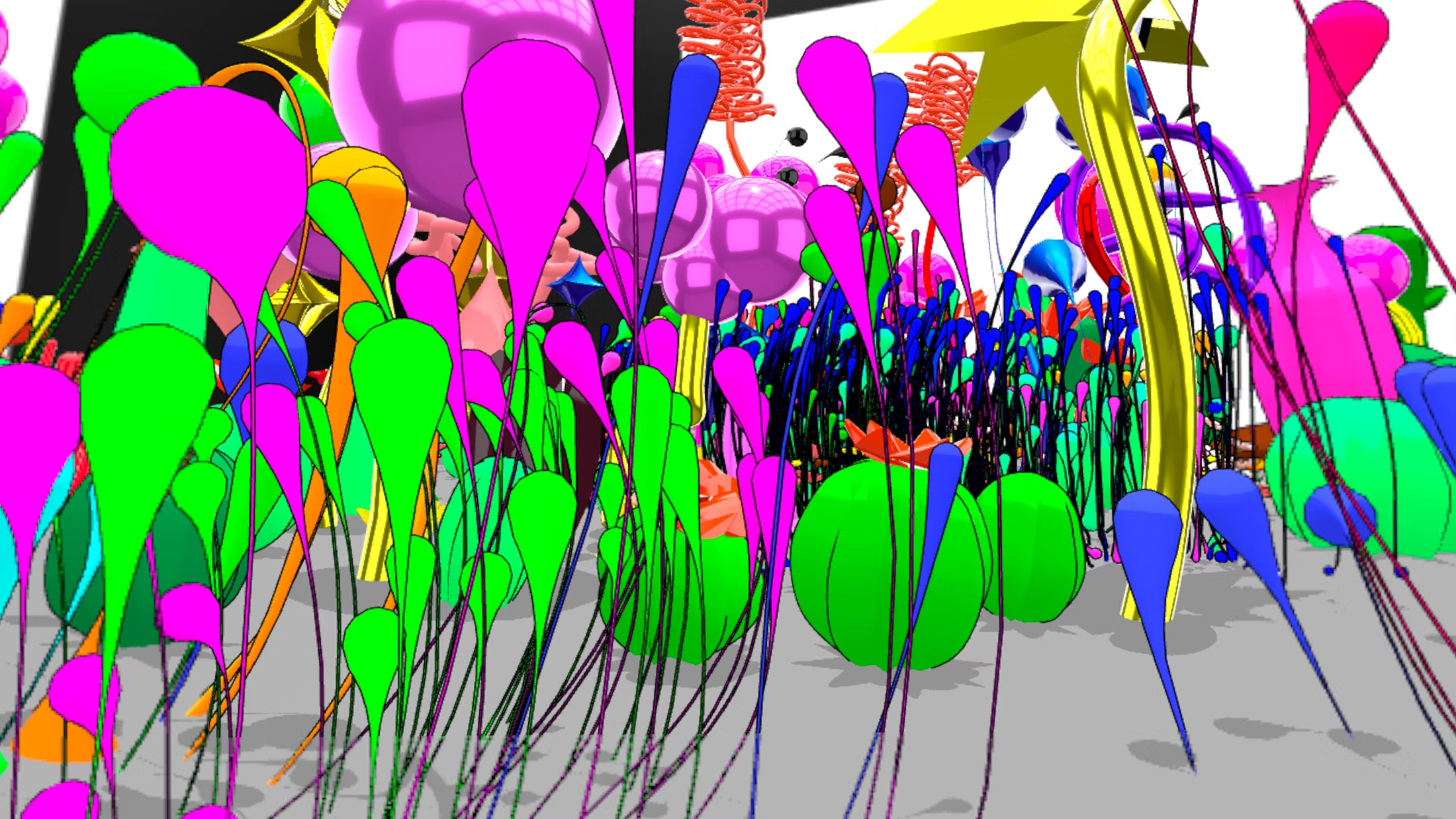
An interactive piece "Google Physics," developed with the AI assistant Google Gemini 3.1. (If things don’t load quite right, you can view the project here.)
This interactive animation has the potential to evolve into a real‑life installation, allowing audiences to experience it directly.
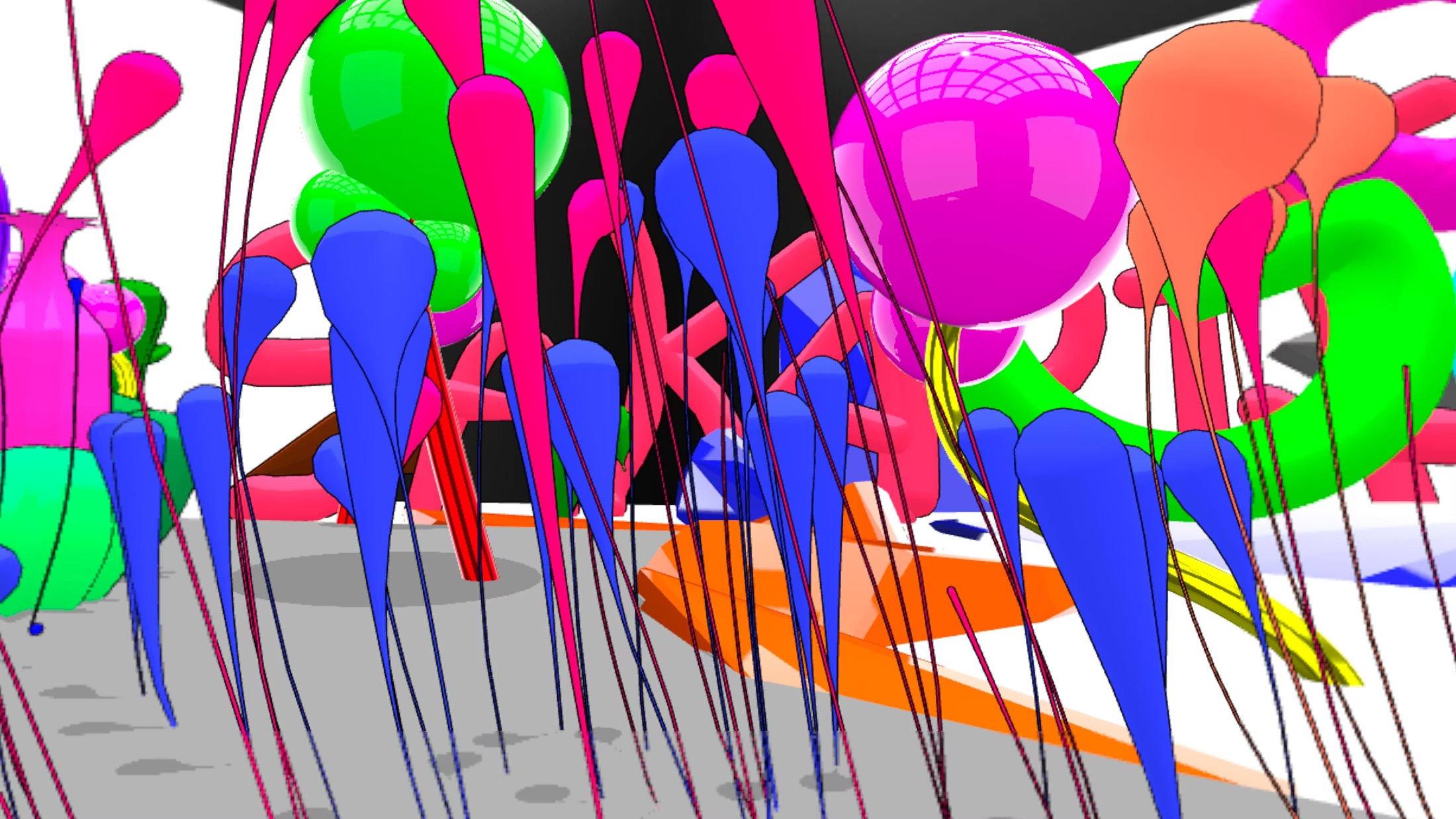
An interactive piece "Hundreds of Bouncing Balls Animation," developed with the AI assistant Google Gemini 3.1. (If things don’t load quite right, you can view the project here.)
This interactive animation has the potential to evolve into a real‑life installation, allowing audiences to experience it directly.


I made these interactive media pieces by developing them with the assistance of Google’s AI tools, with the hope that one day, if Google launches a new interactive center that brings all of its products together in one physical or temporary space, this project could serve as a blueprint. It shows how the space could look, who might use it, and how people could interact with Google’s interactive, haptic, or immersive technologies. I also believe touchscreen technology will become more affordable and require fewer natural resources, which makes this a potential direction for Google to explore, a compelling, touch‑based experience center that’s both innovative and sustainable.
Throughout this page, there are numerous motion‑graphics videos designed for spherical or biomorphic screens in a designated space, creating an awe‑inspiring and captivating experience. As screen technology advances, displays will be able to take almost any shape or form. This speculative design mockup imagines how Google could create a space where its products and technologies push the boundaries of art and design in a way that resonates with the 21st century.


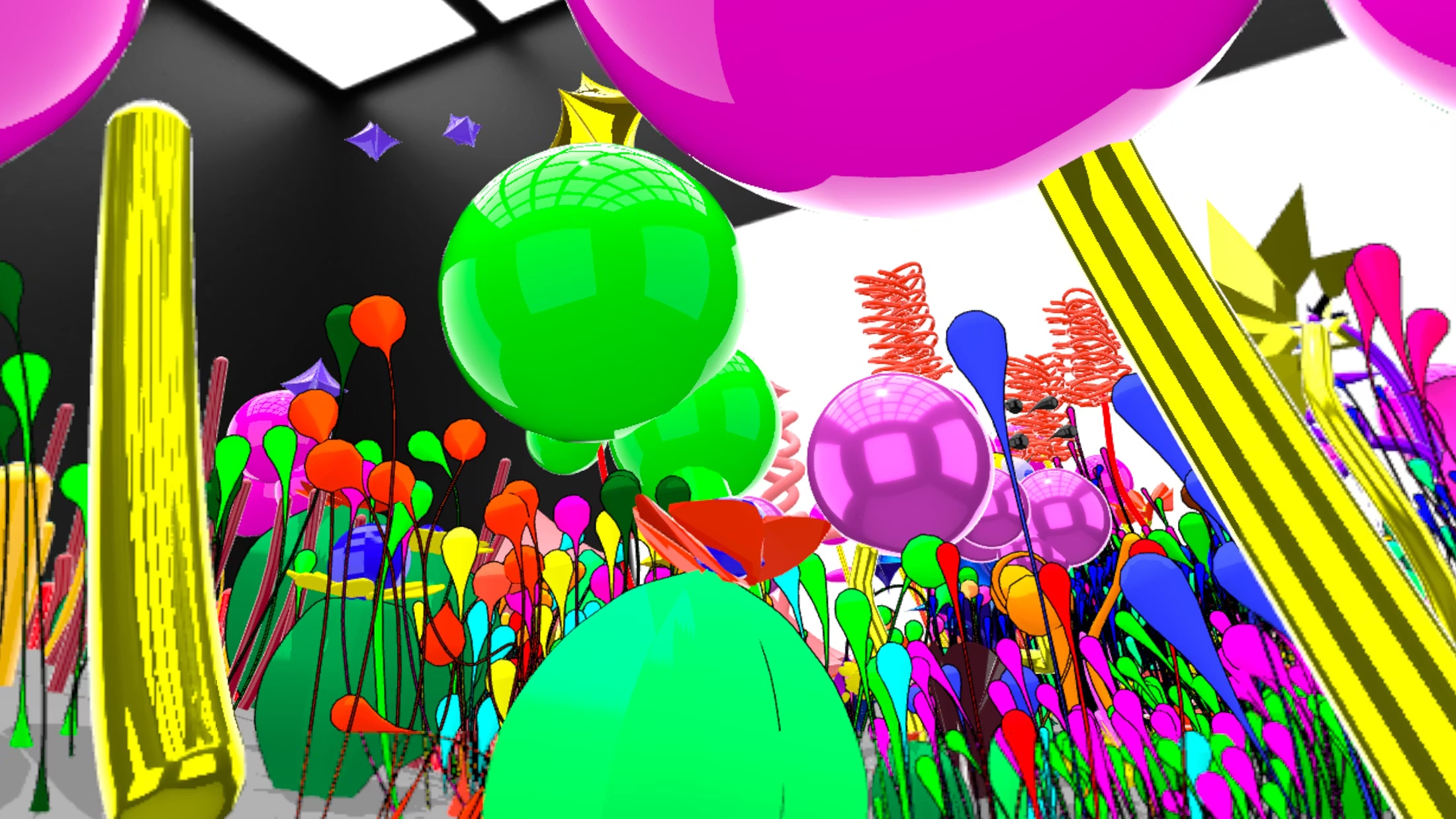
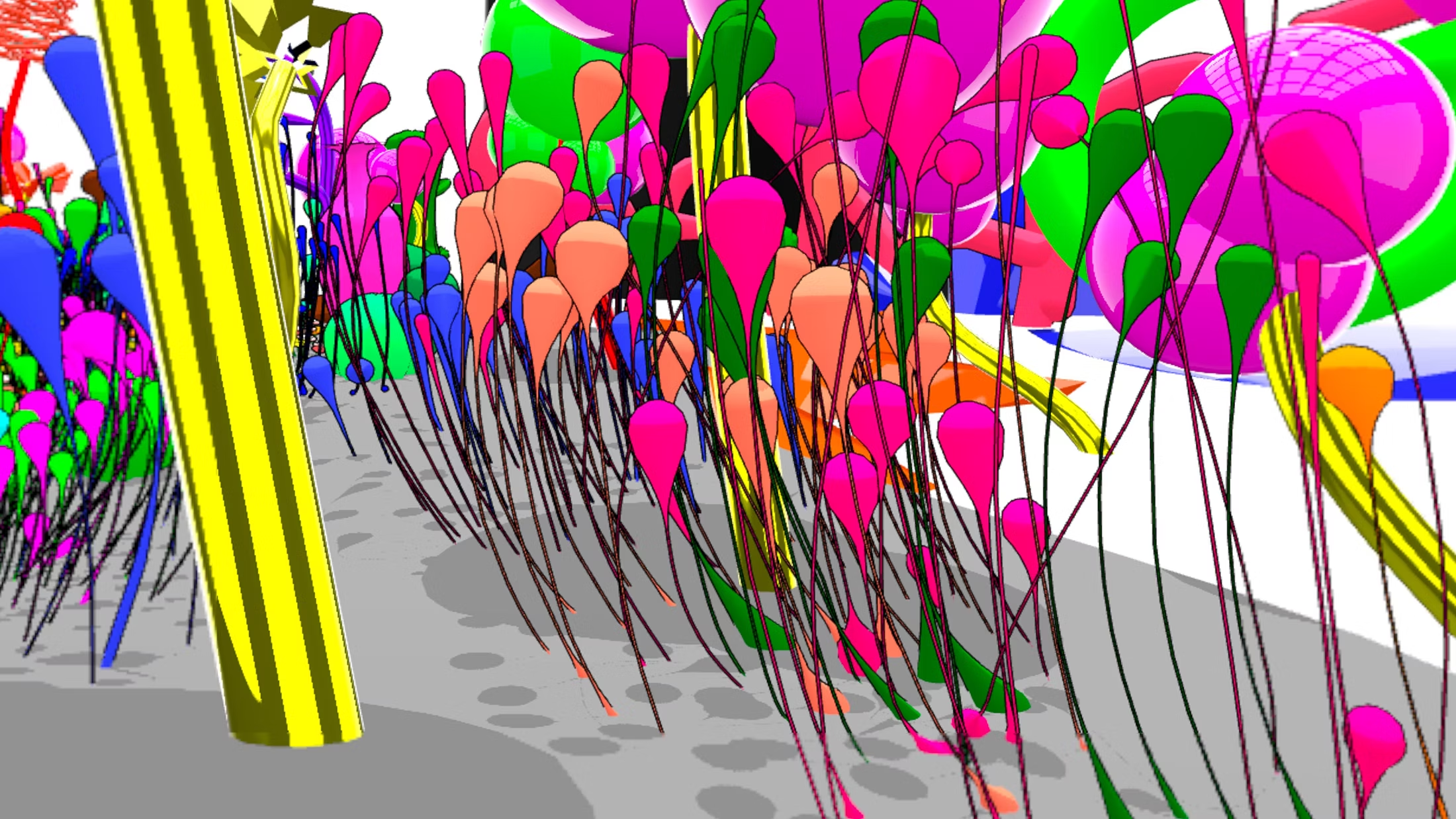
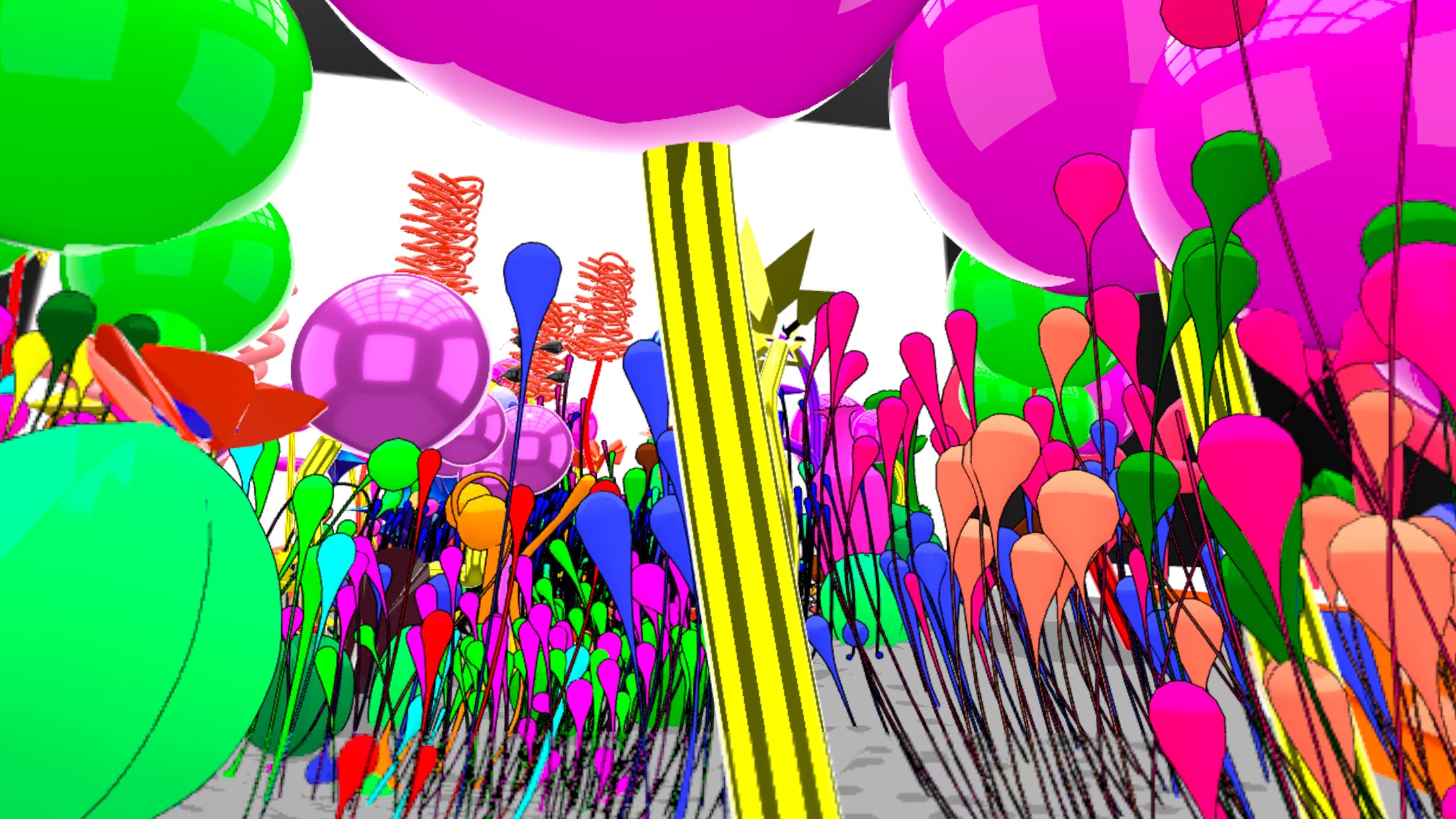
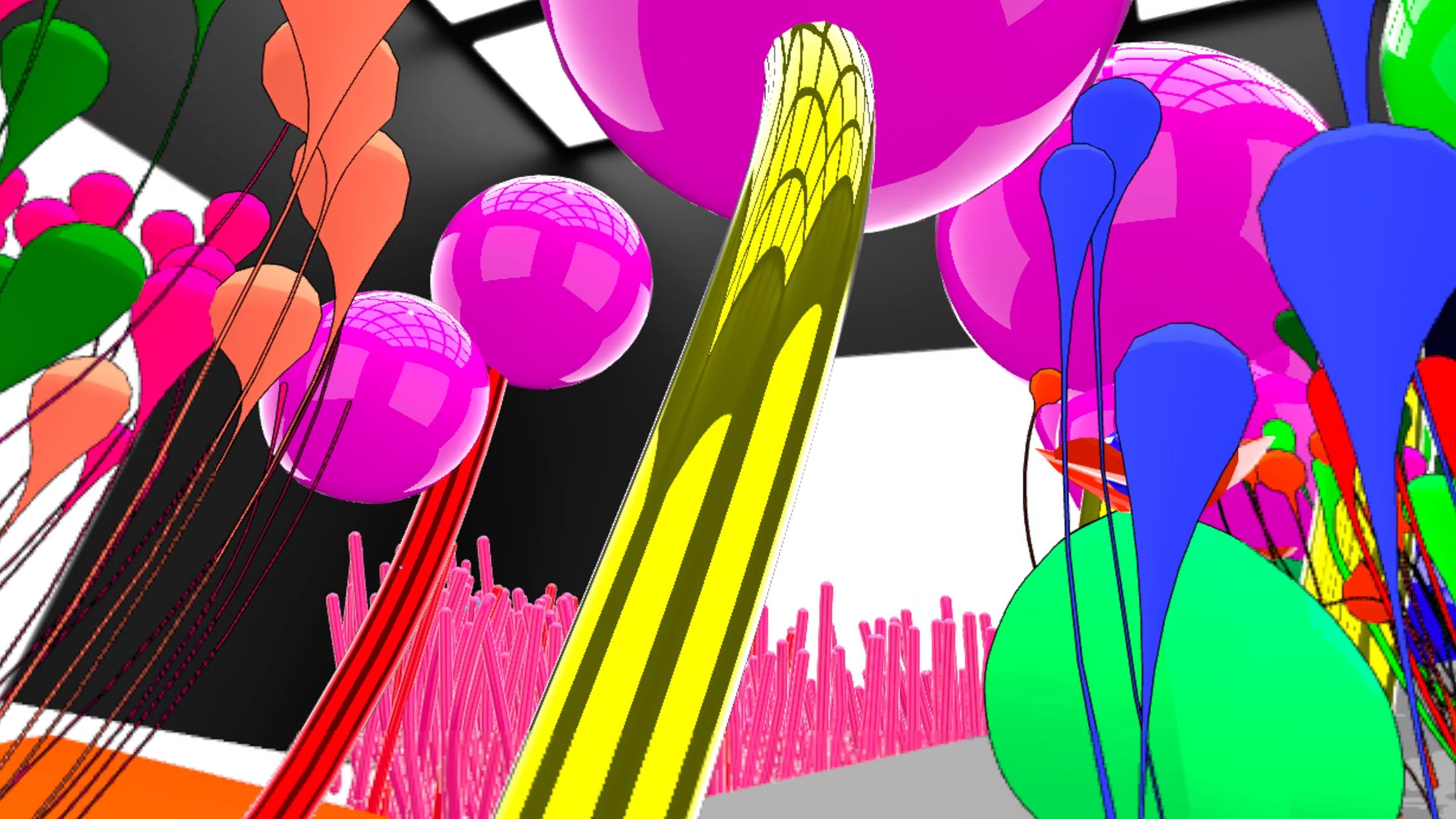
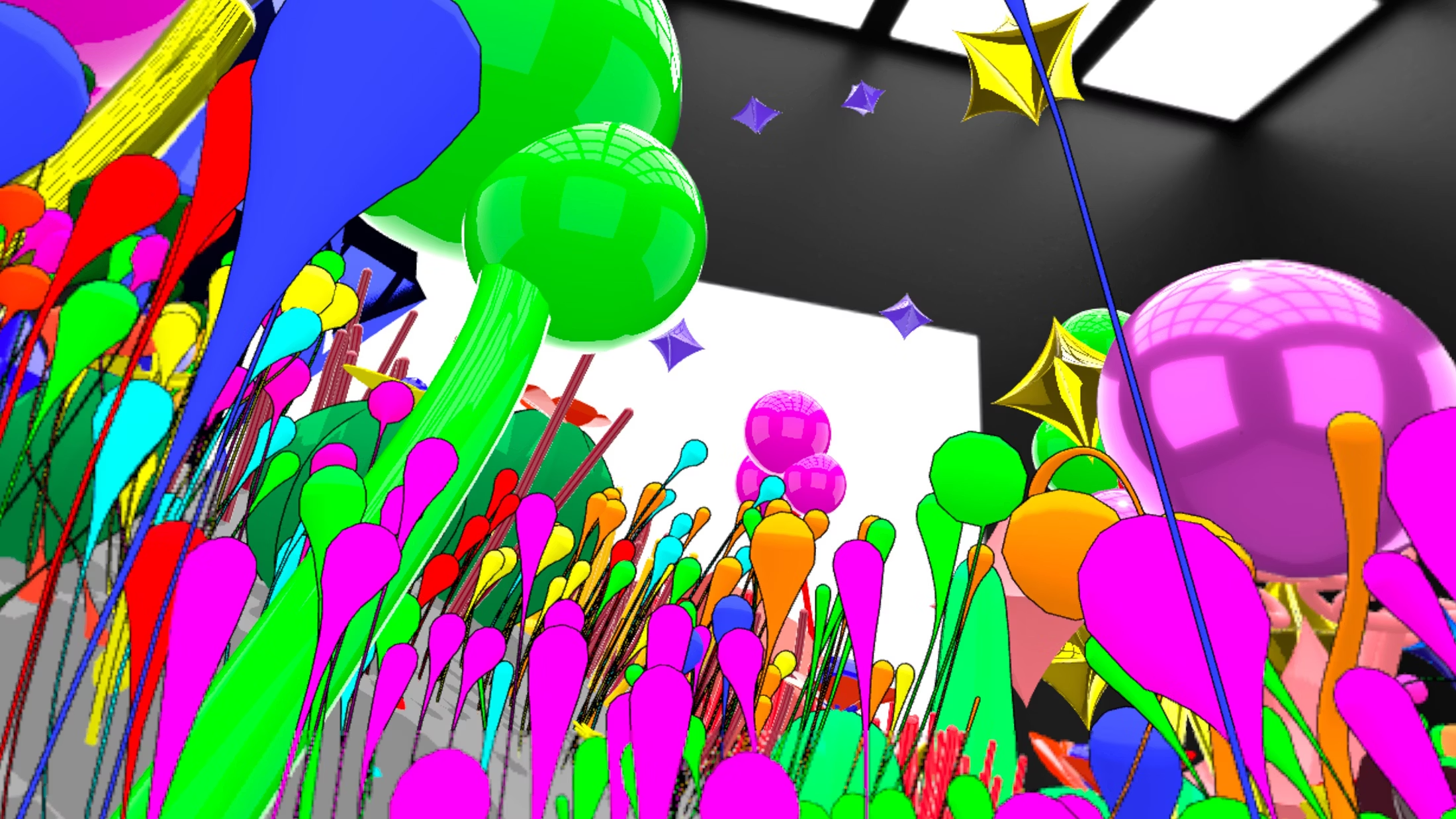
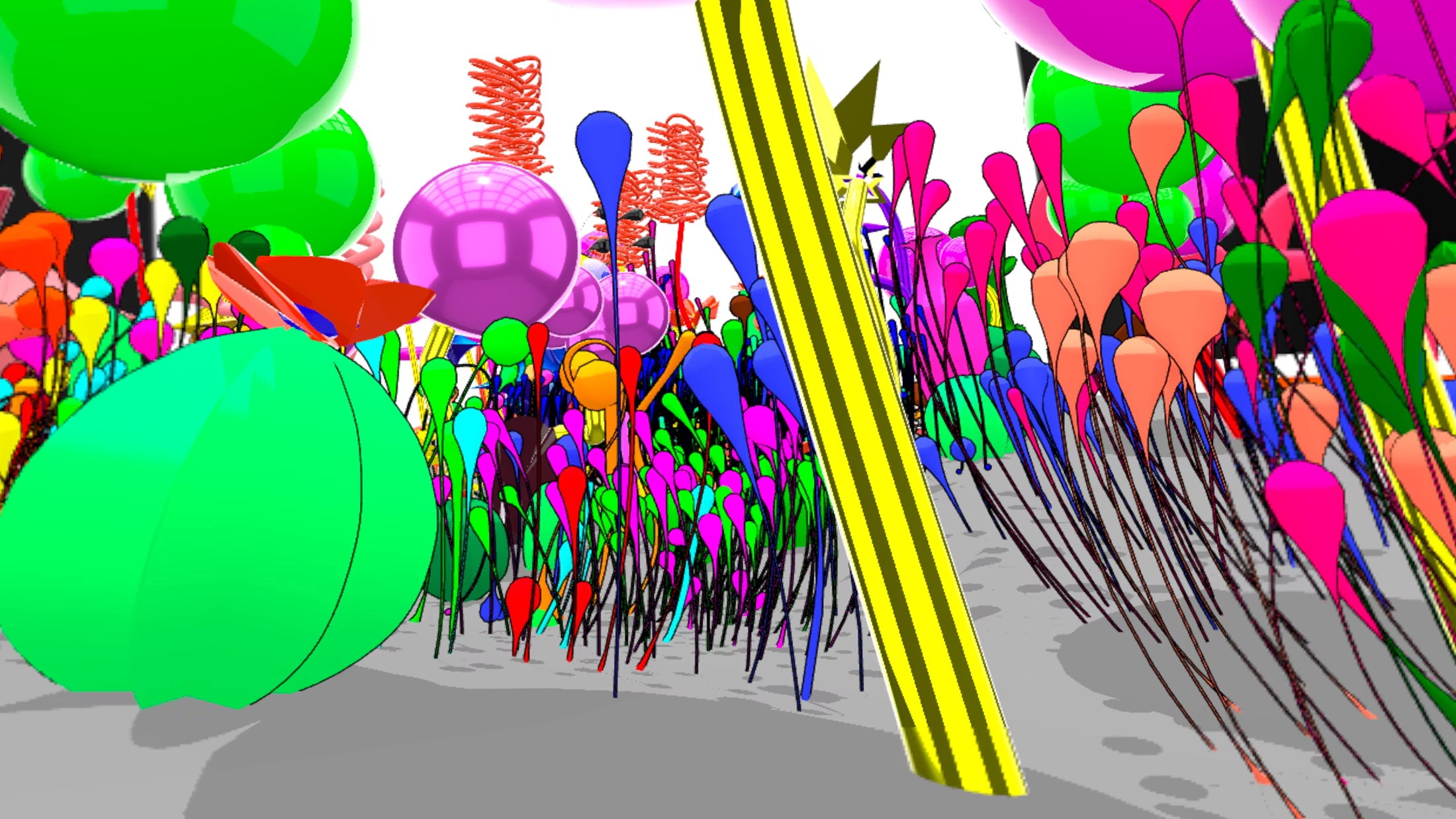
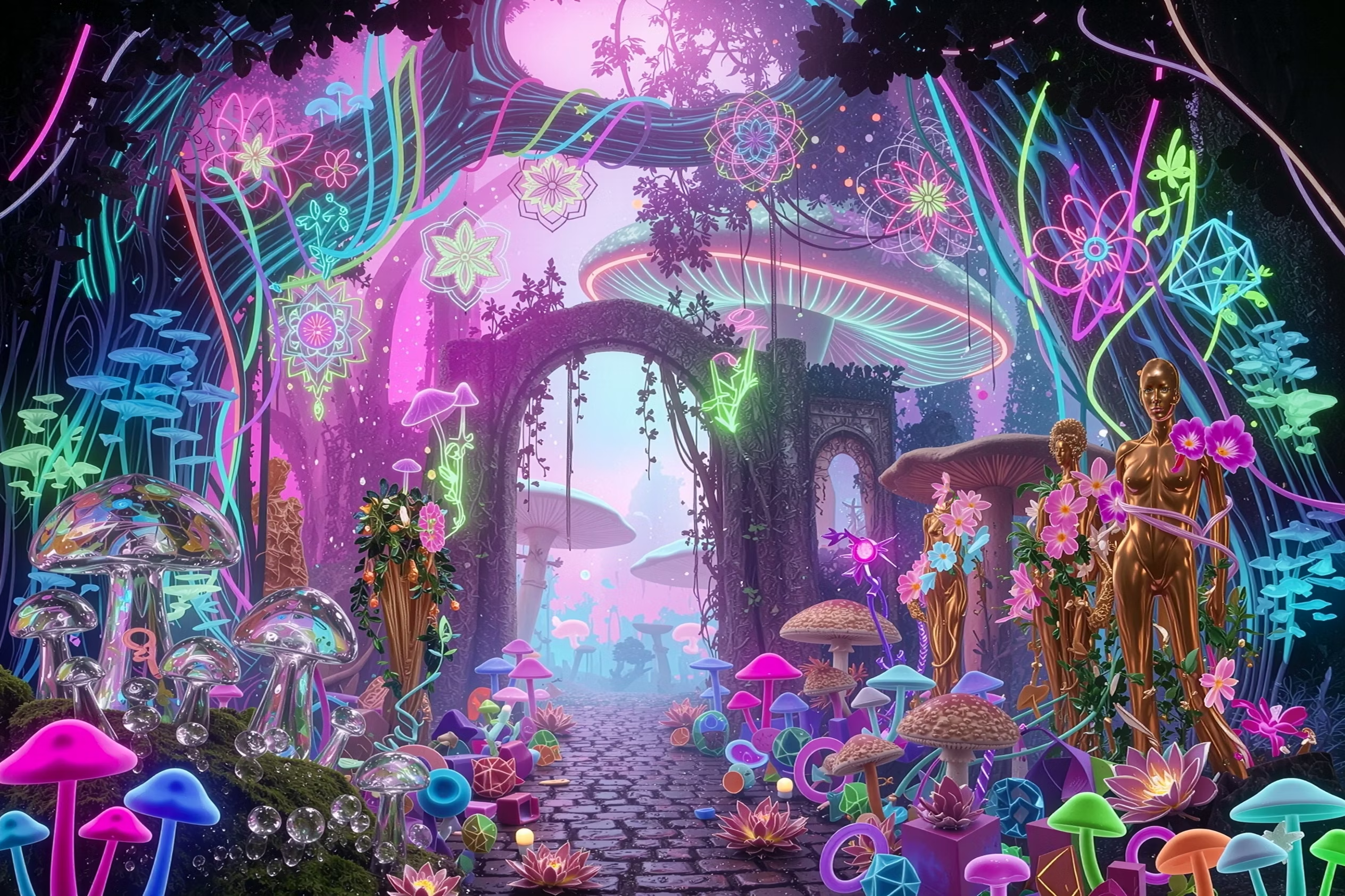
This video was created for the Google Creative Fellowship using Goole Vertex AI to generate an ethereal garden, an imagined ecosystem where neon plants and fungi glow with otherworldly life. The work explores how AI tools can be used to visualize a hyperrealistic space that could, with the right funding or investment, be translated into a physical installation built from LED‑lit inflatables and an immersive, walk‑through environment. The AI‑generated animation functions as both a speculative landscape and a proposal for a future experiential space, merging world‑building, environmental design, and emerging technology. Portions of the animation are also envisioned as a virtual world that audiences could explore through a headset‑based experience.
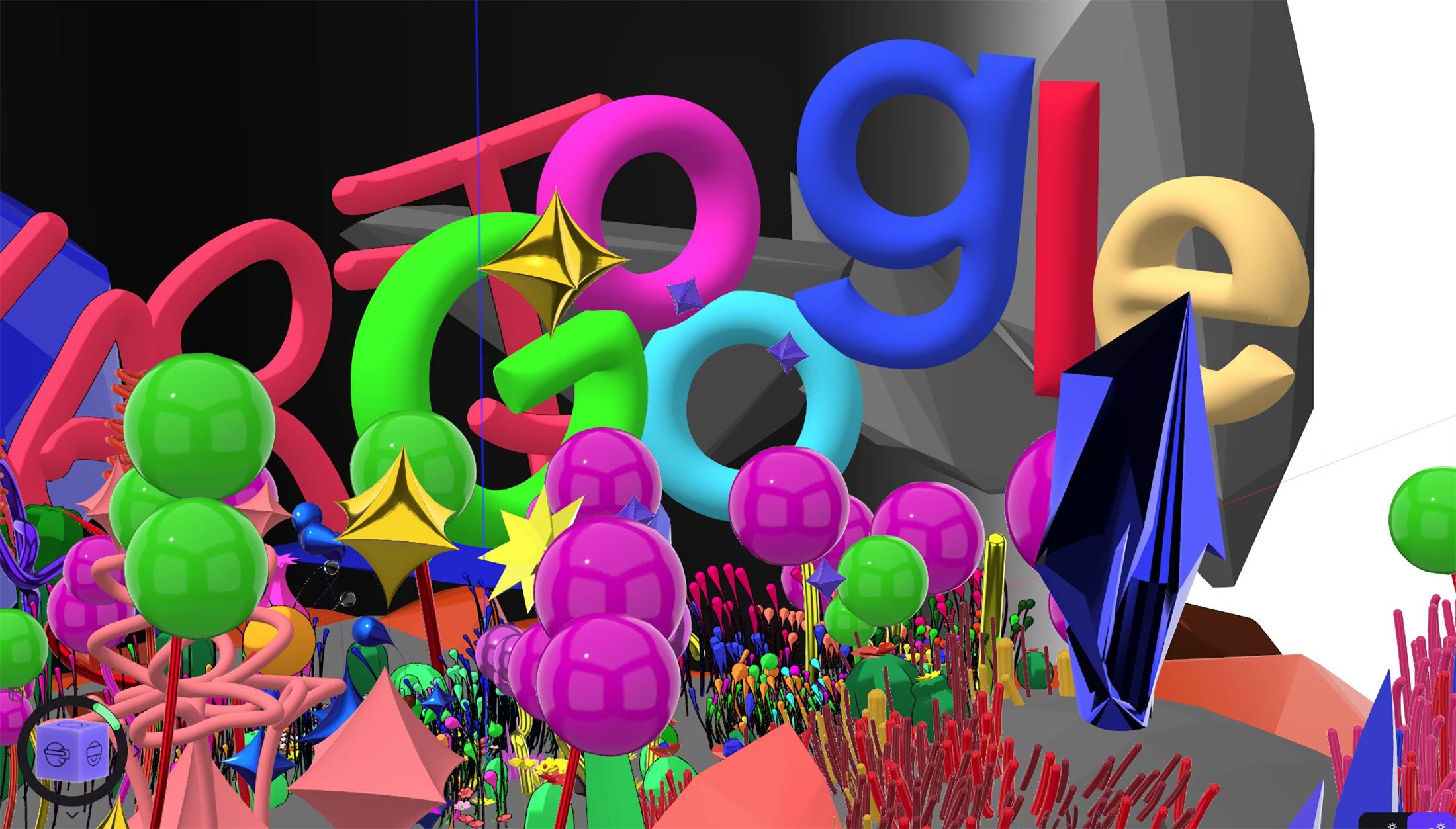
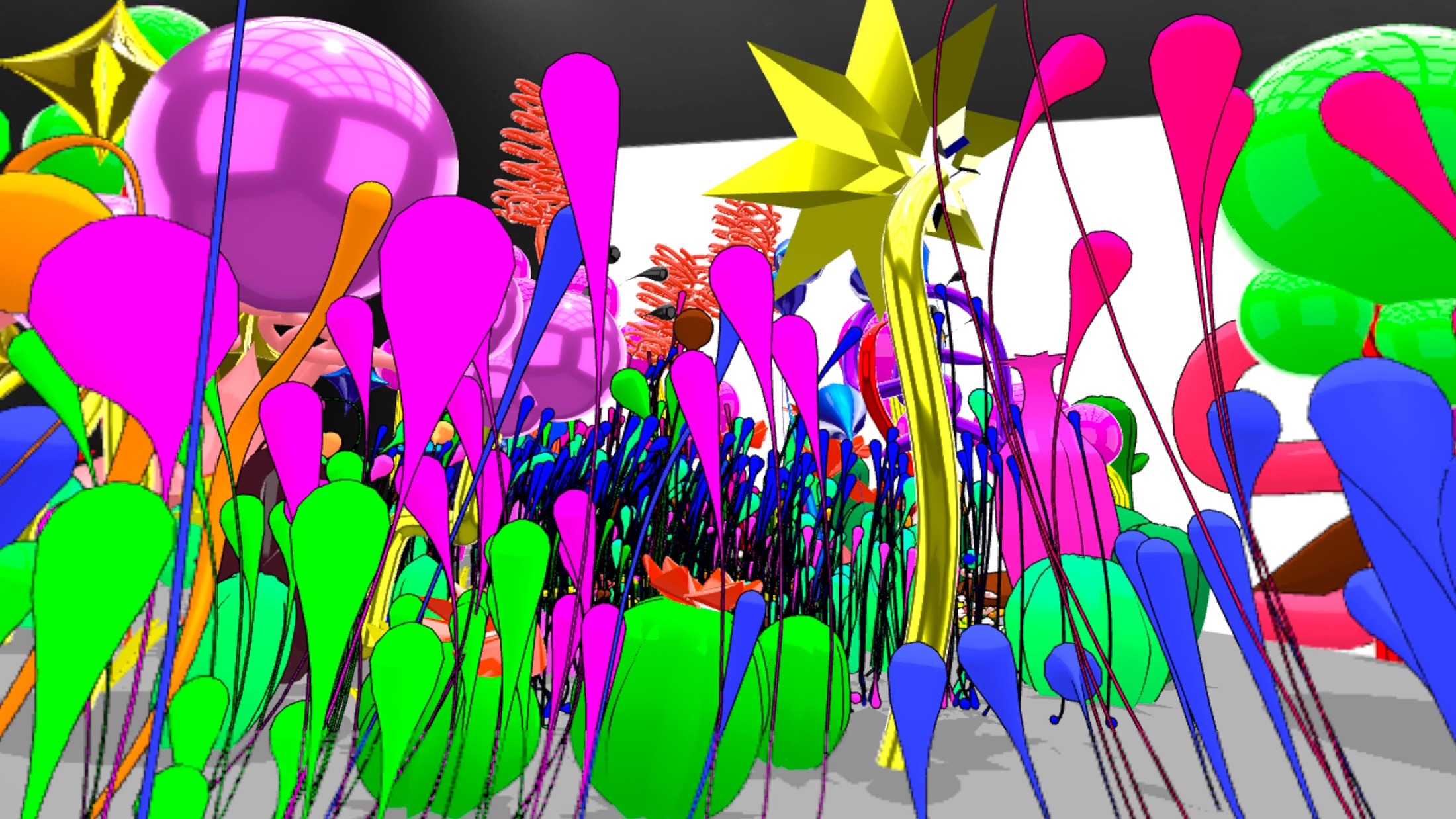
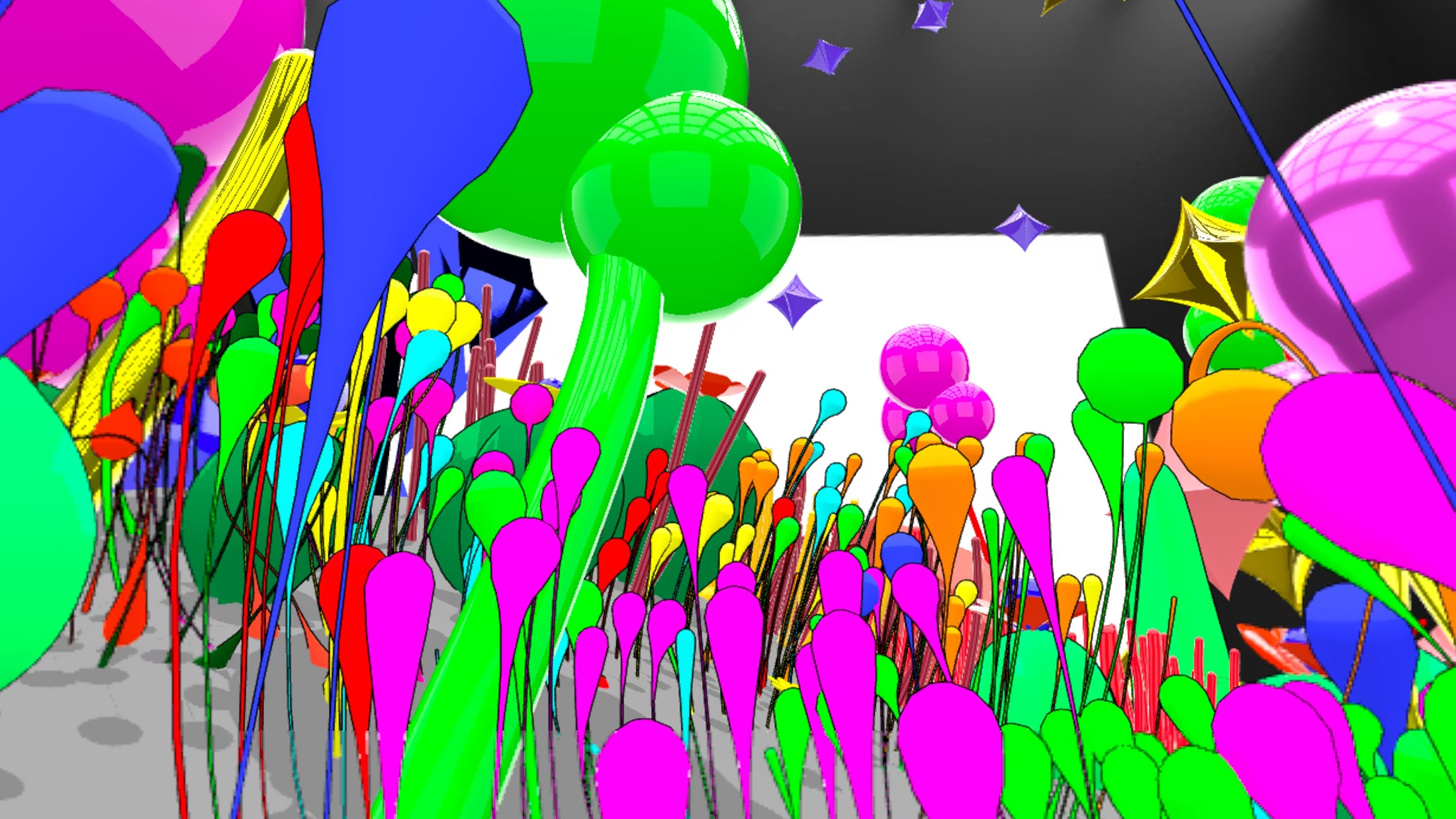
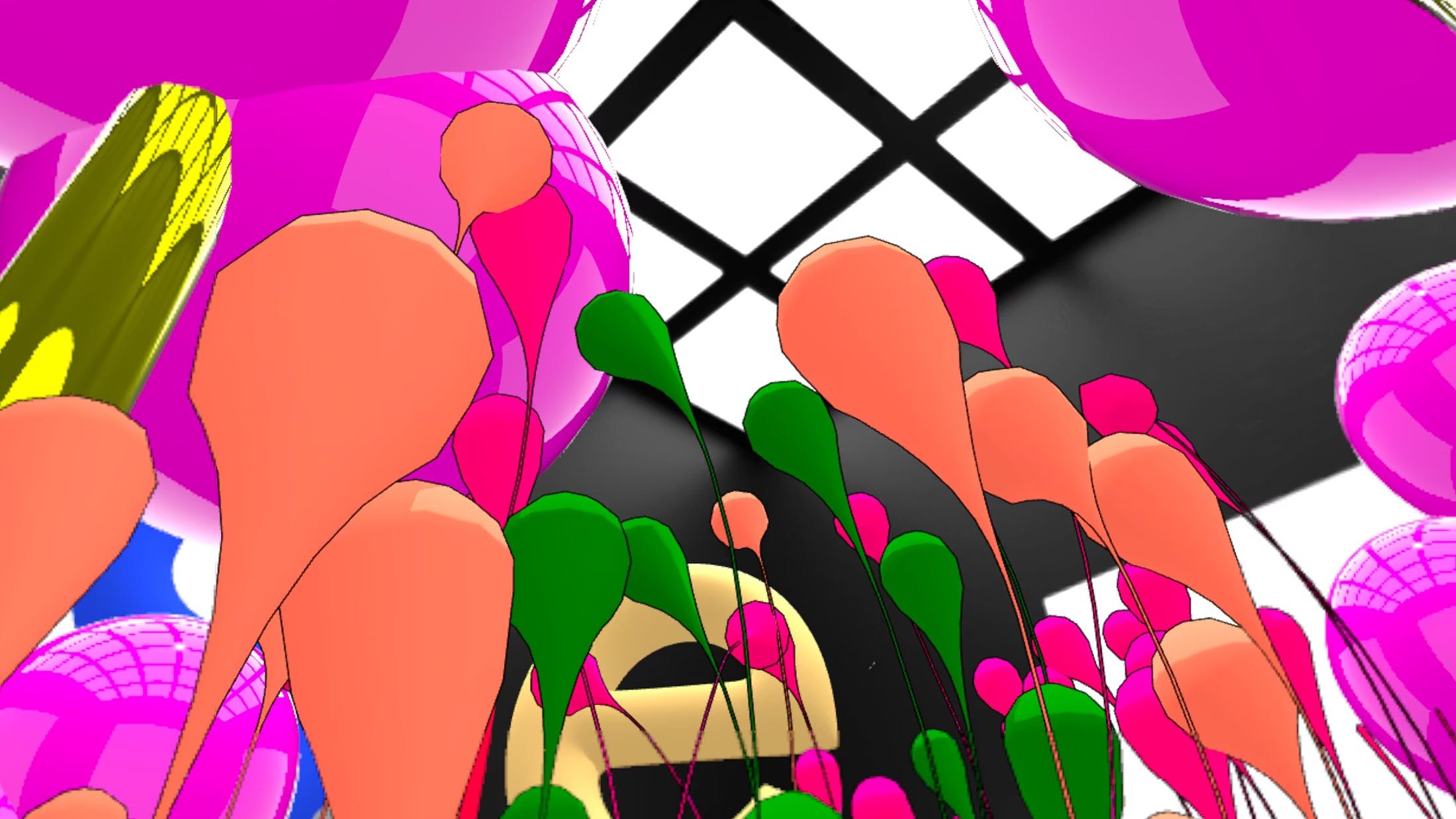
This virtual neon garden is one of my experiential designs and world‑building projects. I meticulously craft each 3D object, place elements with care, and envision developing an animated version that audiences could explore through a VR headset, experiencing the garden as a vivid, ethereal environment.
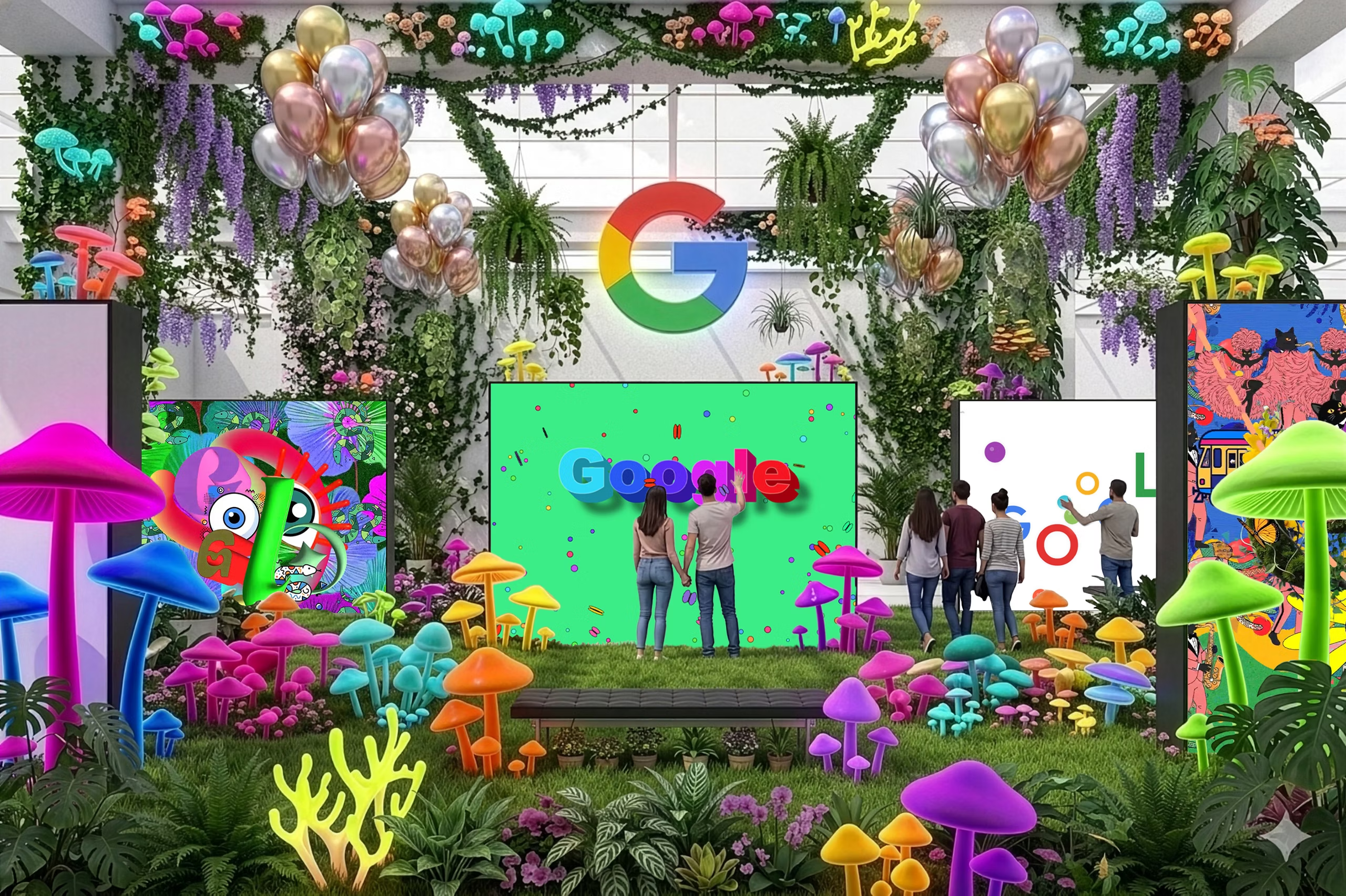
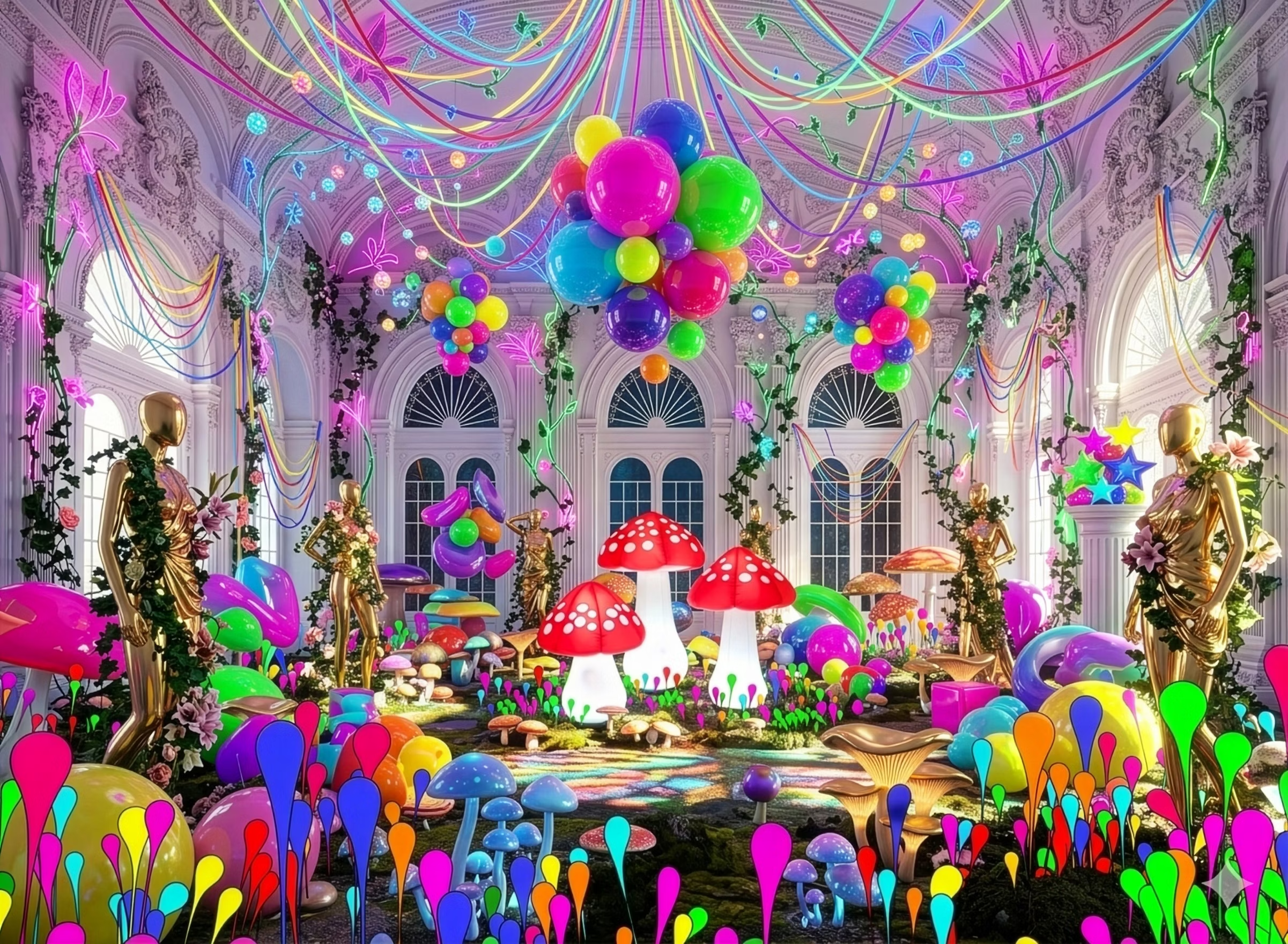
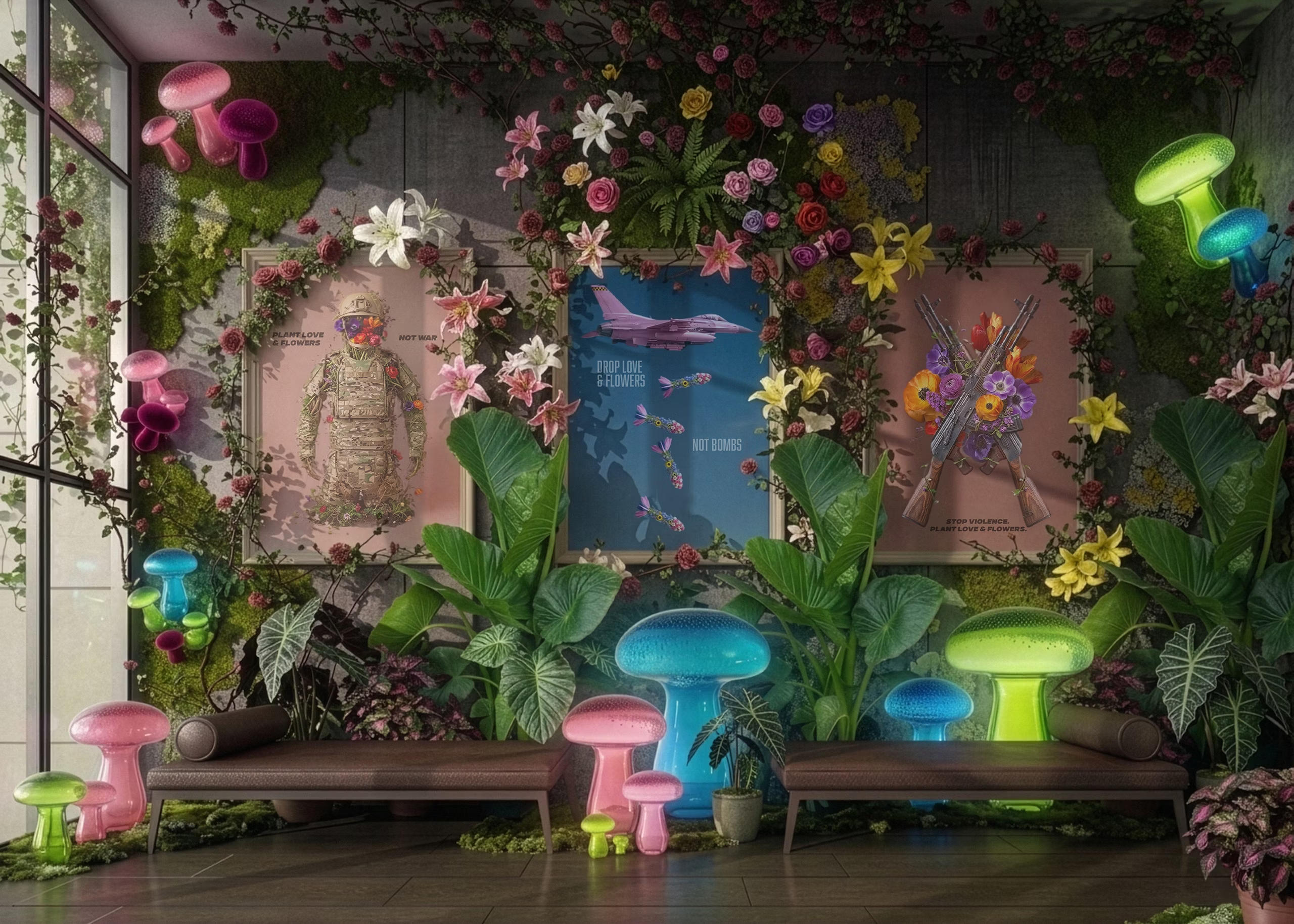
This mockup of a neon bioluminescent garden reflects my passion for experiential design and world‑building in white‑box spaces and hall‑scale environments. I use Google Gemini to generate objects based on my own images and designs, then meticulously place and refine each 3D element. I’m envisioning an animated version that audiences could explore through a VR headset, experiencing the garden as a vivid, ethereal environment.
Inspired by immersive experience centers (TeamLab Borderless, Superblue, Meow Wolf), this visualization helps me continue developing the space toward a real‑life setting, inviting audiences to fully immerse themselves in it. Interactive installations, motion‑graphics videos, and other multimedia elements can all be integrated into this environment.
While presented here as digital works, these motion-graphics pieces are designed for spatial integration. They serve as foundations for interactive media and physical installations, components of a larger 'total work of art.' In this unified system, every piece is an essential layer, working in concert to amplify the atmosphere and narrative of the whole.
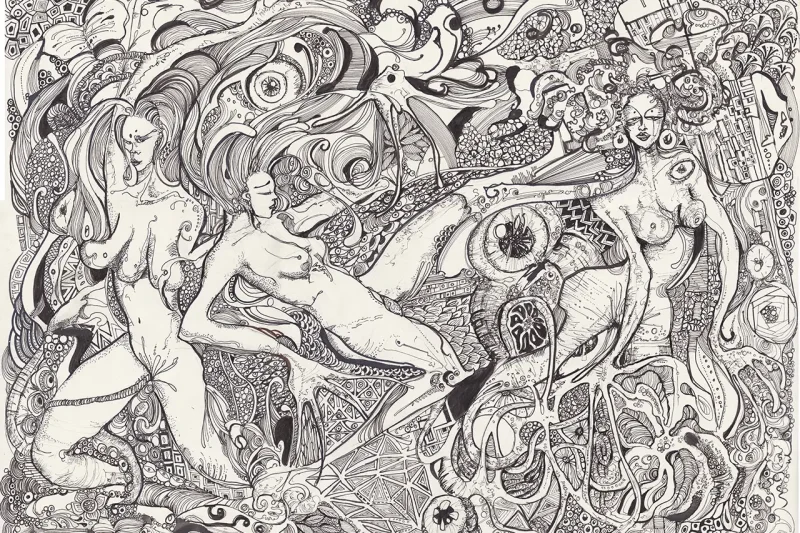
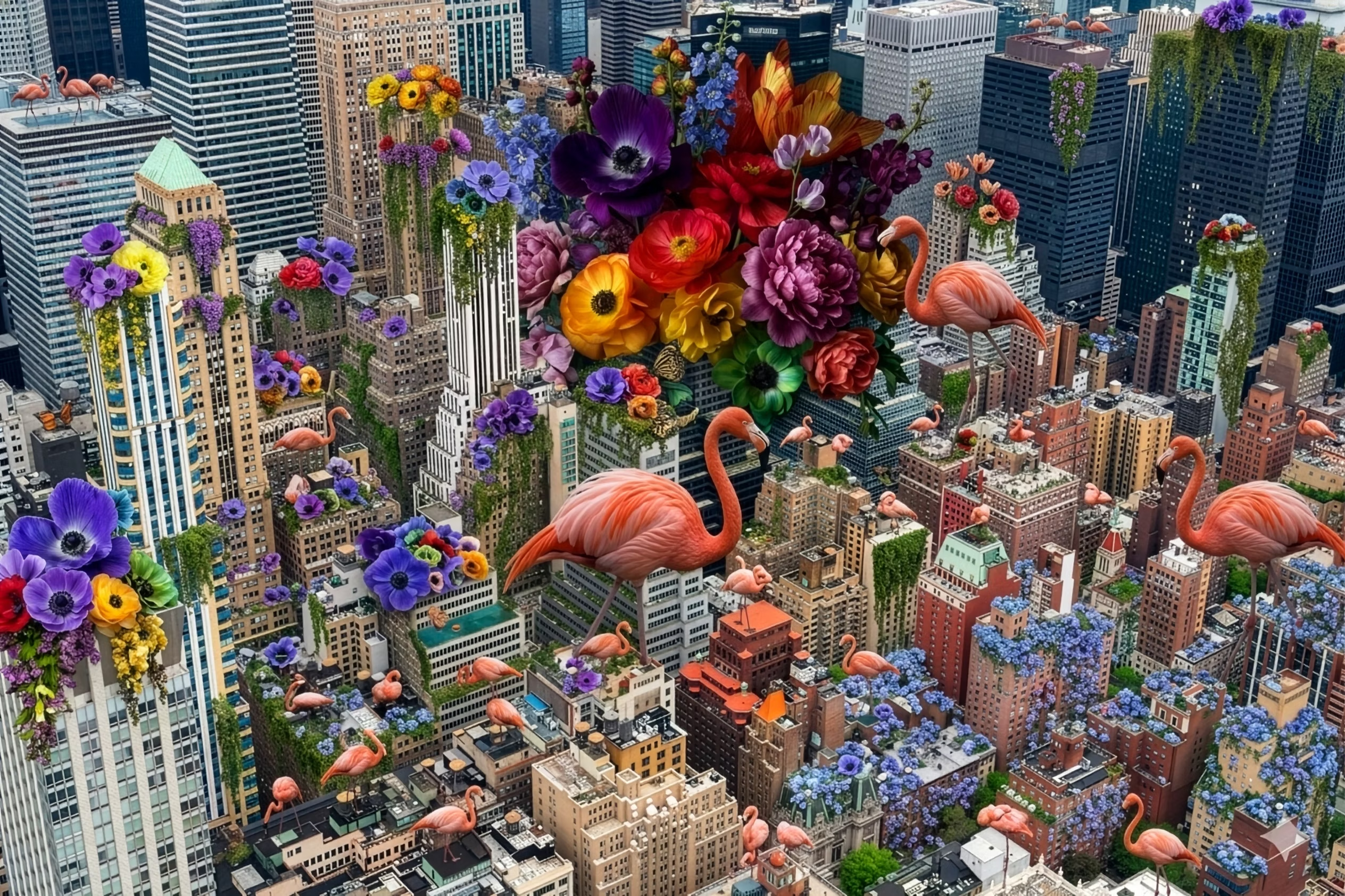
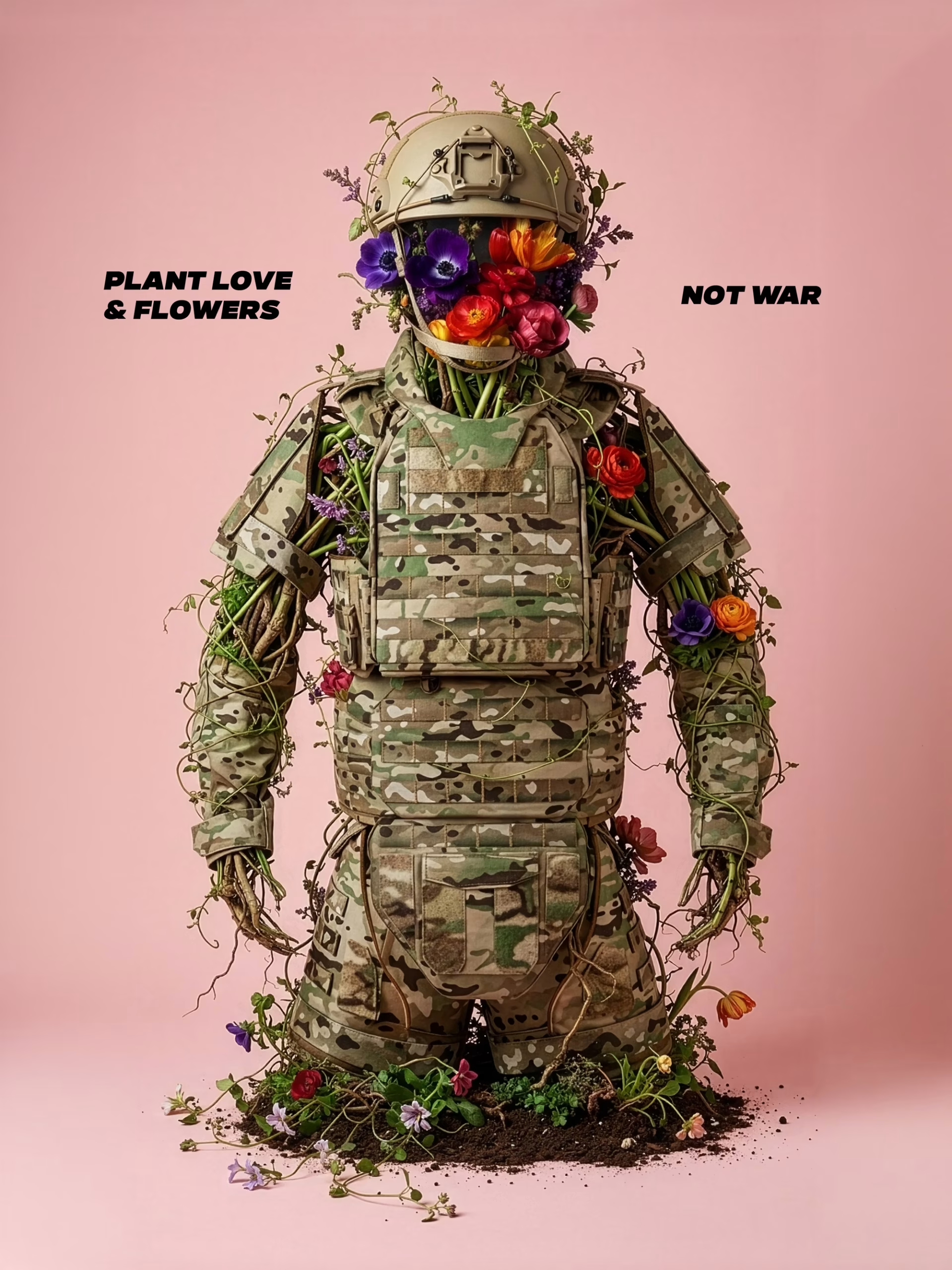
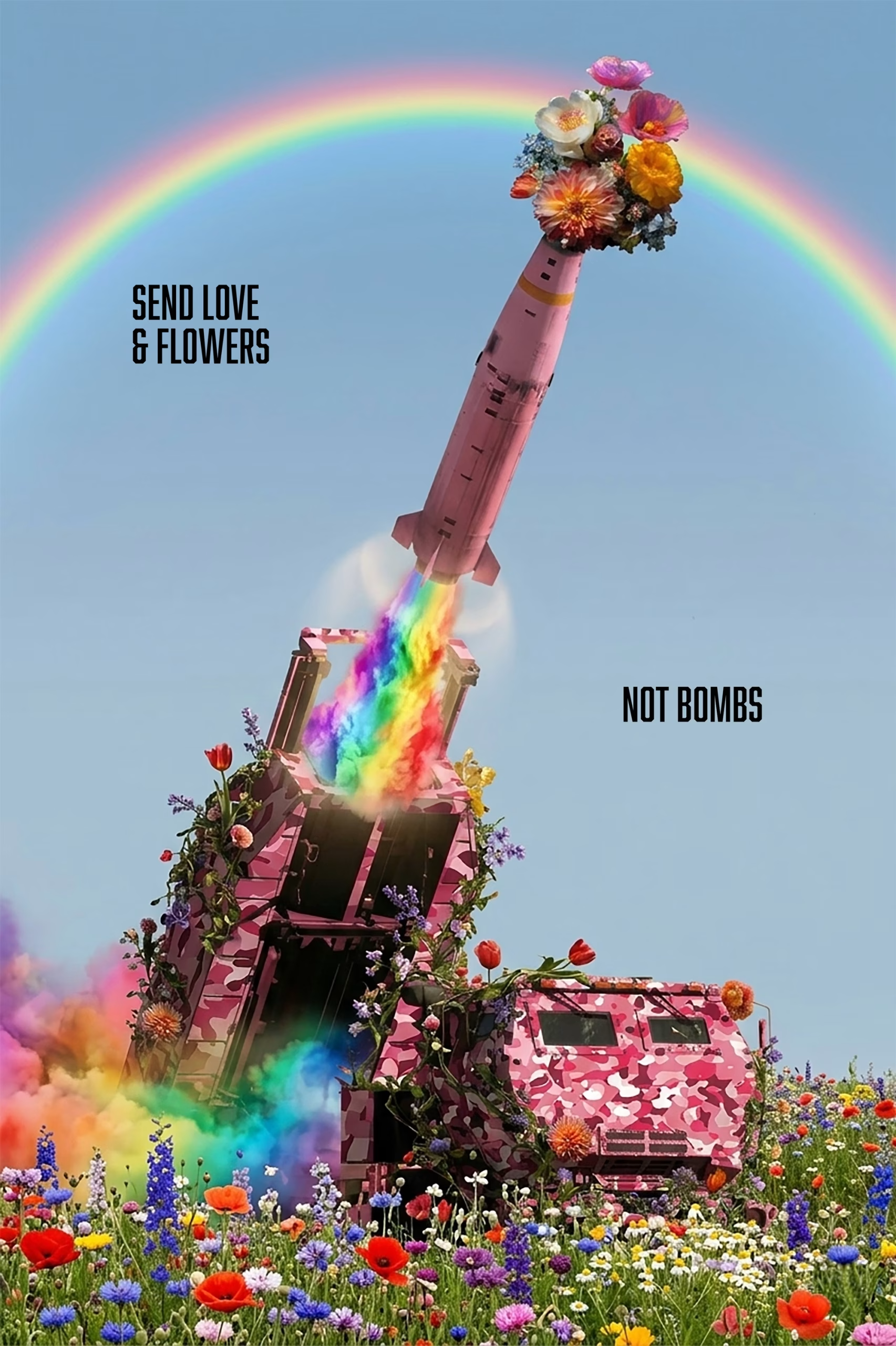
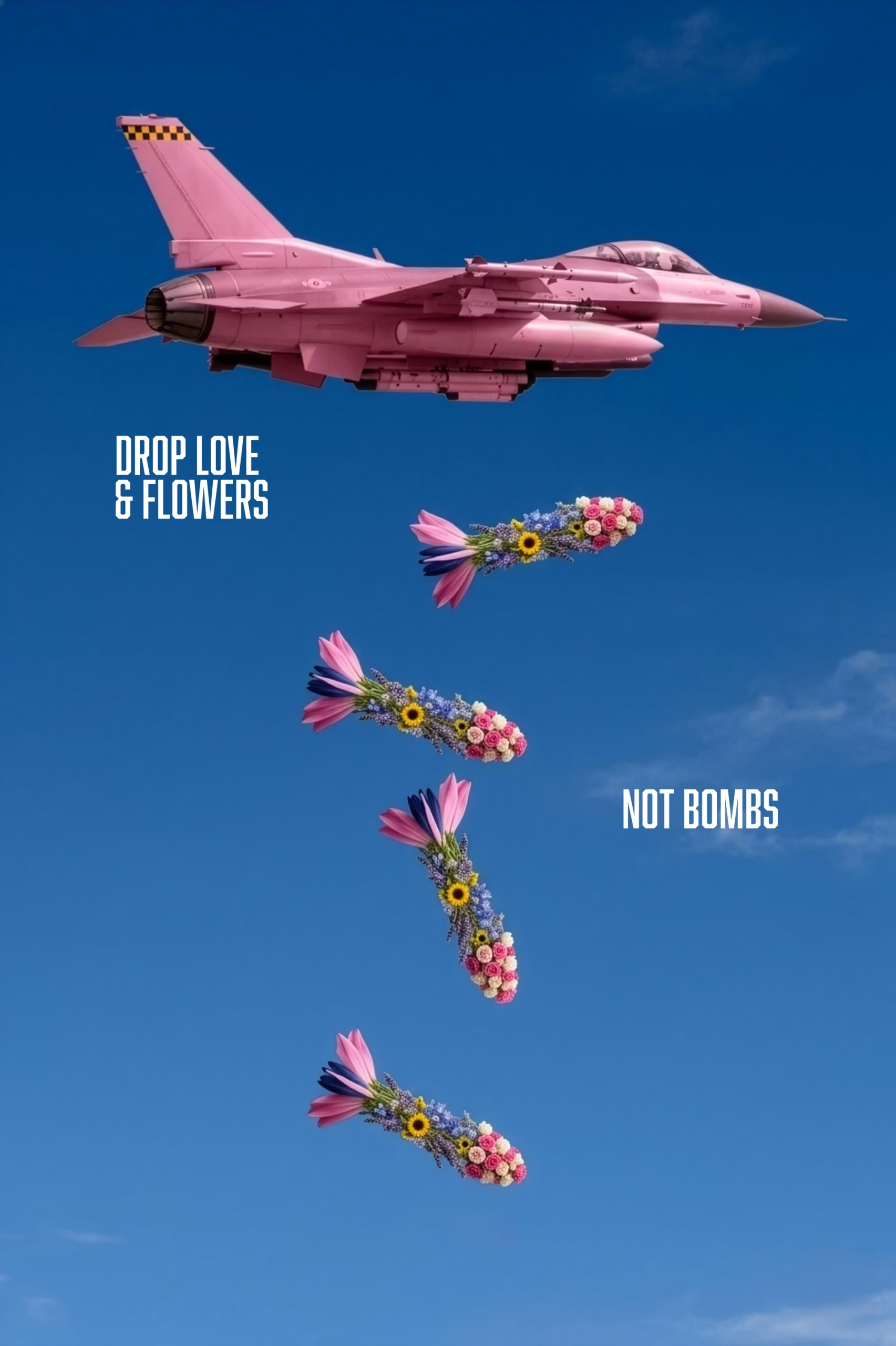
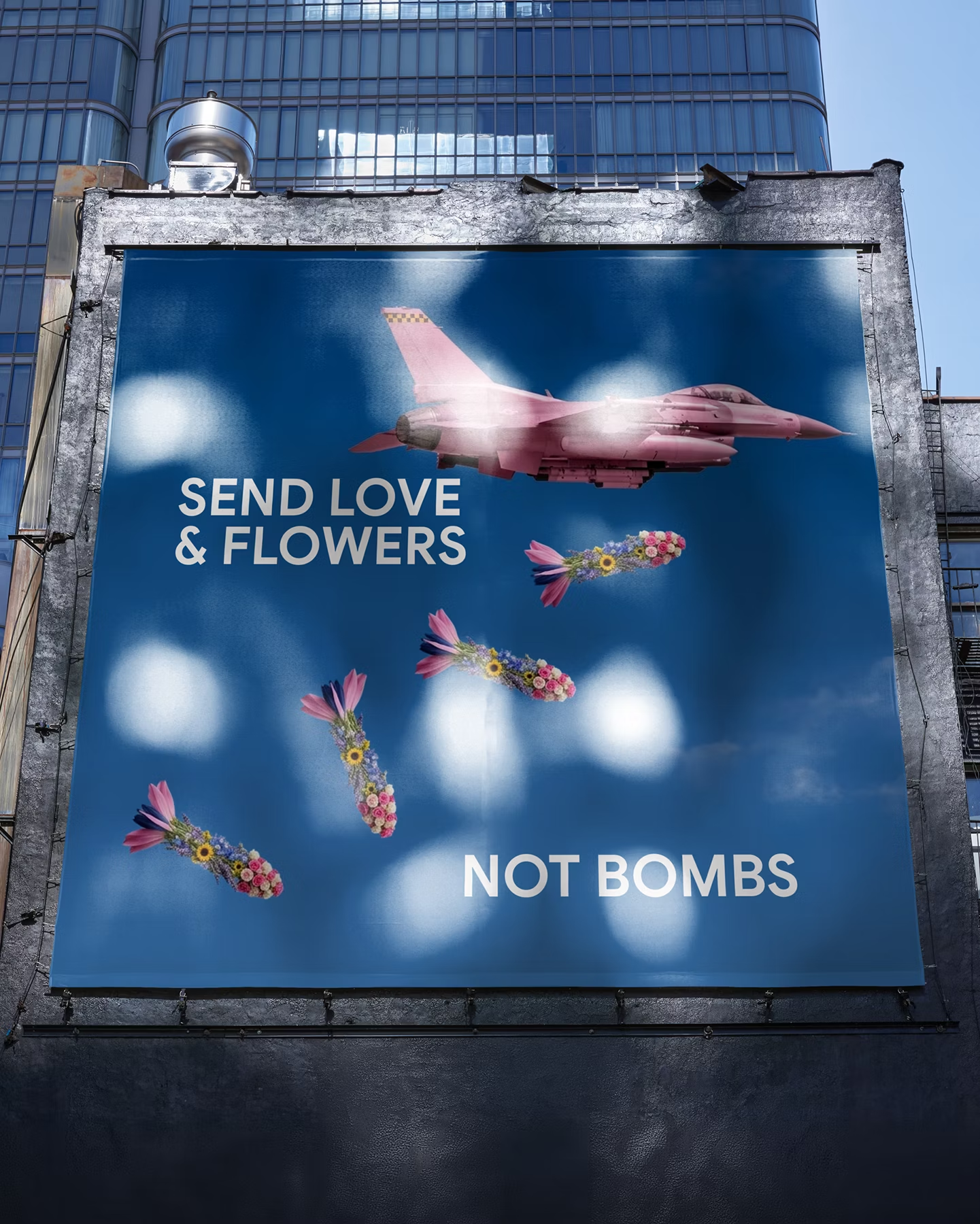
My work in collage has evolved over the years into an intricate, multi-layered practice that now includes motion and animation. I view photomontage as a gateway to the subconscious, a way to invite viewers from all backgrounds to connect and find their own narrative where they can shape their own experience through dense layers of imagery. This particular piece is part of an ongoing non-violence campaign developed in response to the complexities of our time. It is not intended to provoke, but to serve as a quiet, crucial reminder of our collective need for love, care, and compassion.


These collages were produced by generating composite imagery with Gemini AI. I then brought the outputs into Photoshop, integrating found images and refining the compositions through detailed editing and manual adjustments.
'Send Love & Flowers, Not Bombs' is an ongoing project within The World We Could Build — Love Not Violence, a multi‑media campaign exploring themes of non‑violence, love, and collective care. Through illustration, posters, motion graphics, and interactive media, the project imagines bright futures where love and positive energy interrupt violence and connection replaces conflict. Each piece stands on its own, yet together they form a unified visual language that invites viewers to reflect, feel, and envision a world built on compassion rather than harm.


Mail Me!