


Sakarit is a Graphic Designer & Visual Artist, based in Brooklyn, NYC
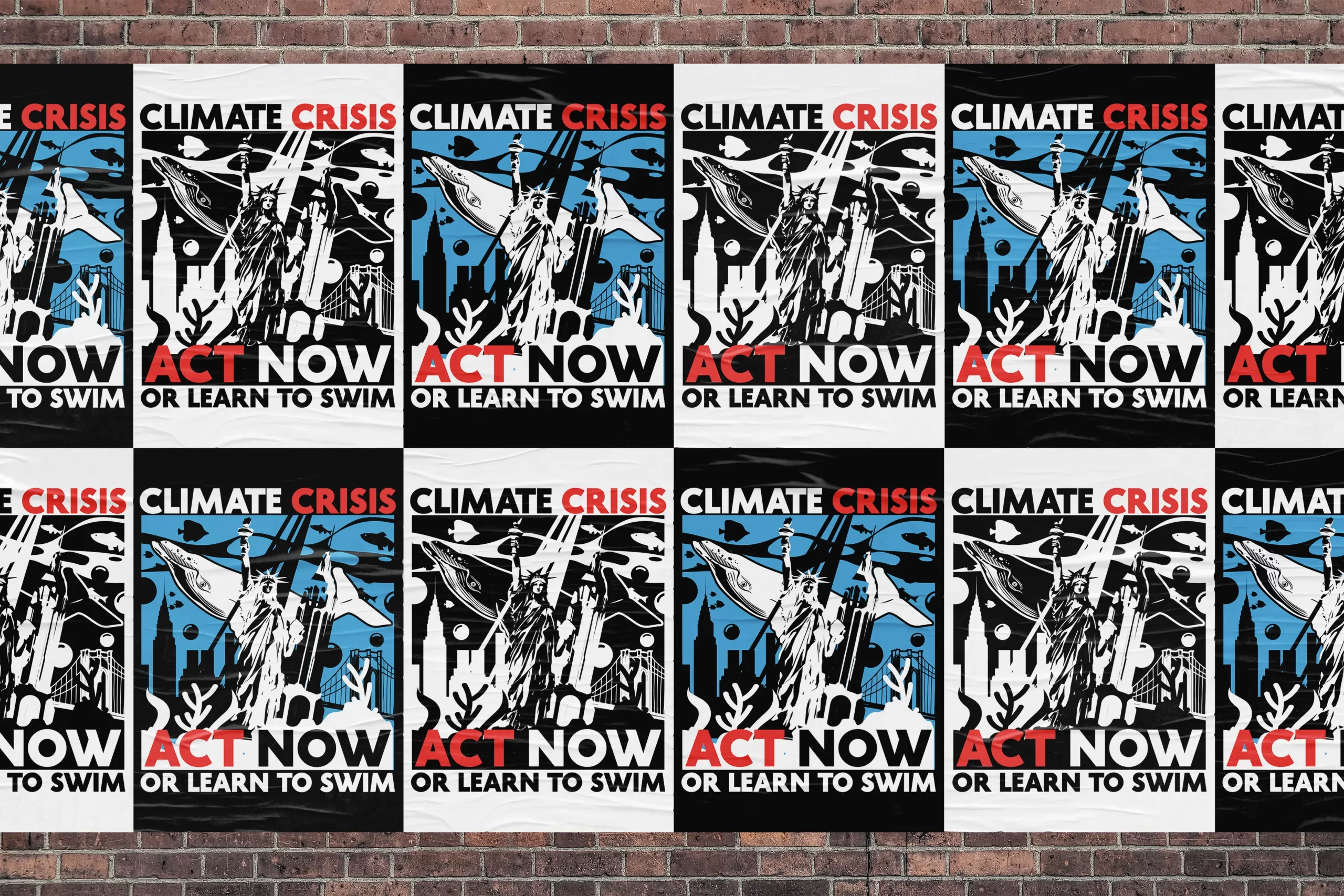
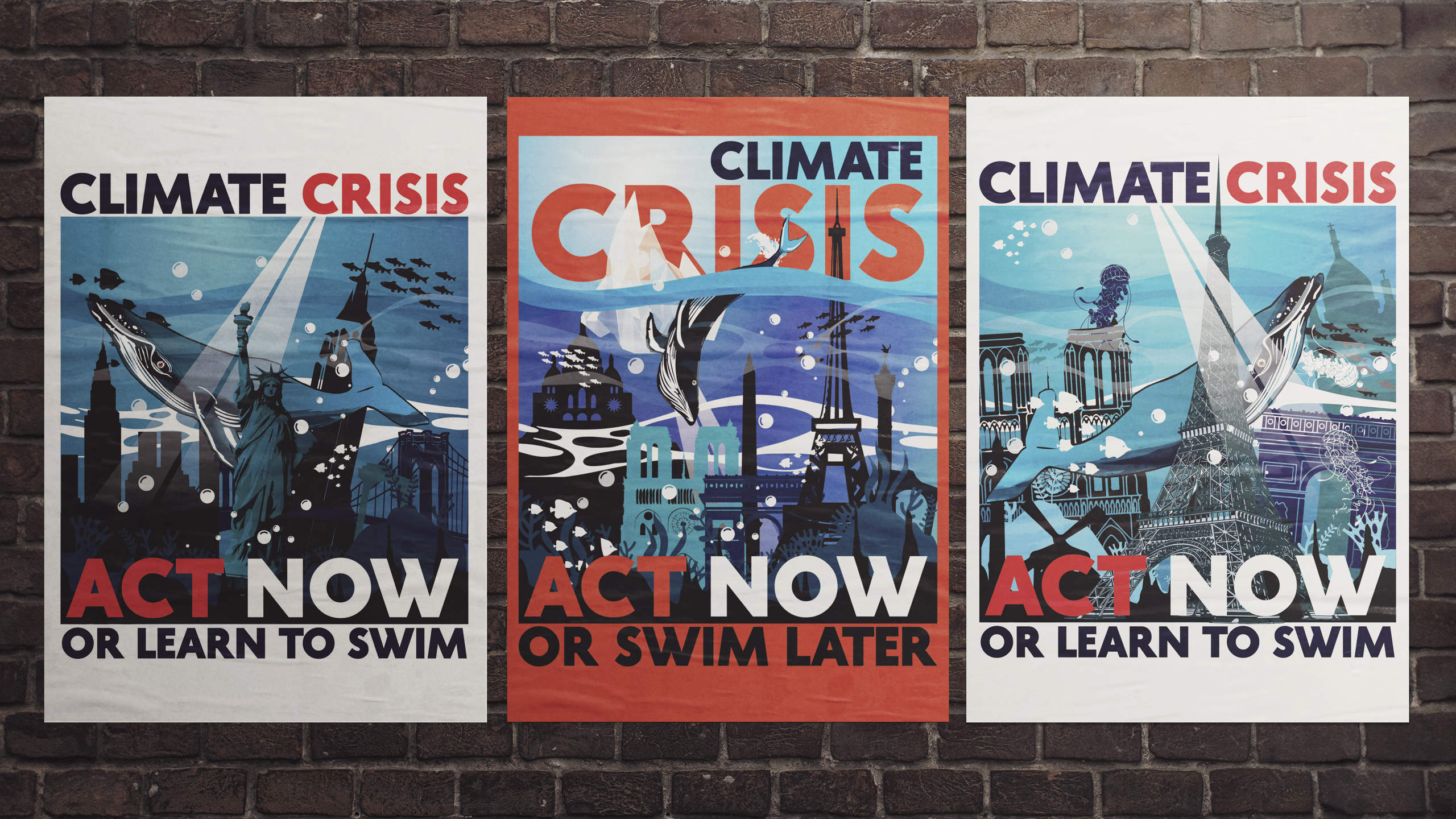
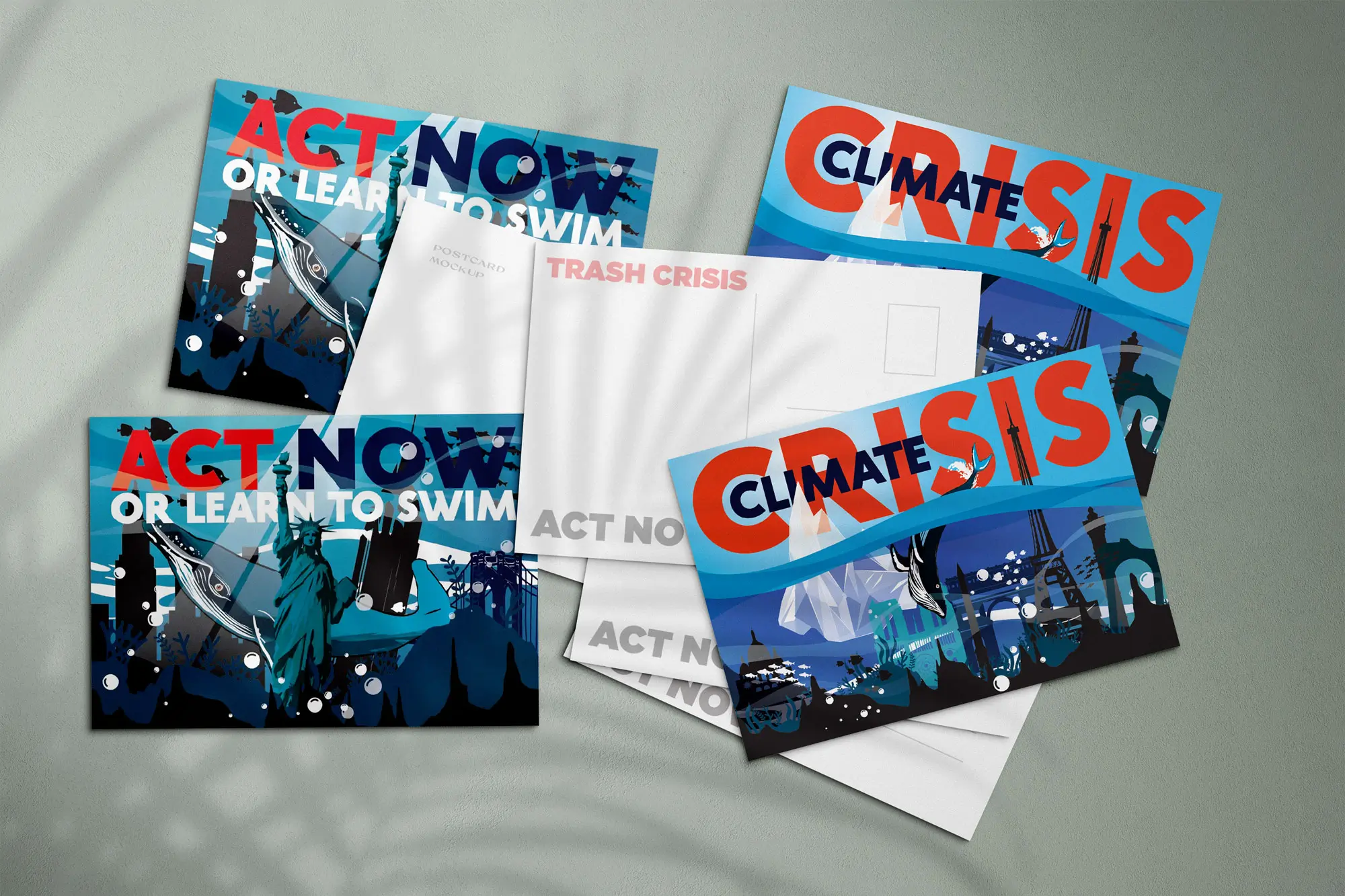
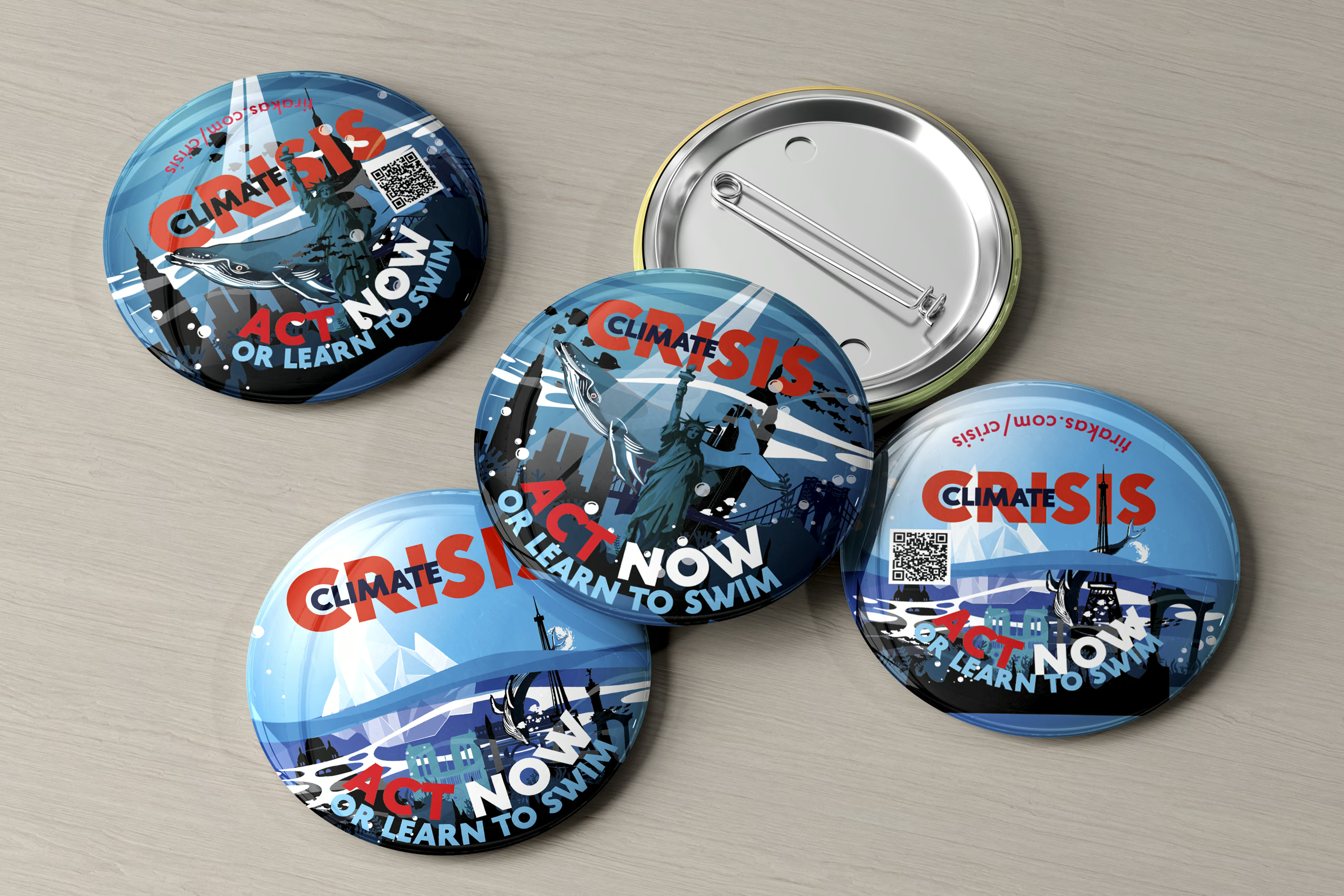
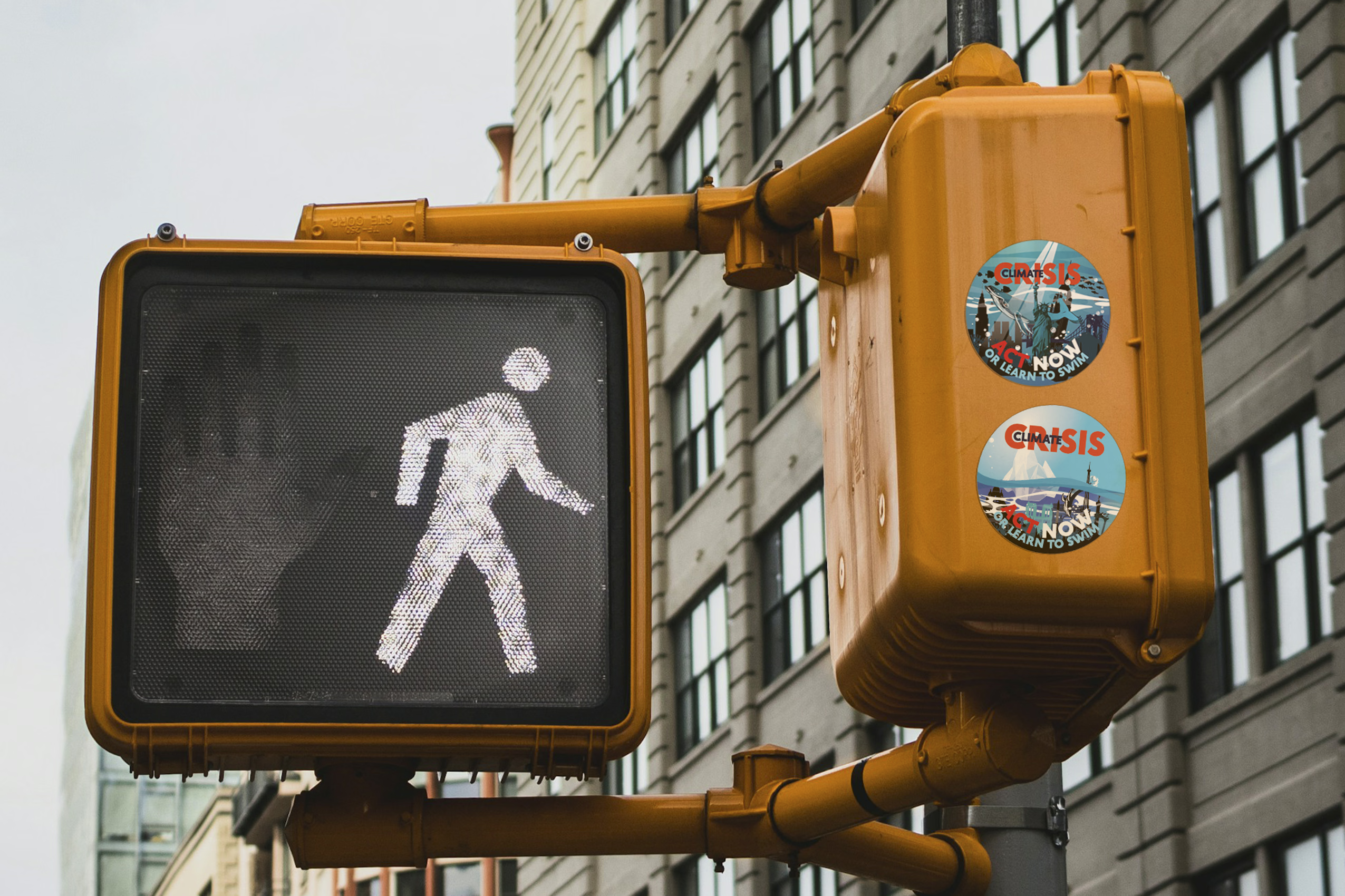
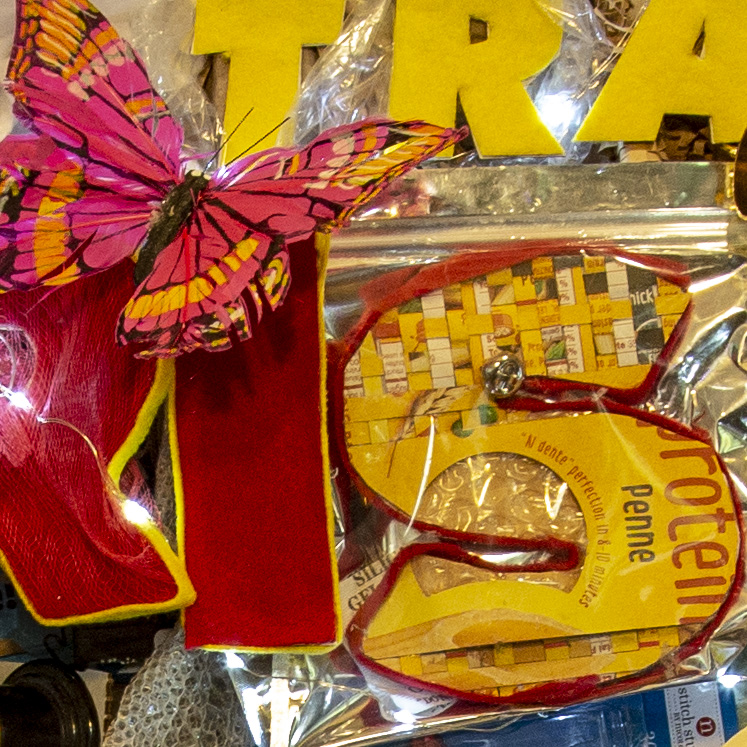
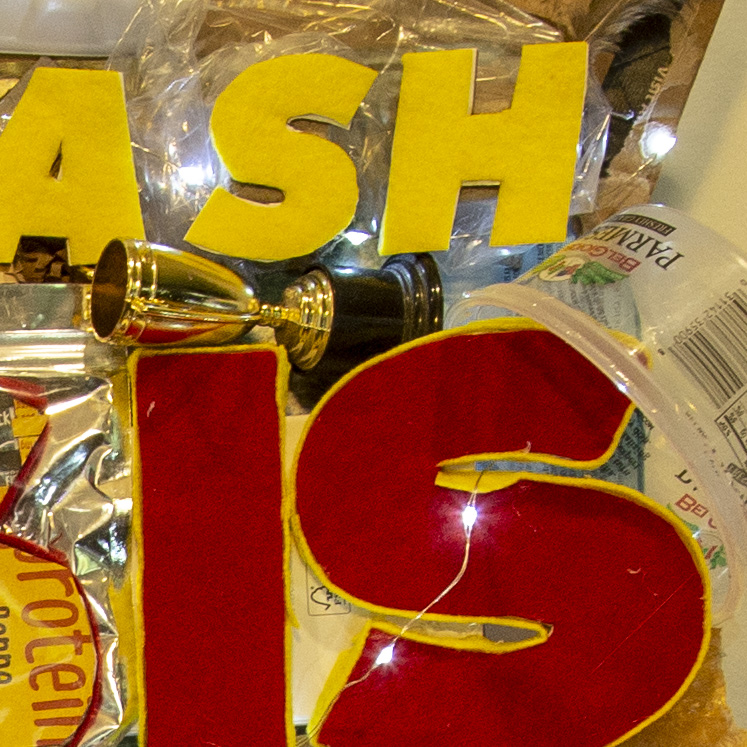
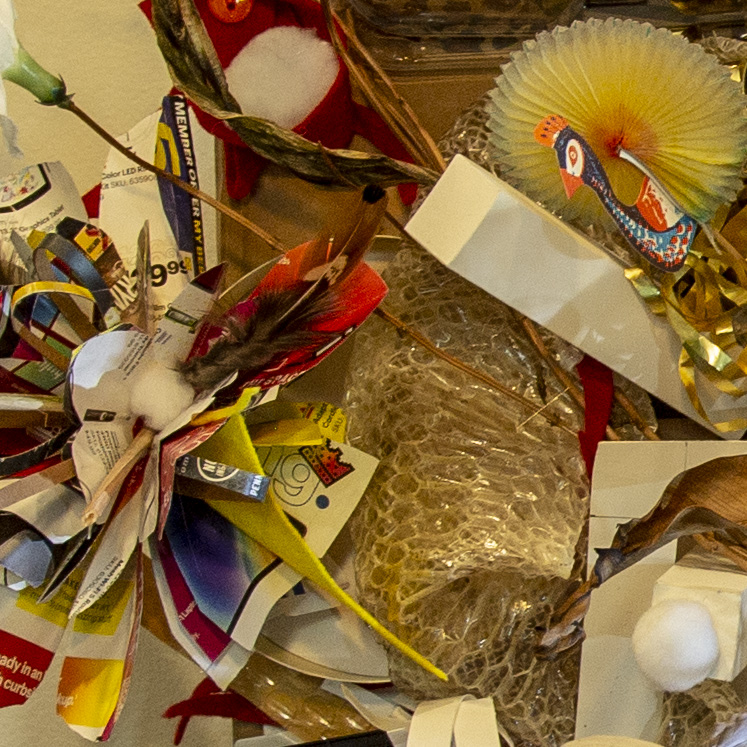
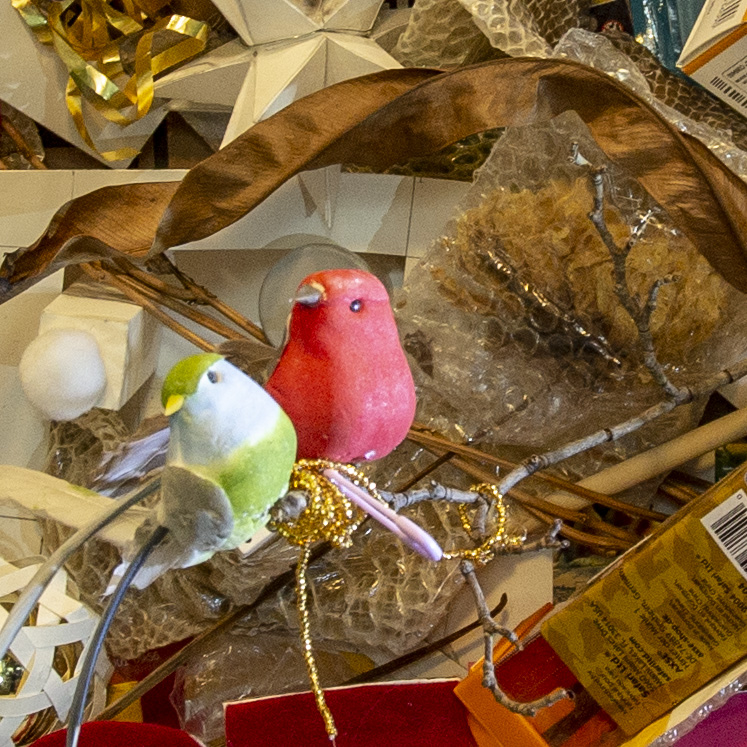
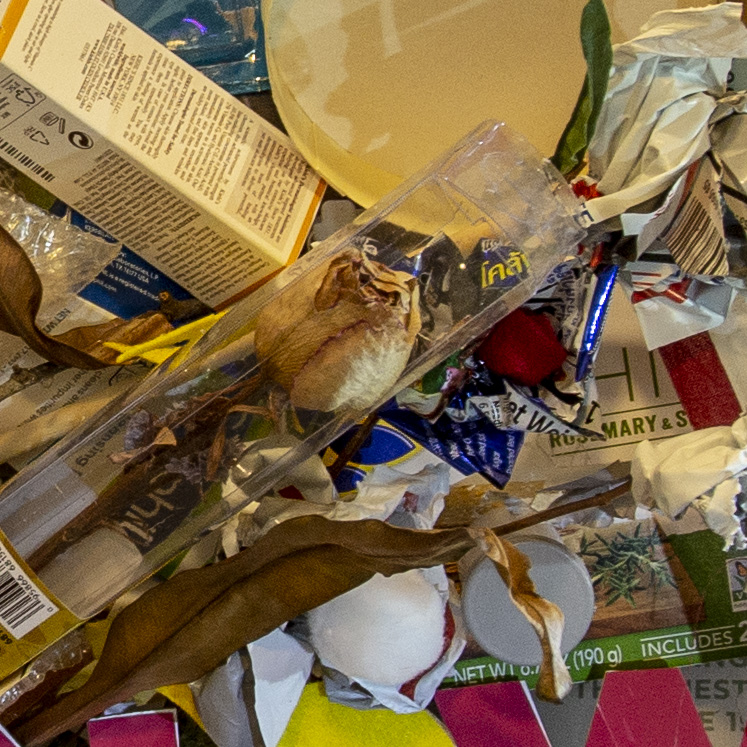
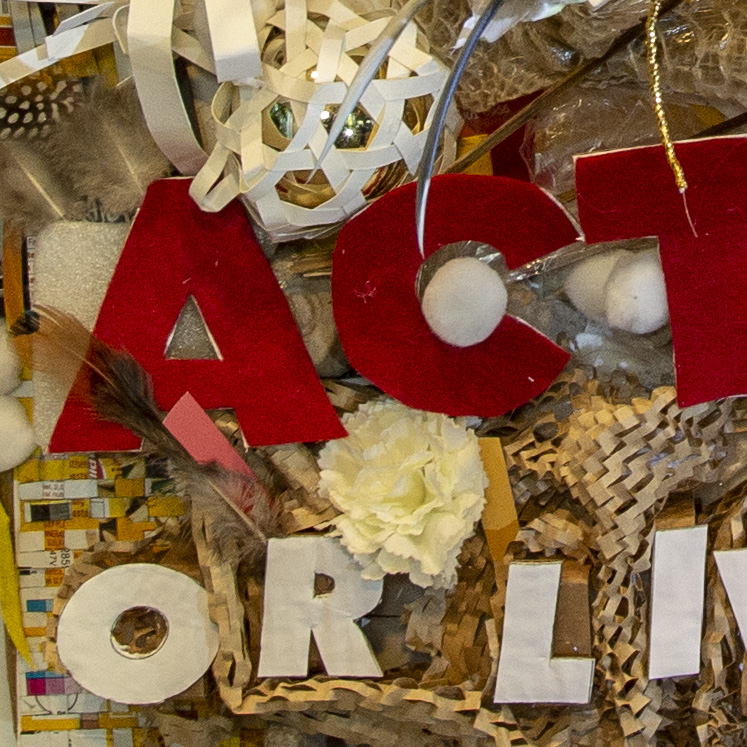
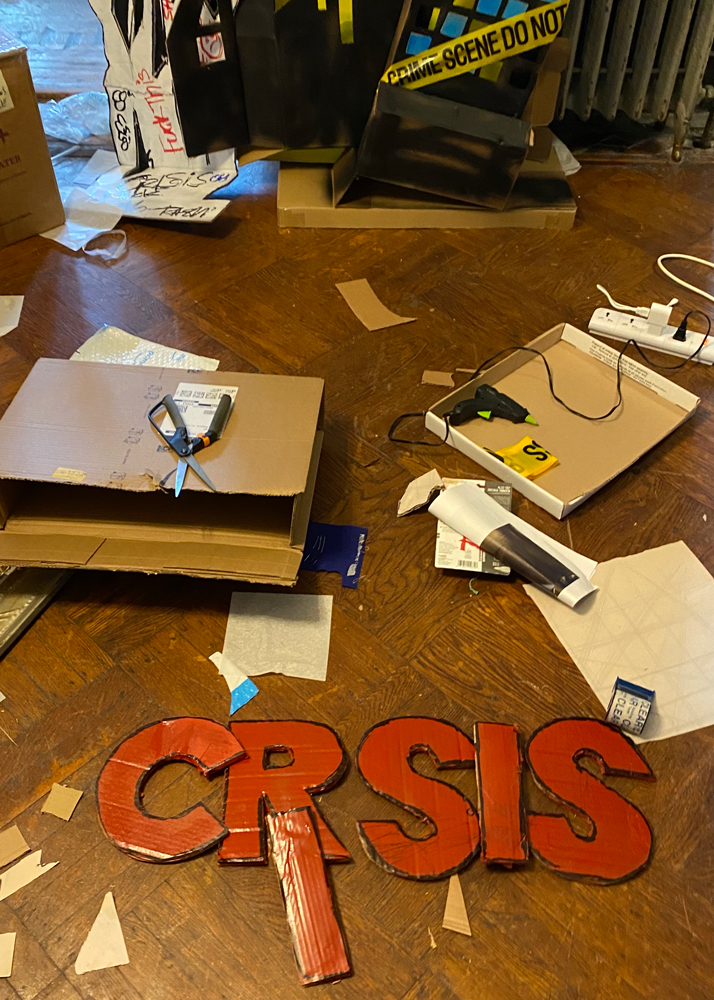
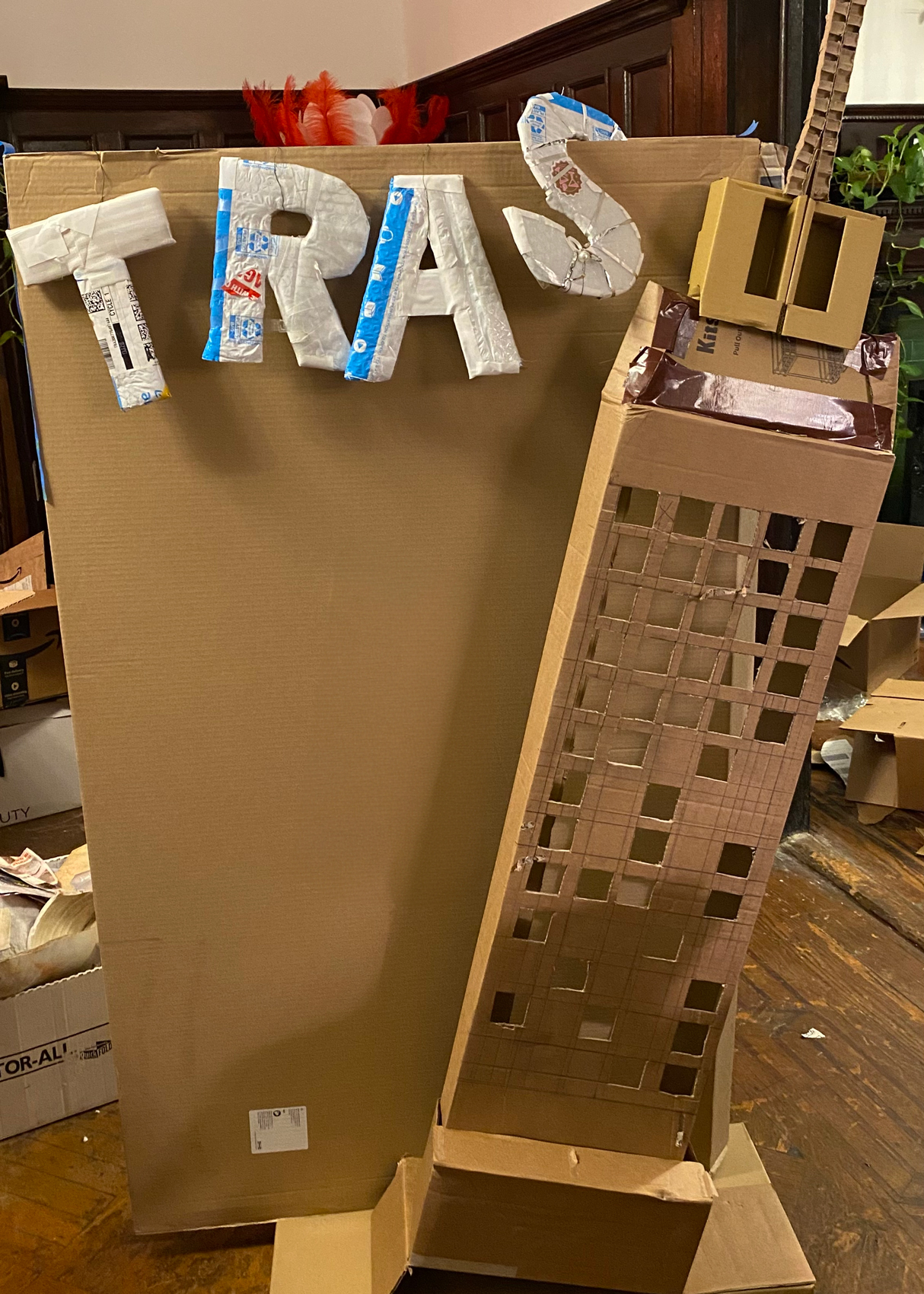
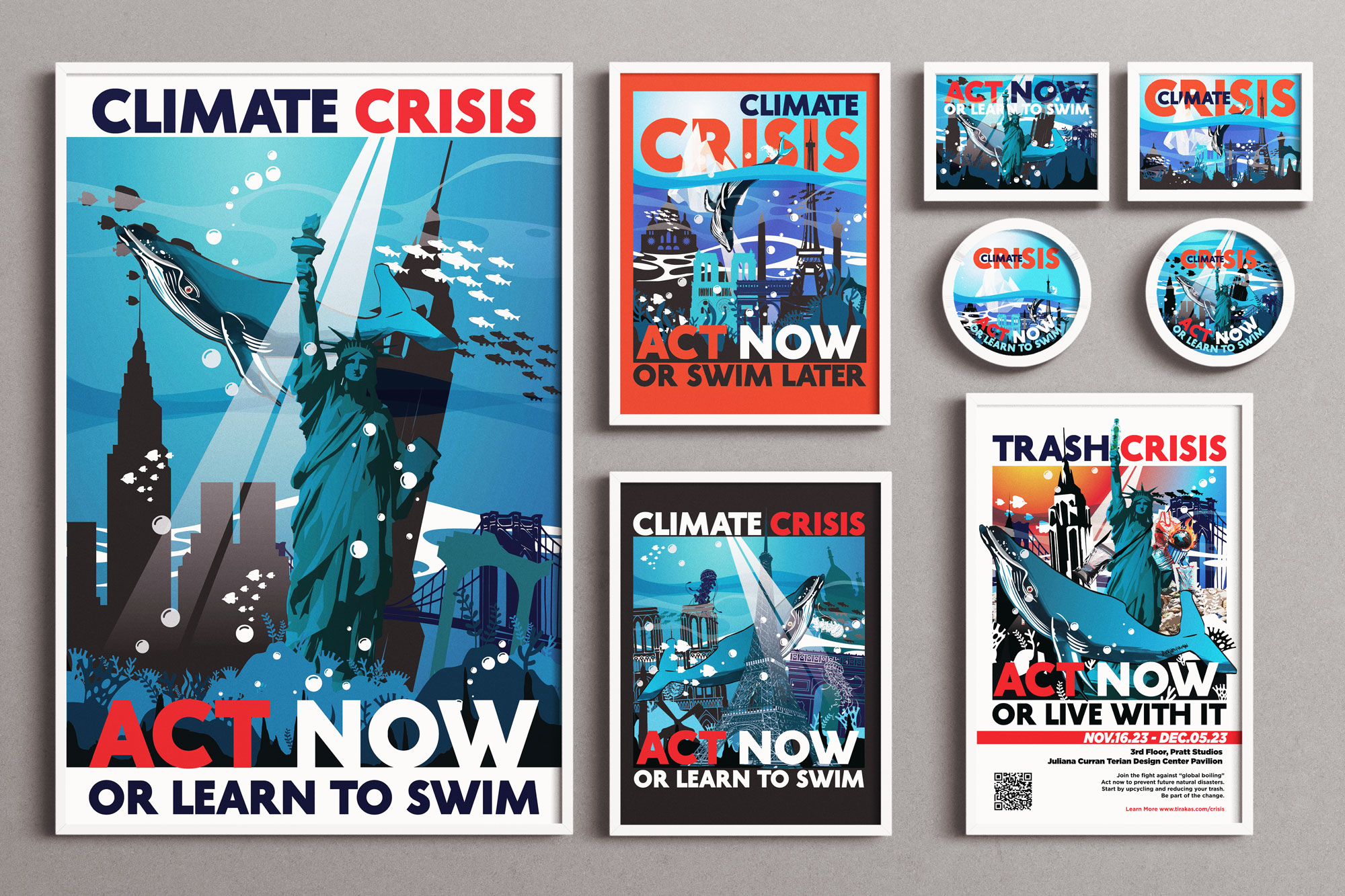
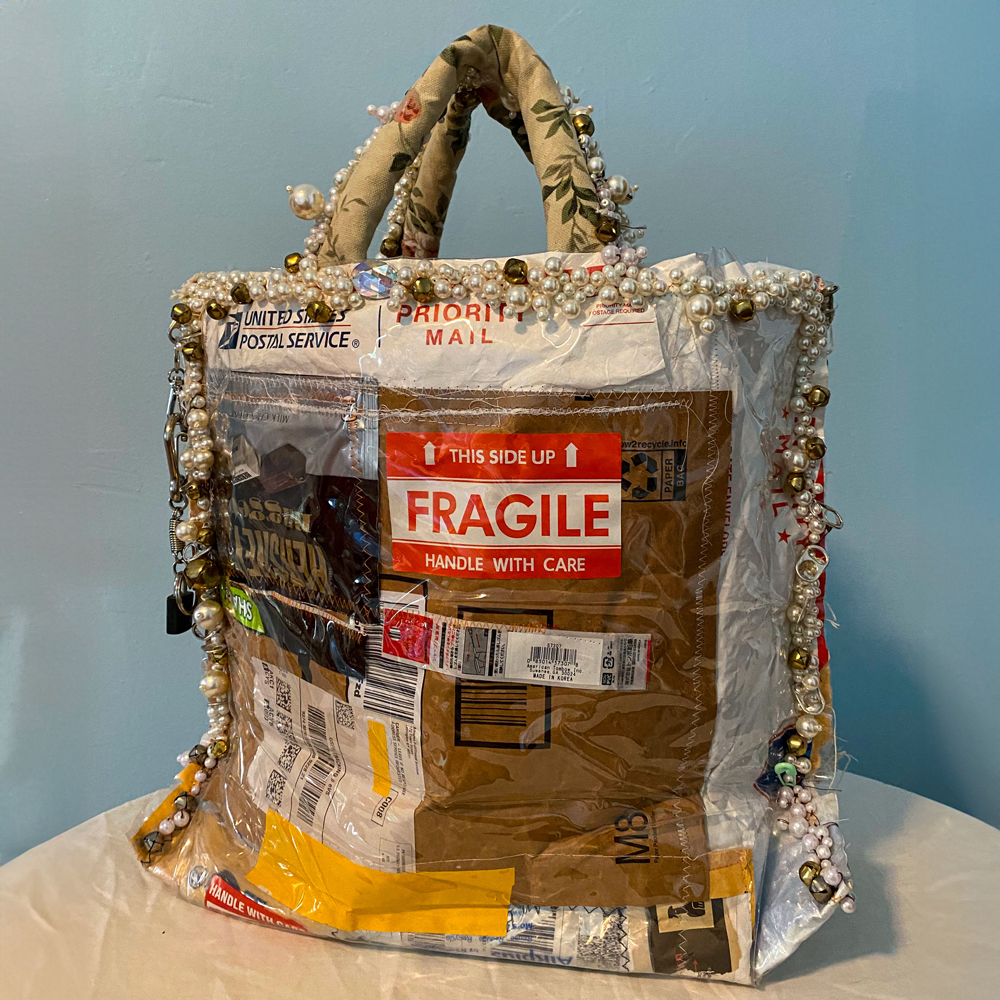
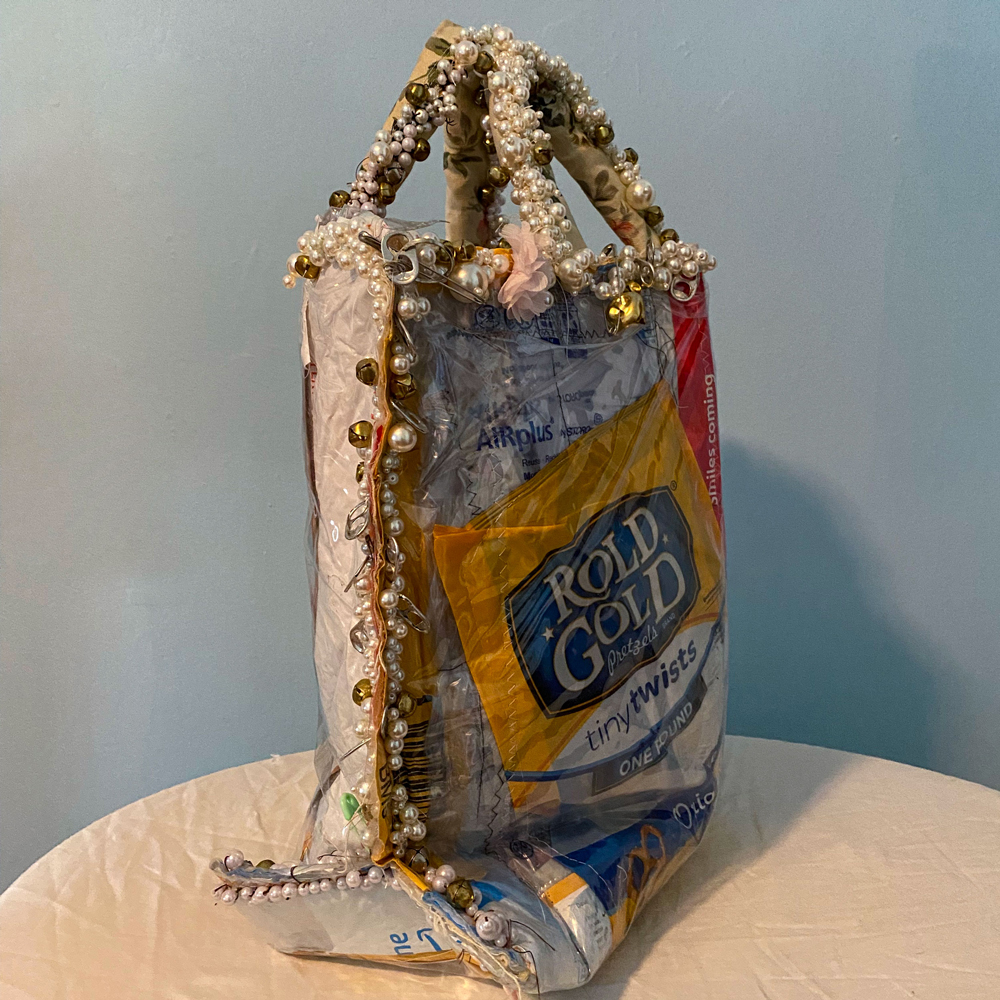
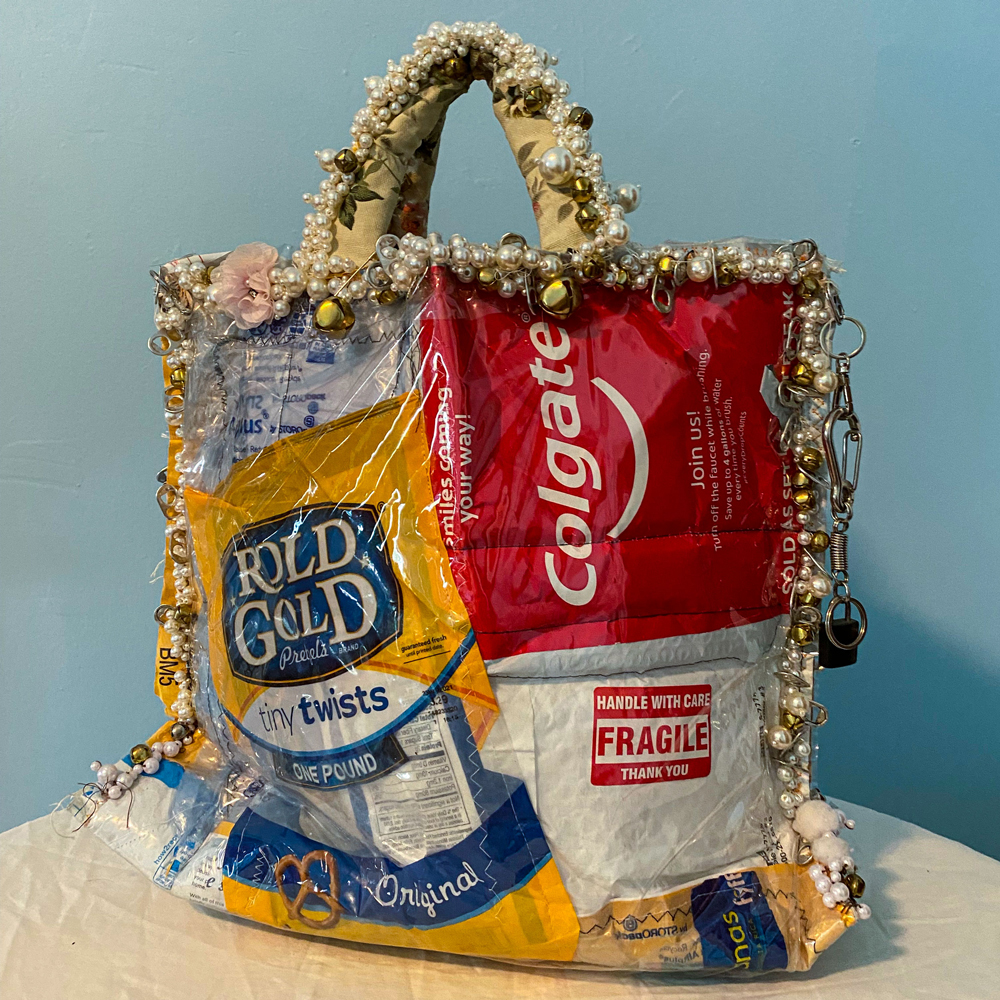
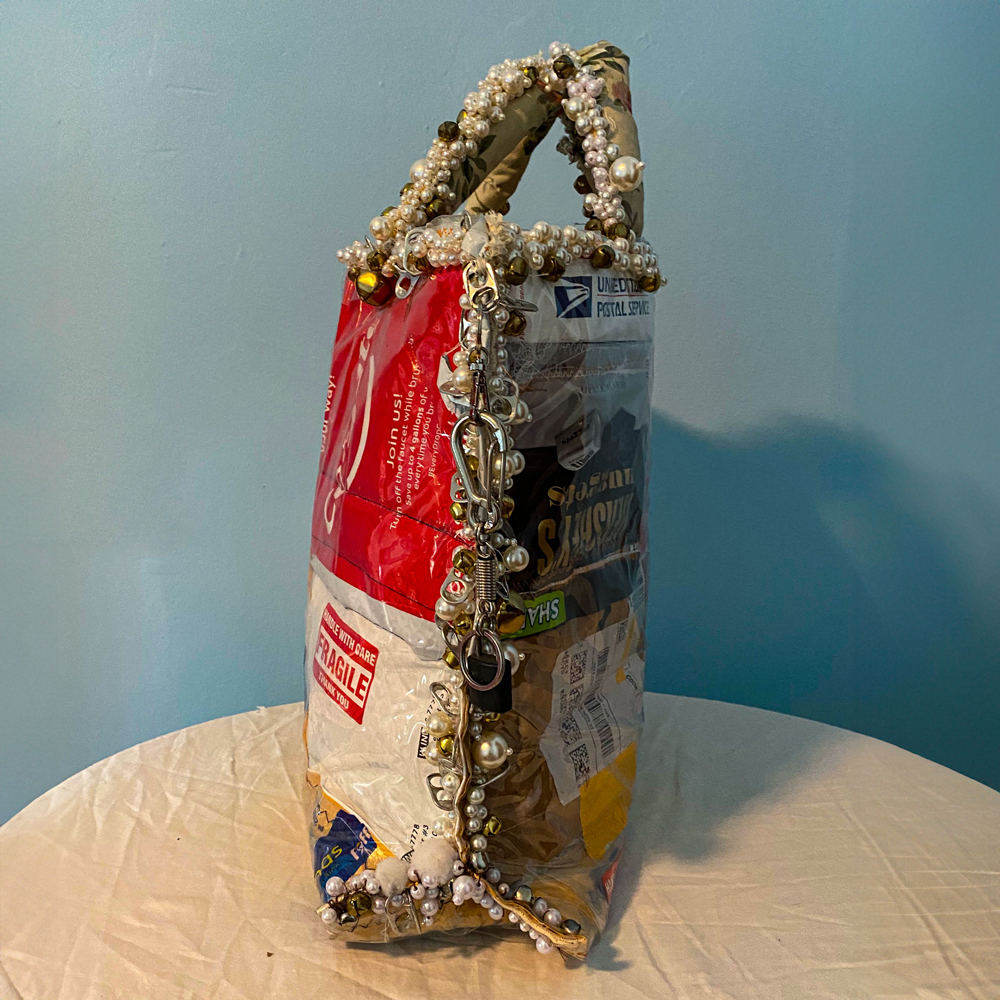
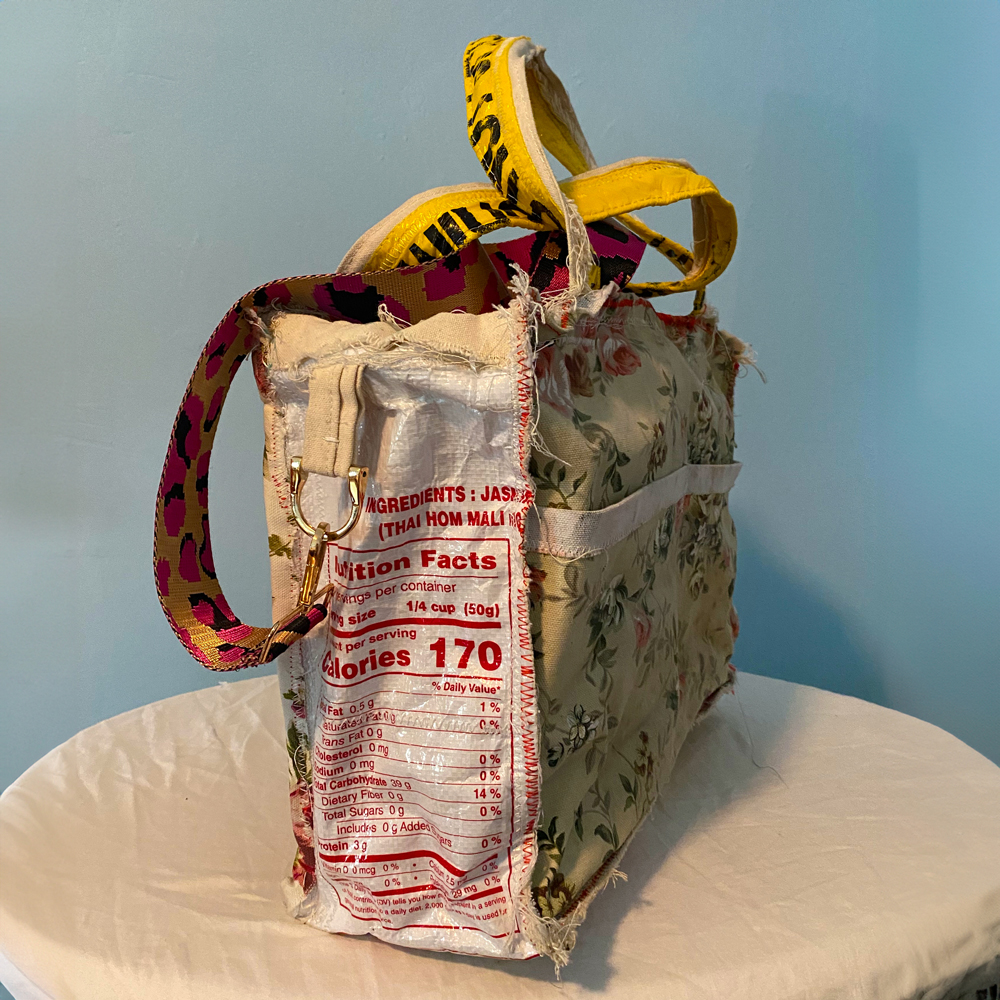
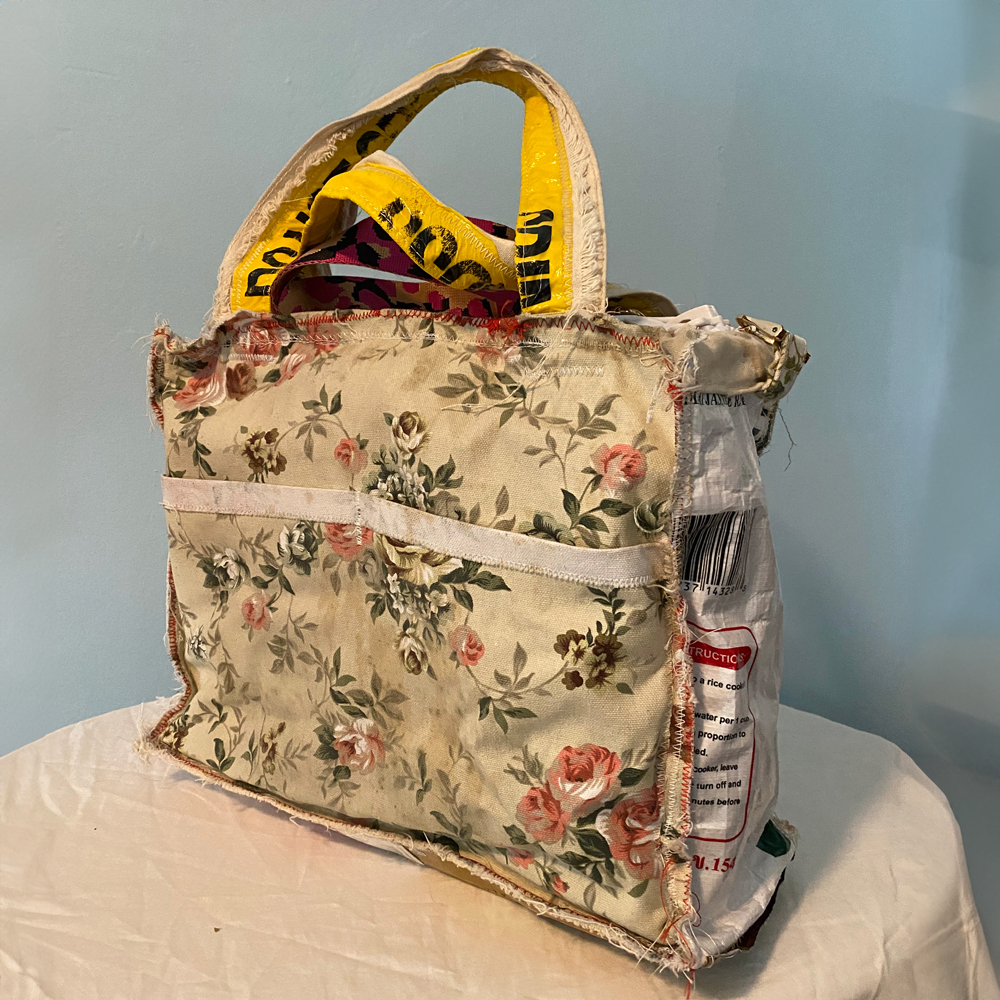
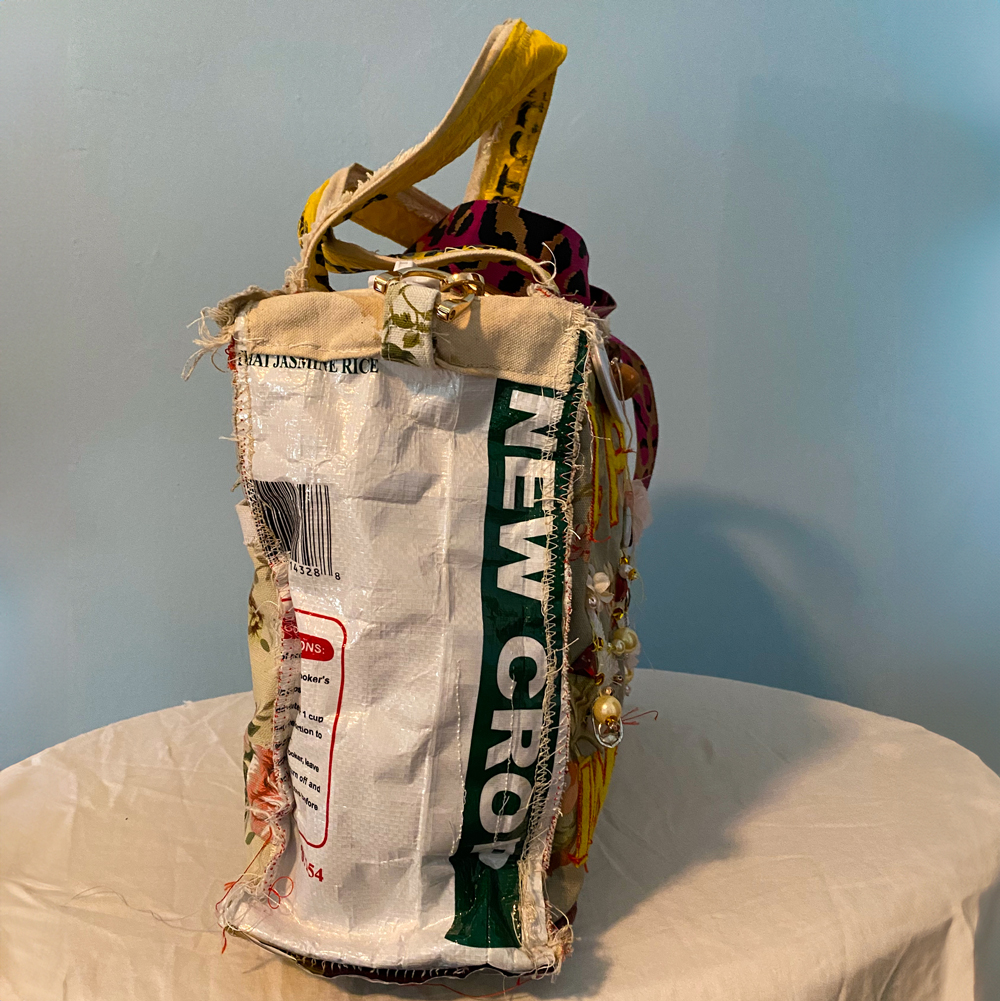
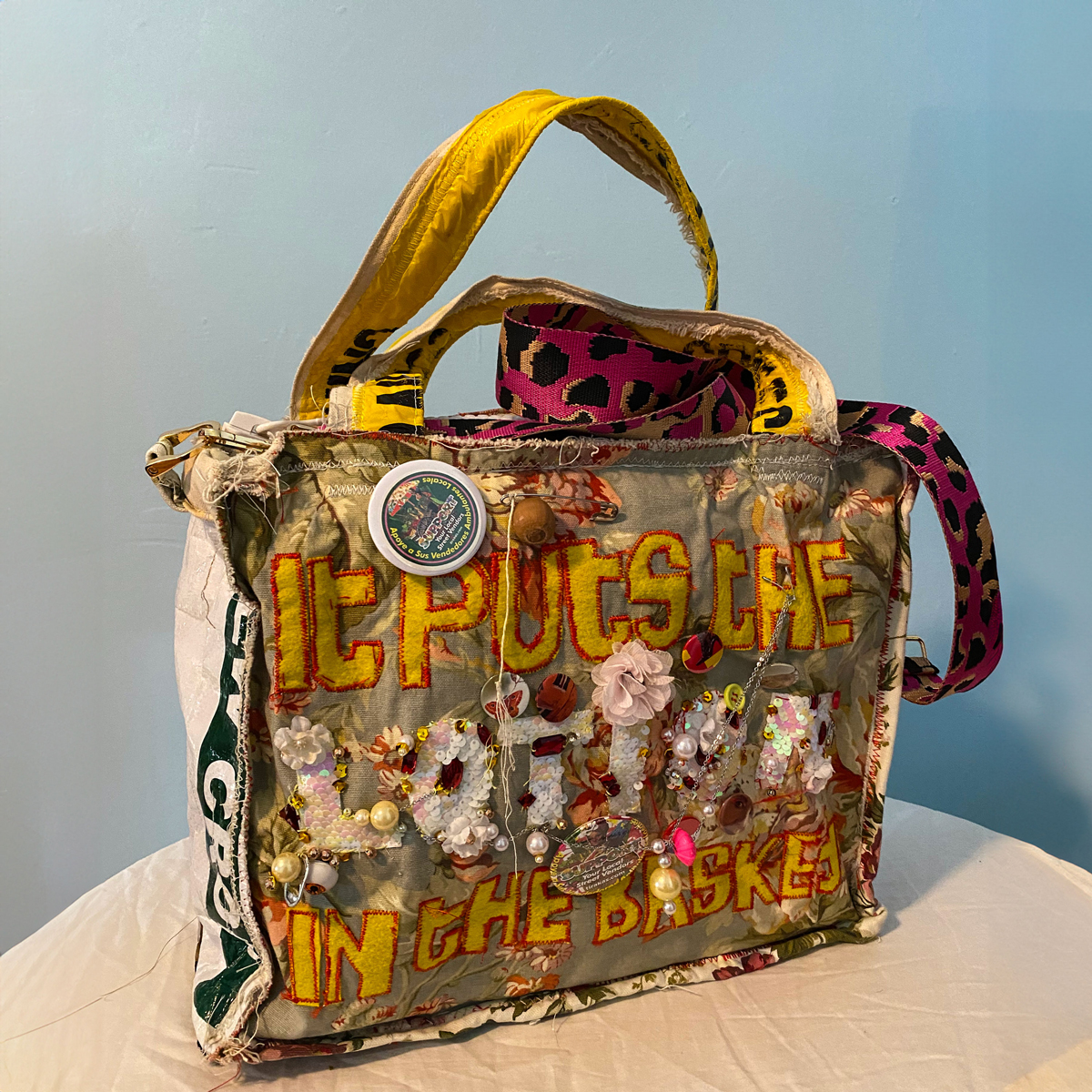
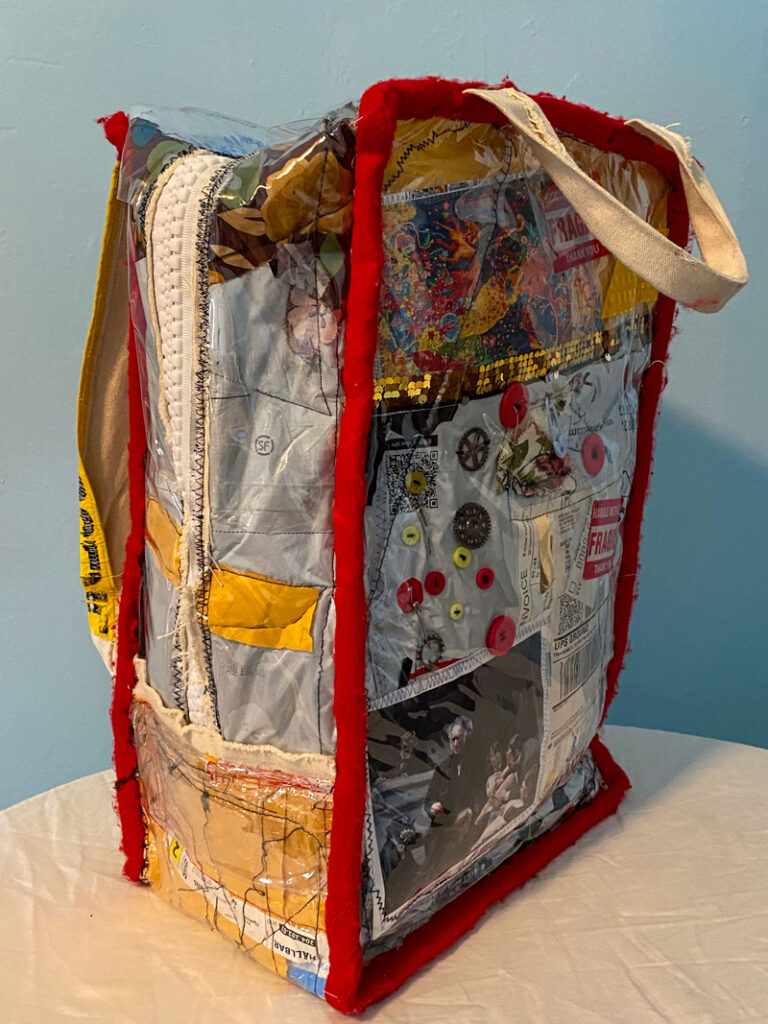
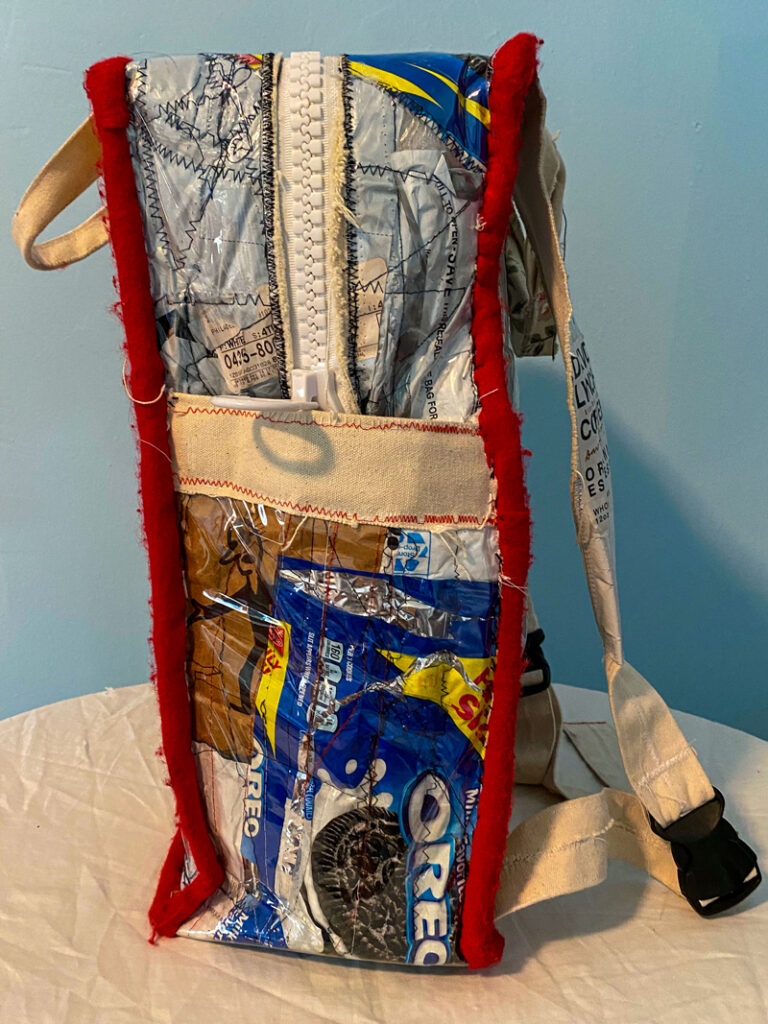
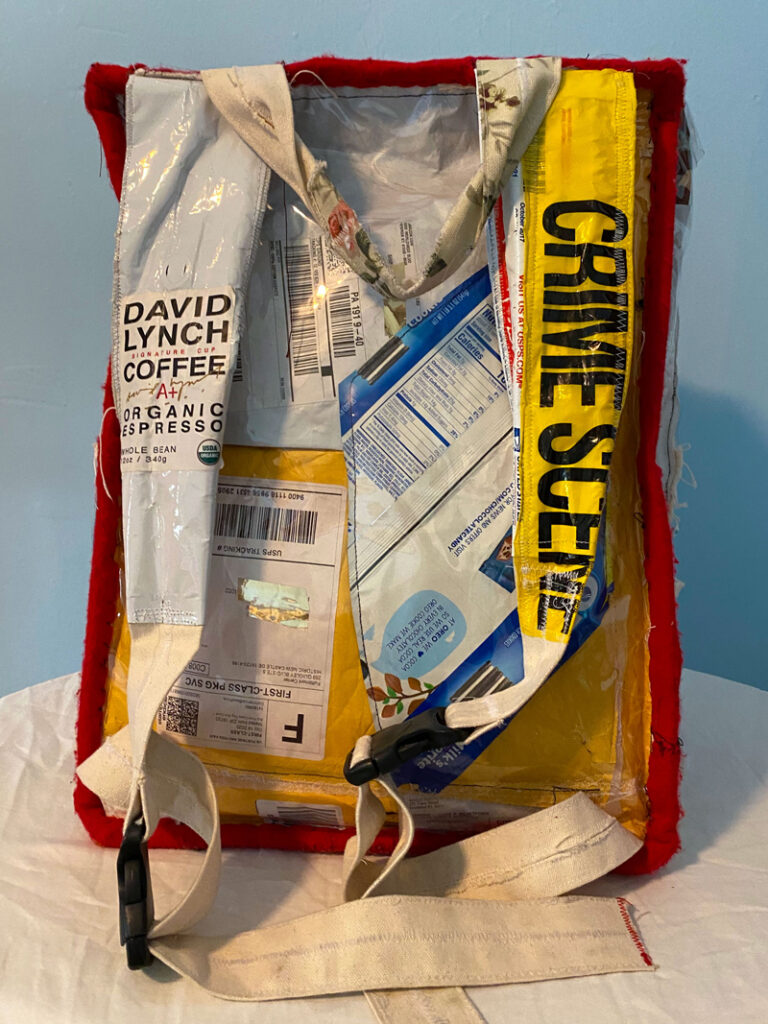
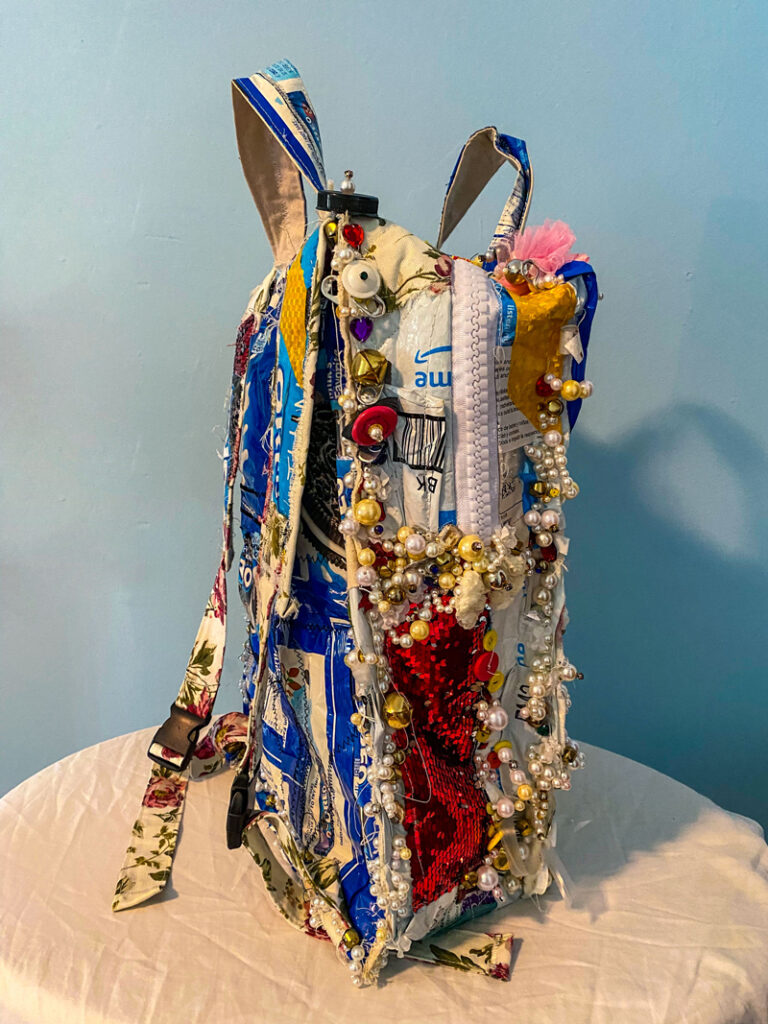
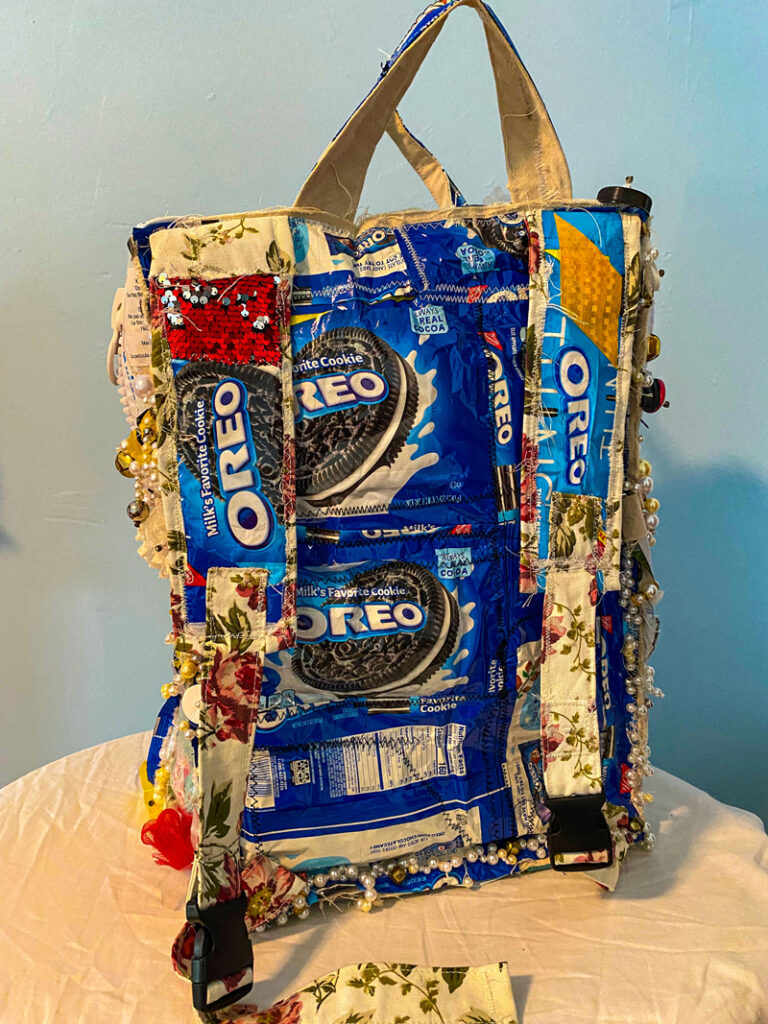
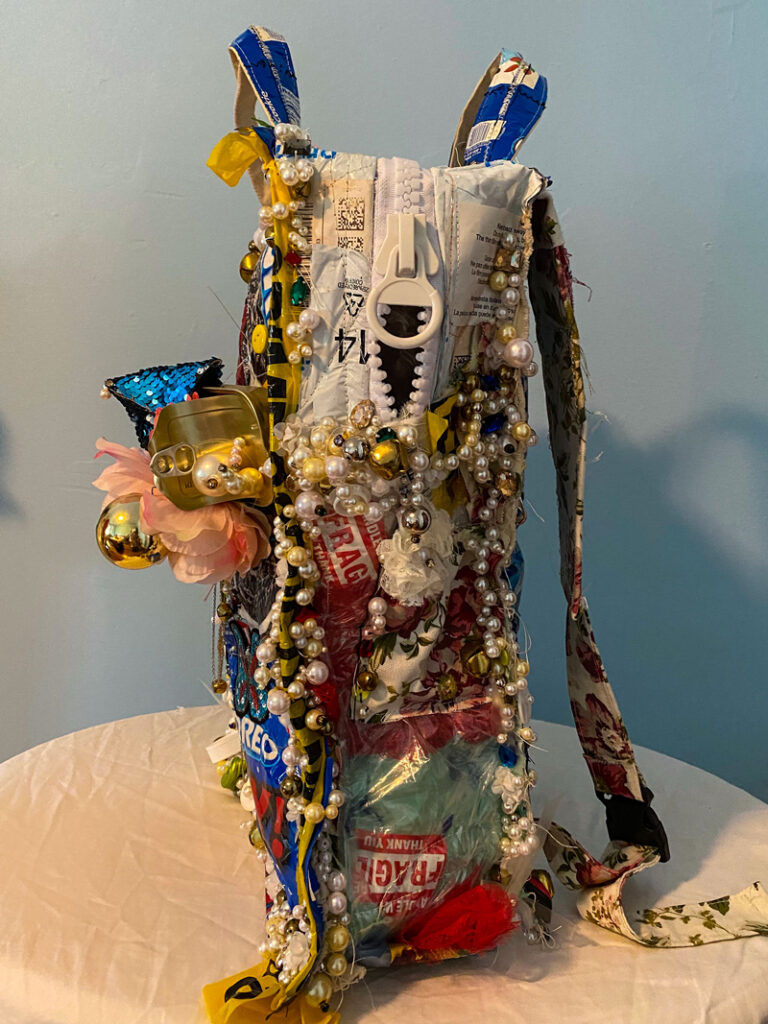
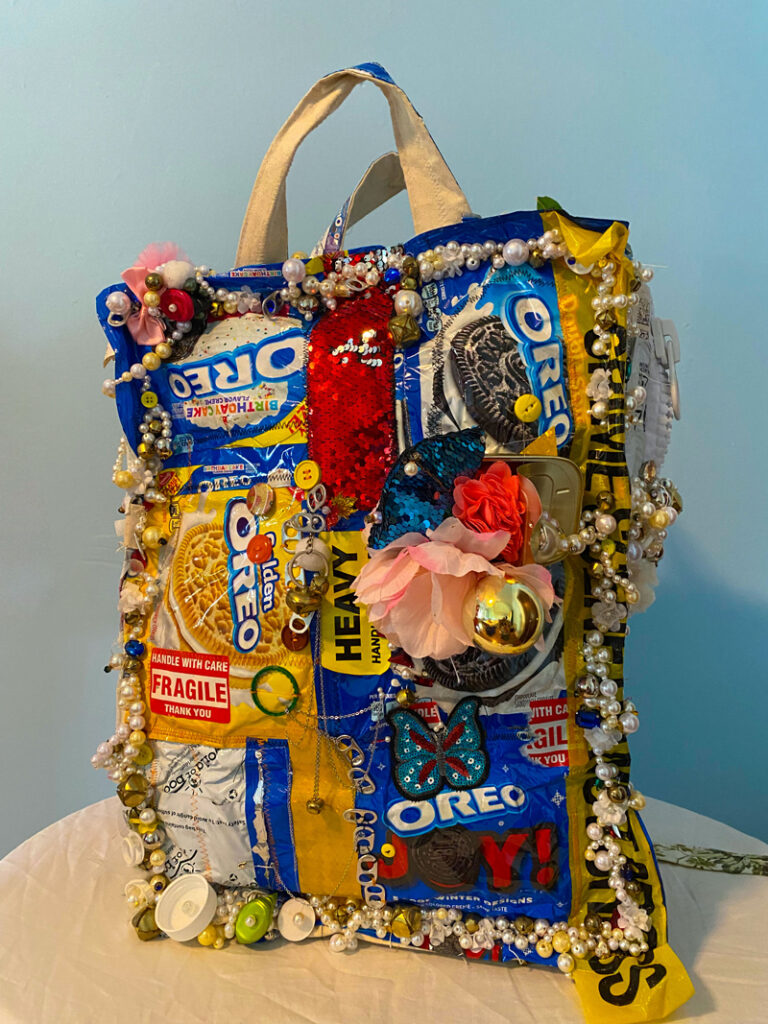
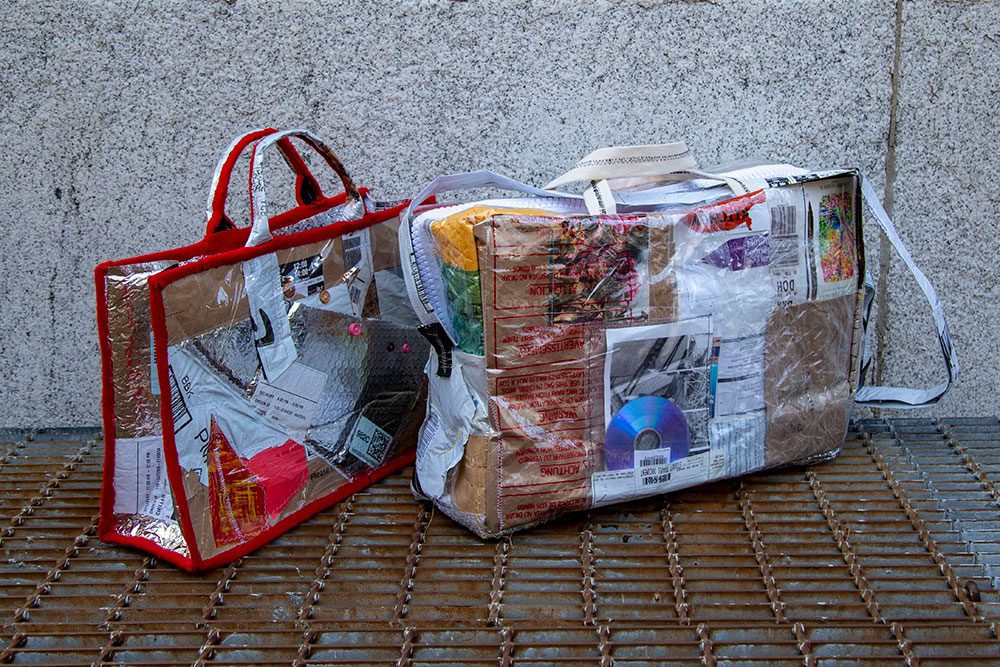
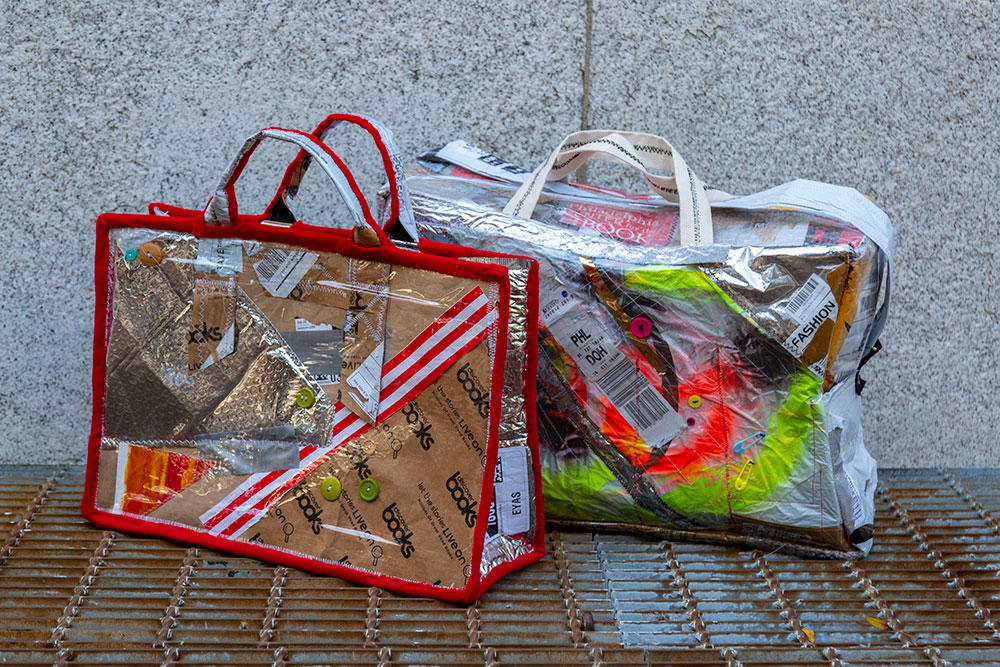
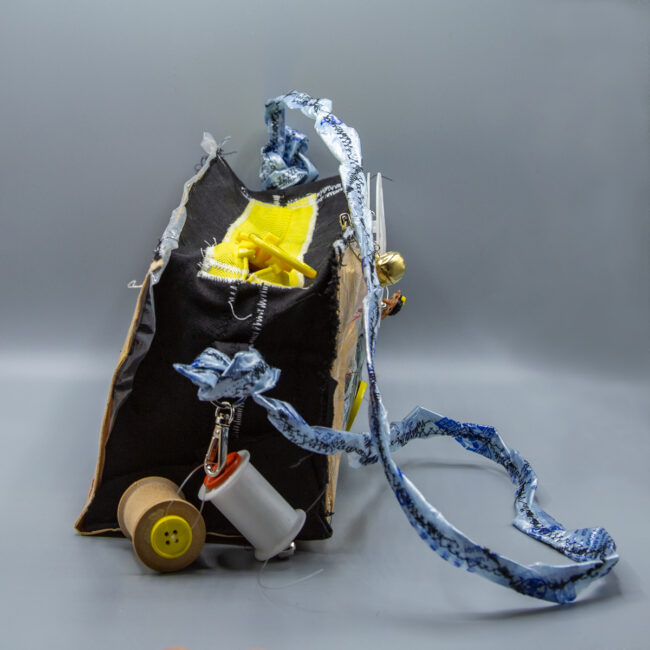
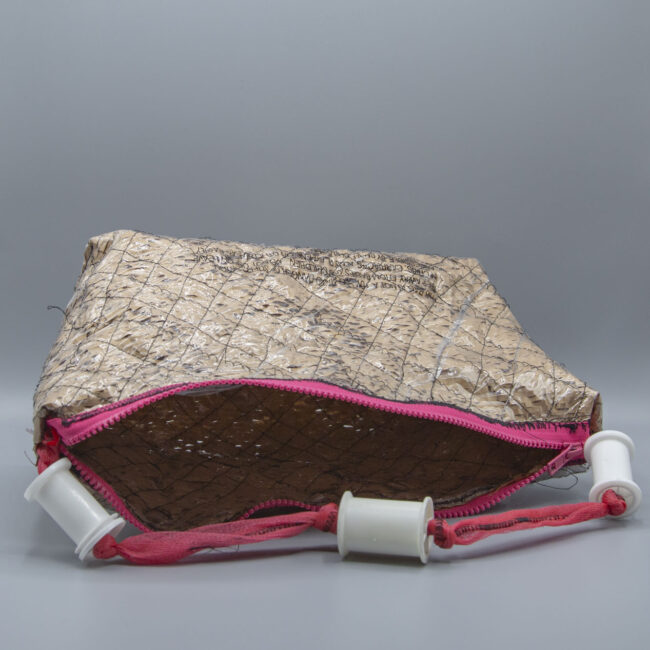
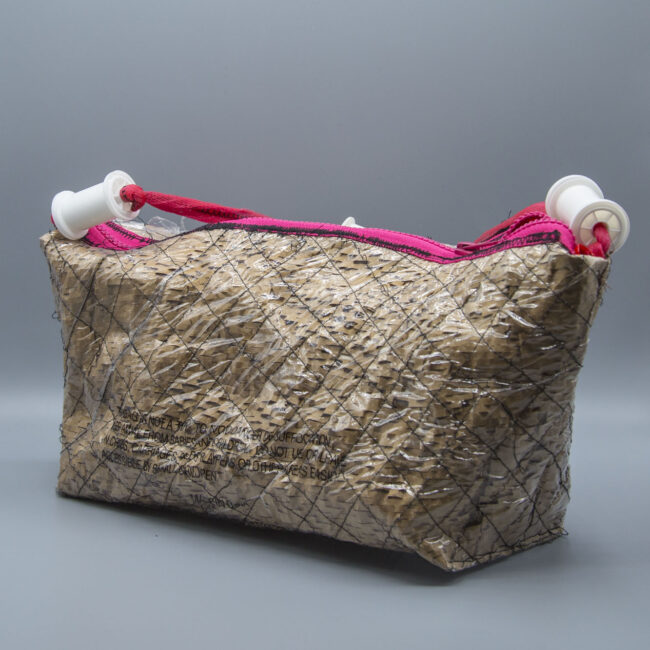
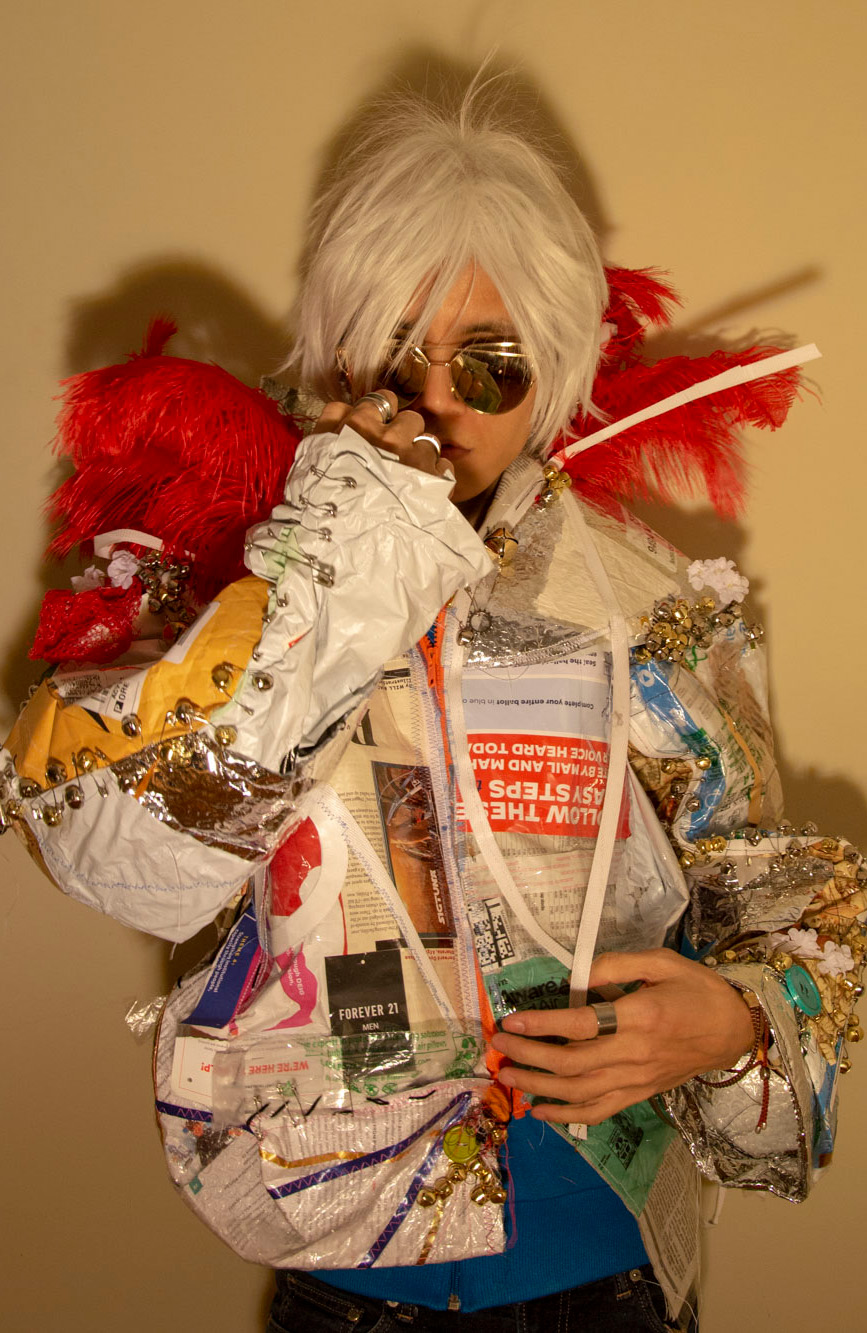
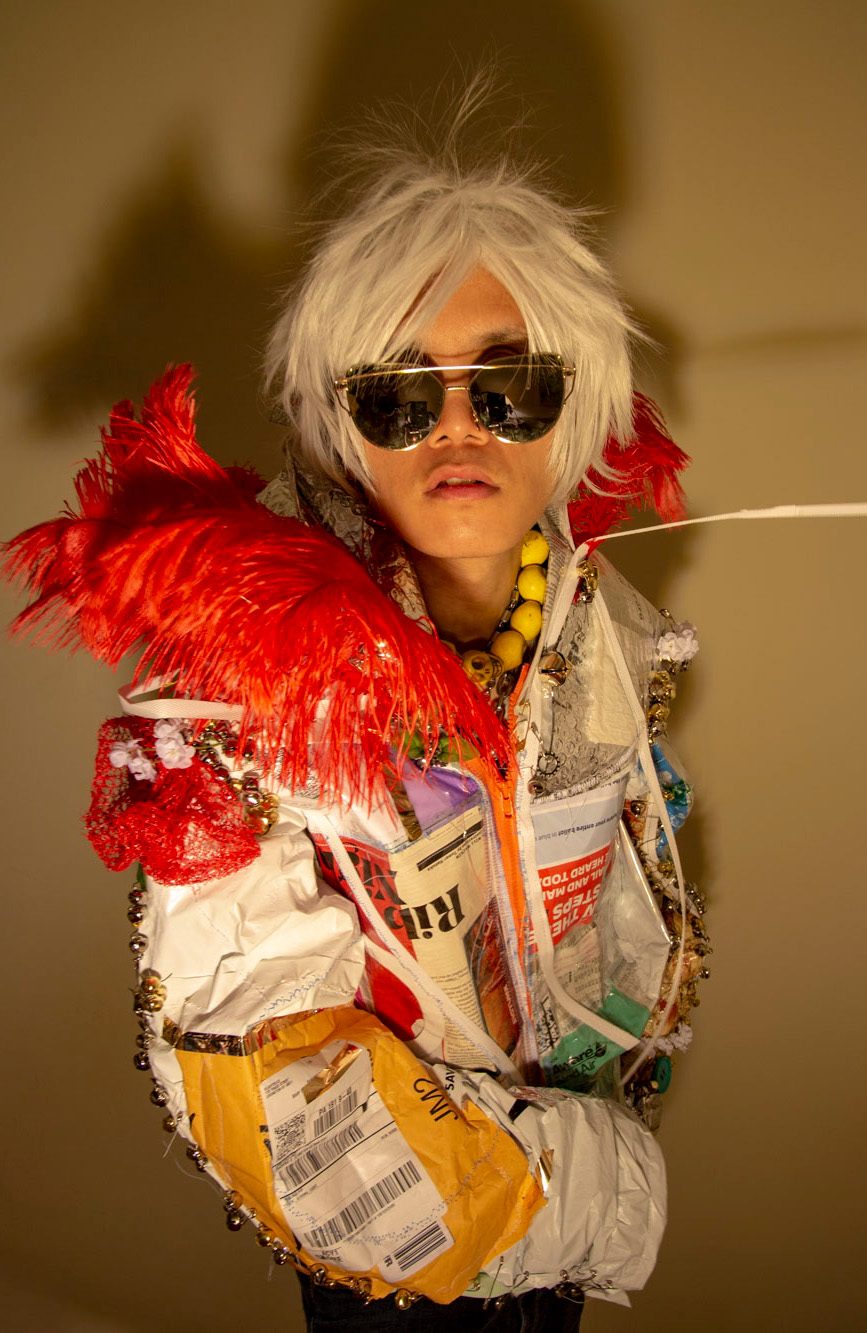
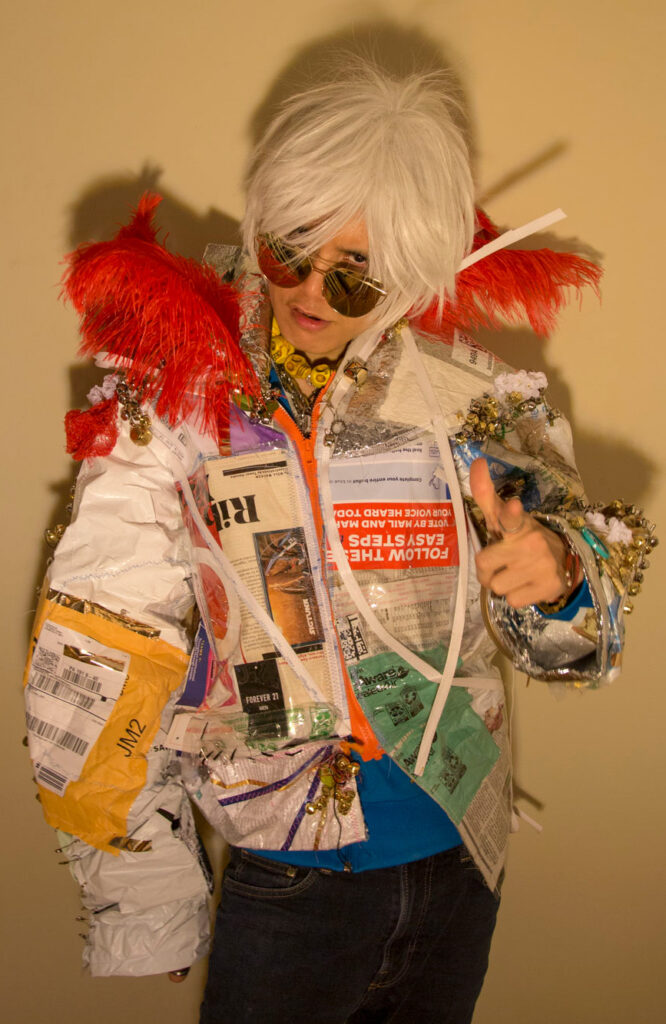
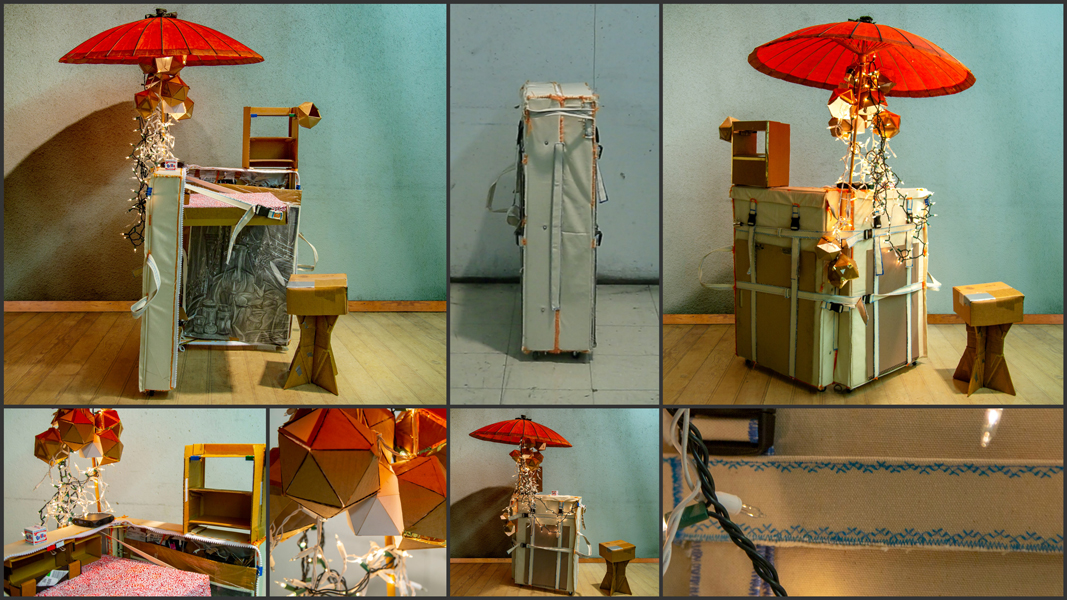
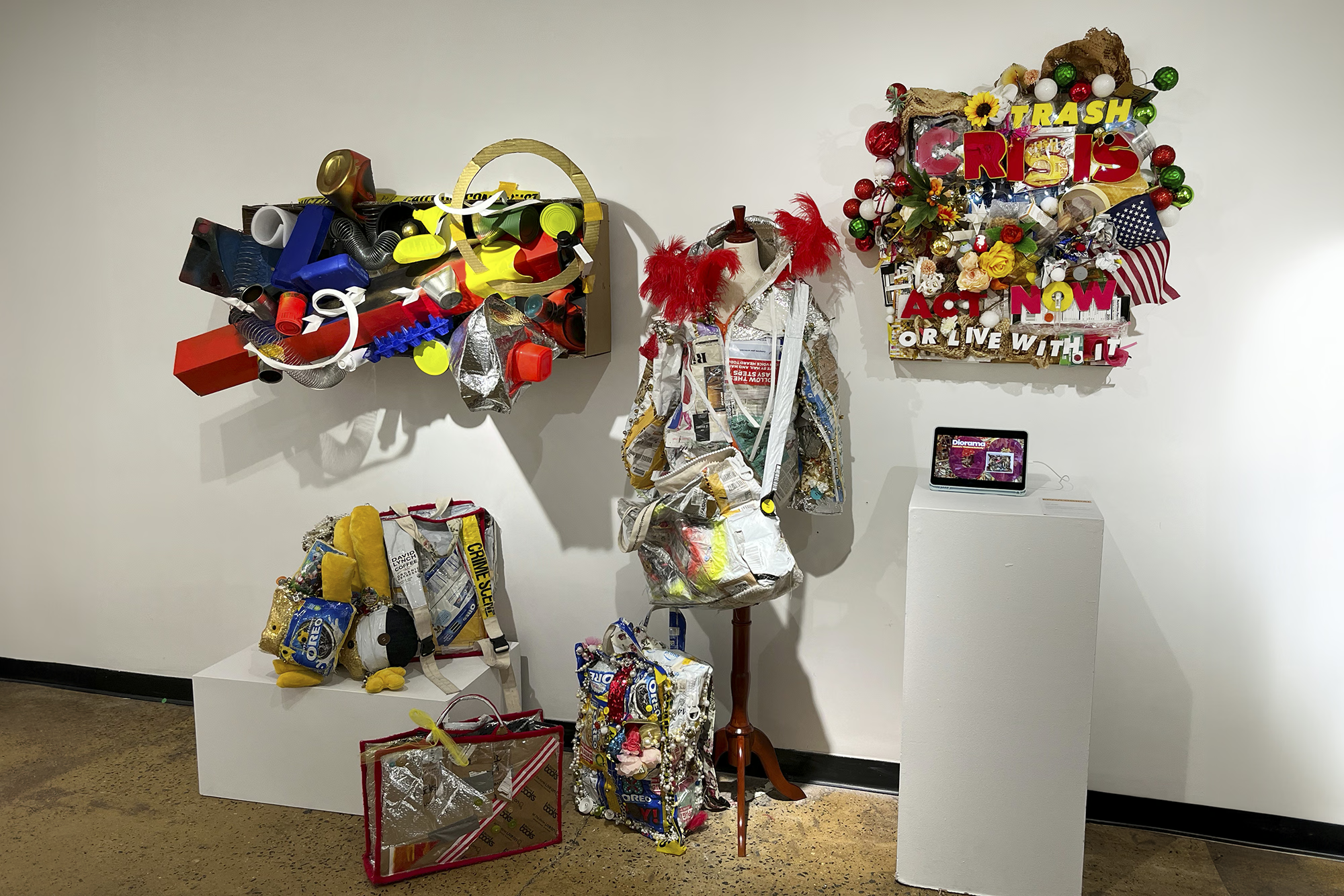
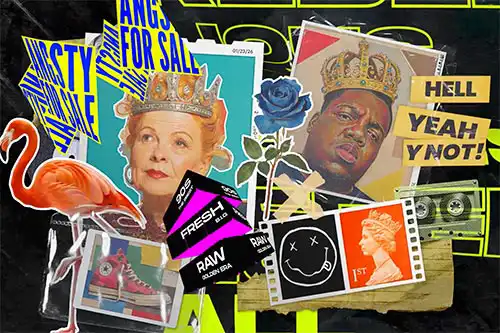
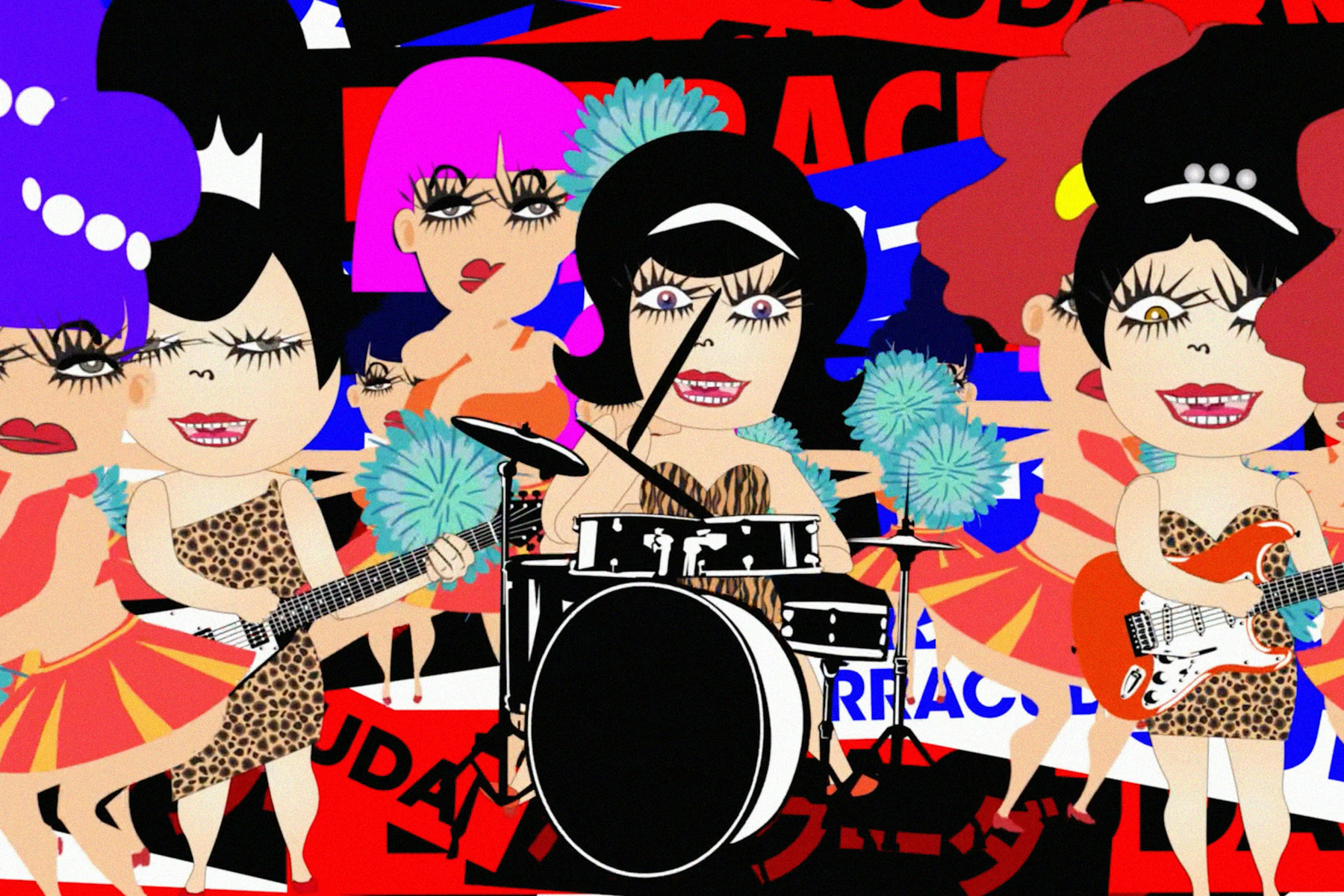

This series upcycles discarded materials, plastic bags, food packaging, bottles, and cardboard, into prints, functional, decorative, and emergency items. These include posters, postcards, pin buttons, tote bags, purses, backpacks, a sculptural poster, a jacket, a t-shirt design, and a mobile workstation.
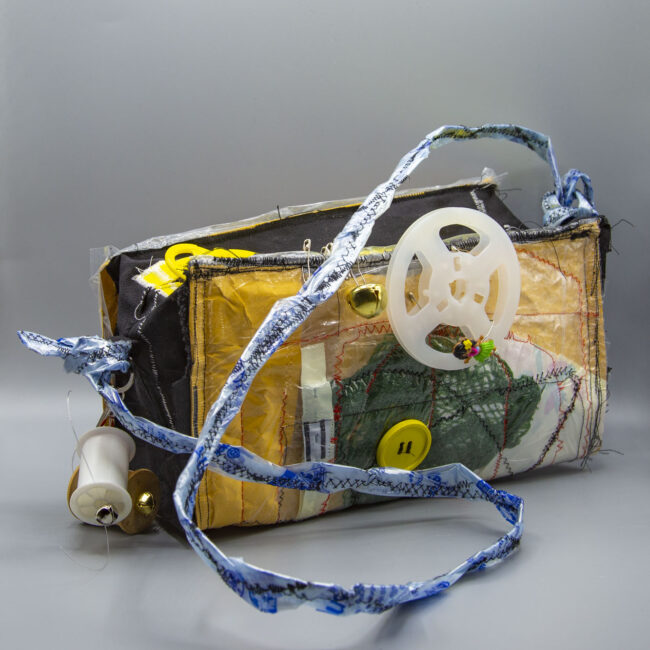
Specifically, this project expands upon my 2009 work, Quisquiliae: 21st-century Dadaism, Art and Design for All Possible Worlds, reimagining waste as raw material for social transformation.
In addition, it serves as a response to the UN’s "Global Boiling" era, critiquing the culture of overconsumption and ineffective waste management. Consequently, by merging graphic and textile design through my "more is more" philosophy, I have created a Gesamtkunstwerk that redefines Immersive Experiential Design as a tool for environmental activism.
The goal is not just to design the sustainable visual systems. It is to inspire people to rethink consumption, reduce household waste, reimagine the legacy of time-defying plastic and celebrate creative reuse, and creatively upcycle discarded materials to help build a more sustainable world.


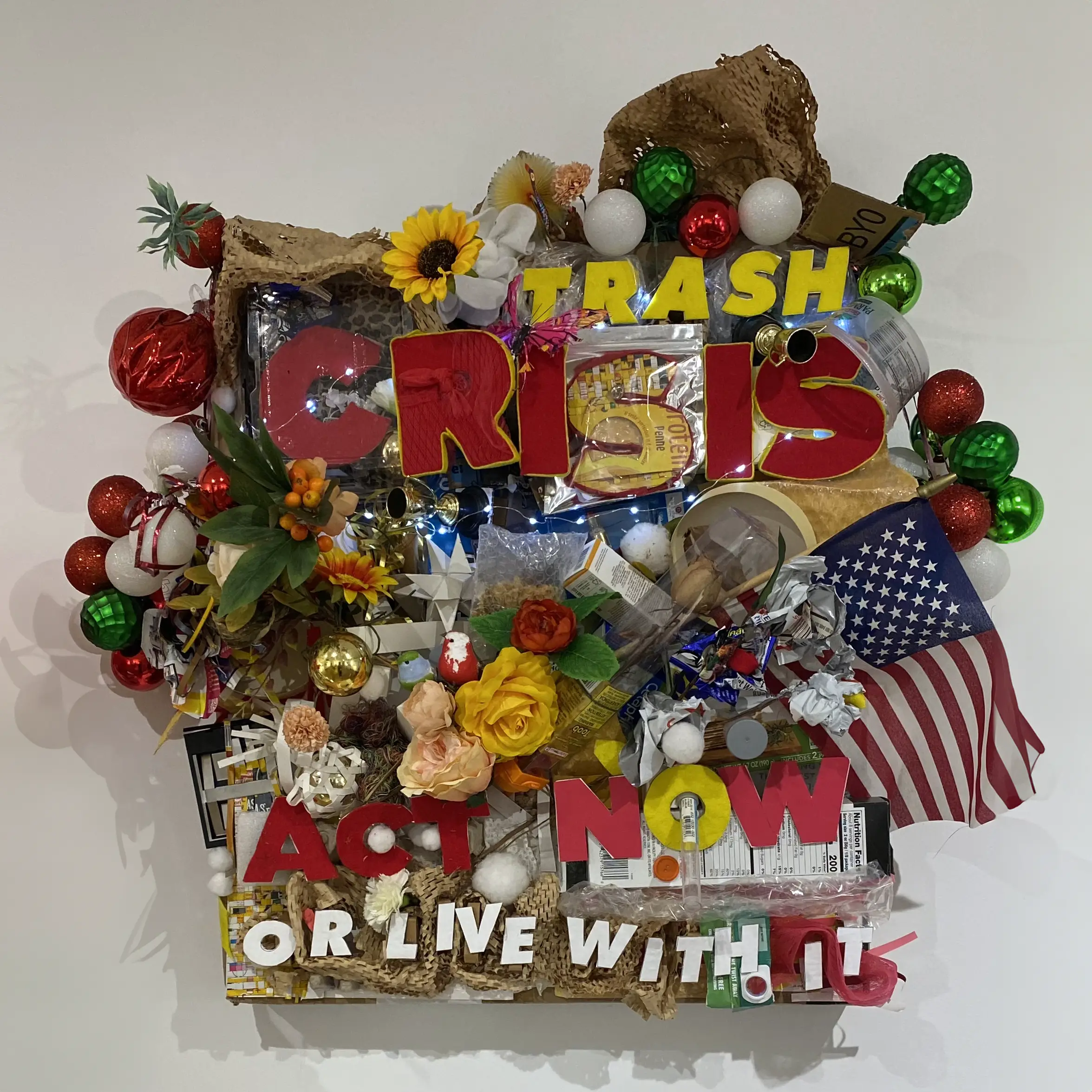
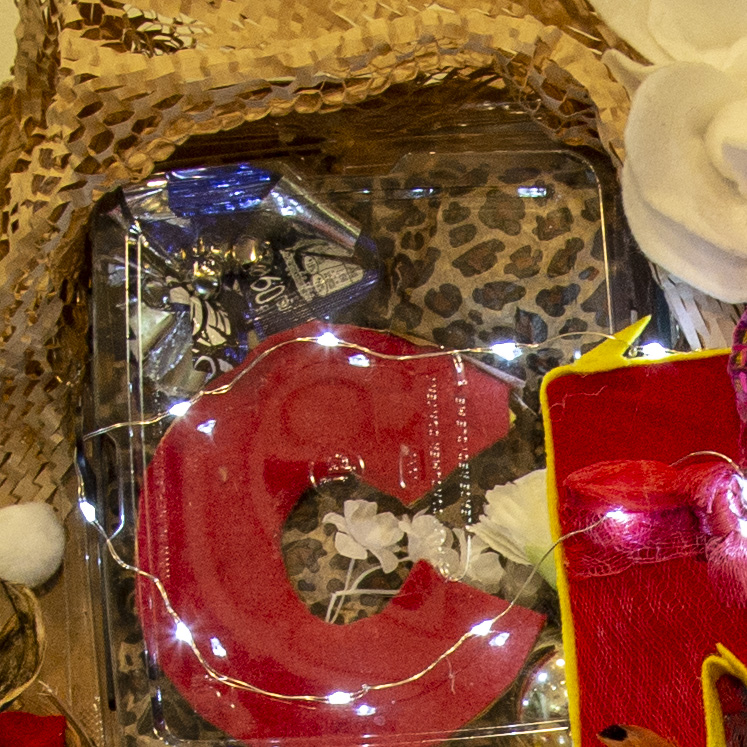
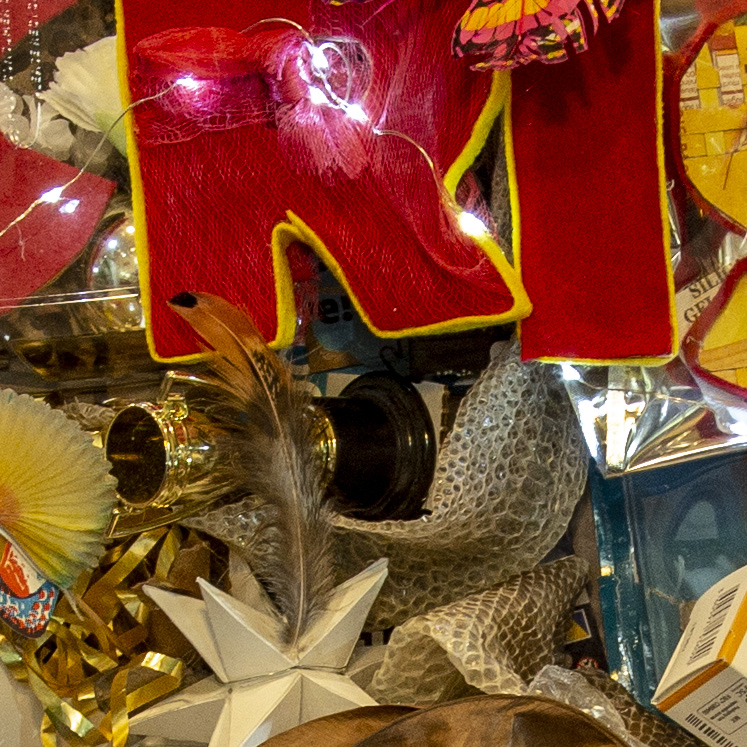
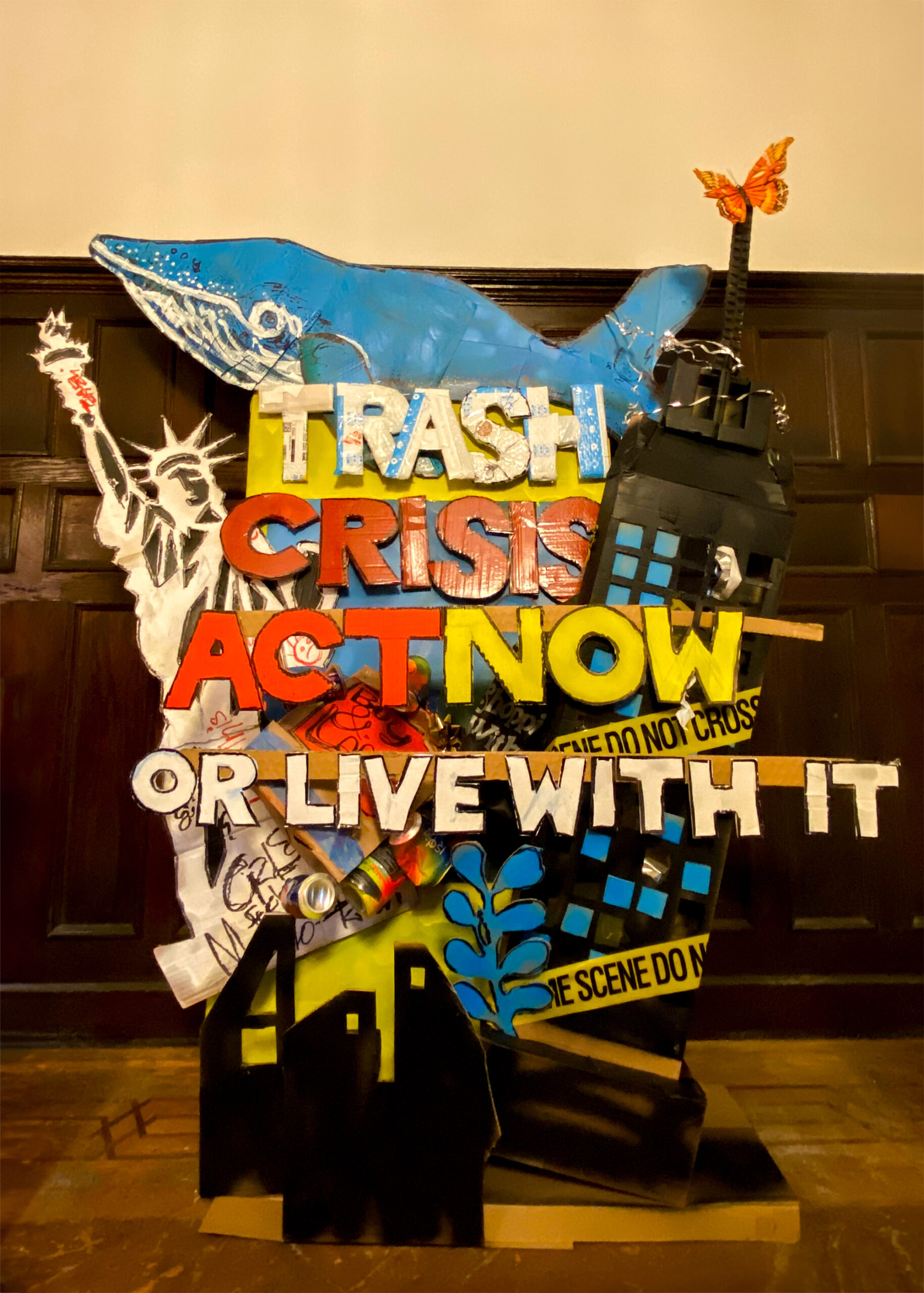
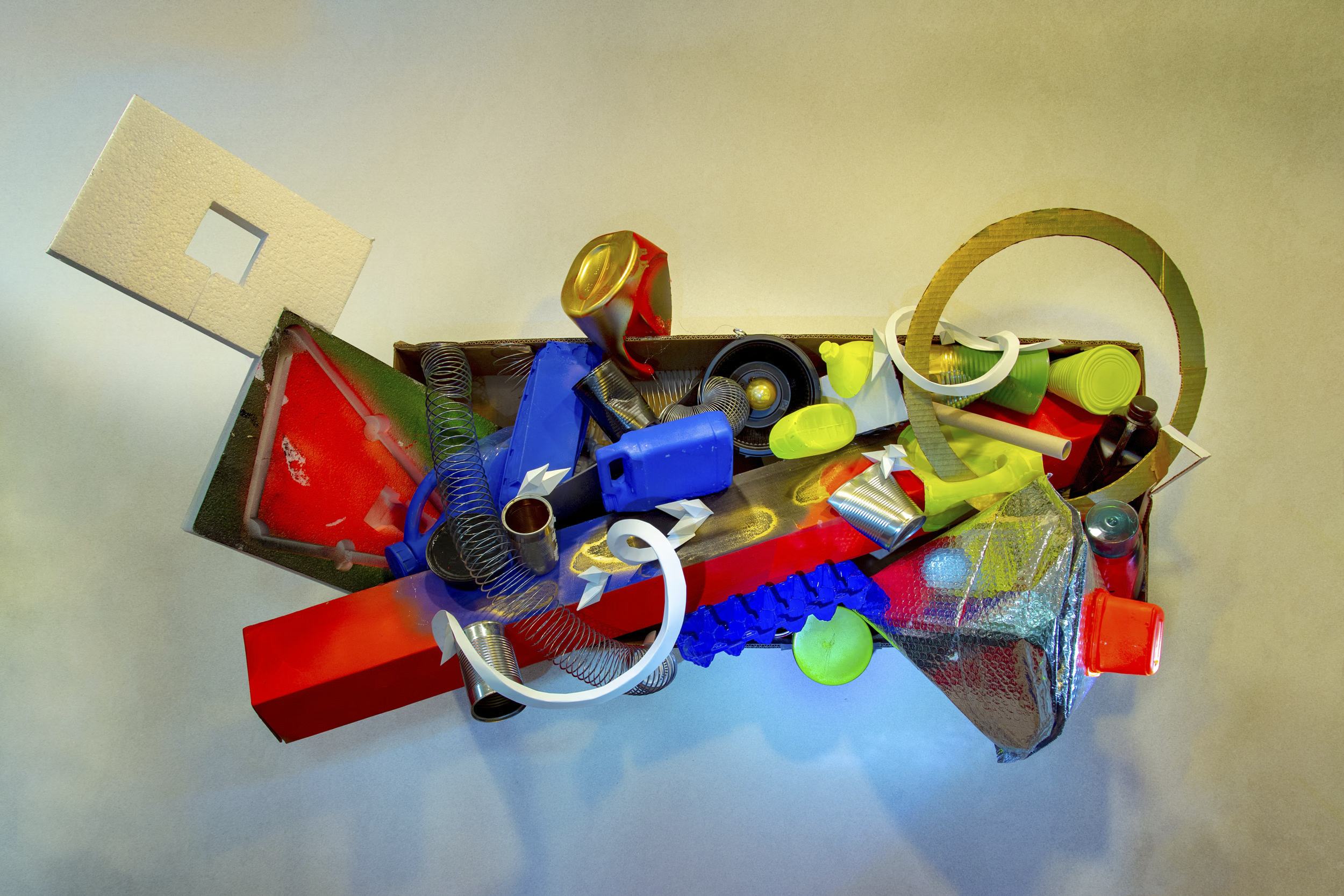
The wall sculpture, influenced by Wassily Kandinsky and Dadaism, recontextualizes discarded objects to address issues such as ocean pollution and the trash crisis. It was spray-painted to enhance its painting-like quality and echo Wassily Kandinsky’s “Composition 8,” filled with visual rhythm and movement. (Quisquiliae means “garbage” in Latin)
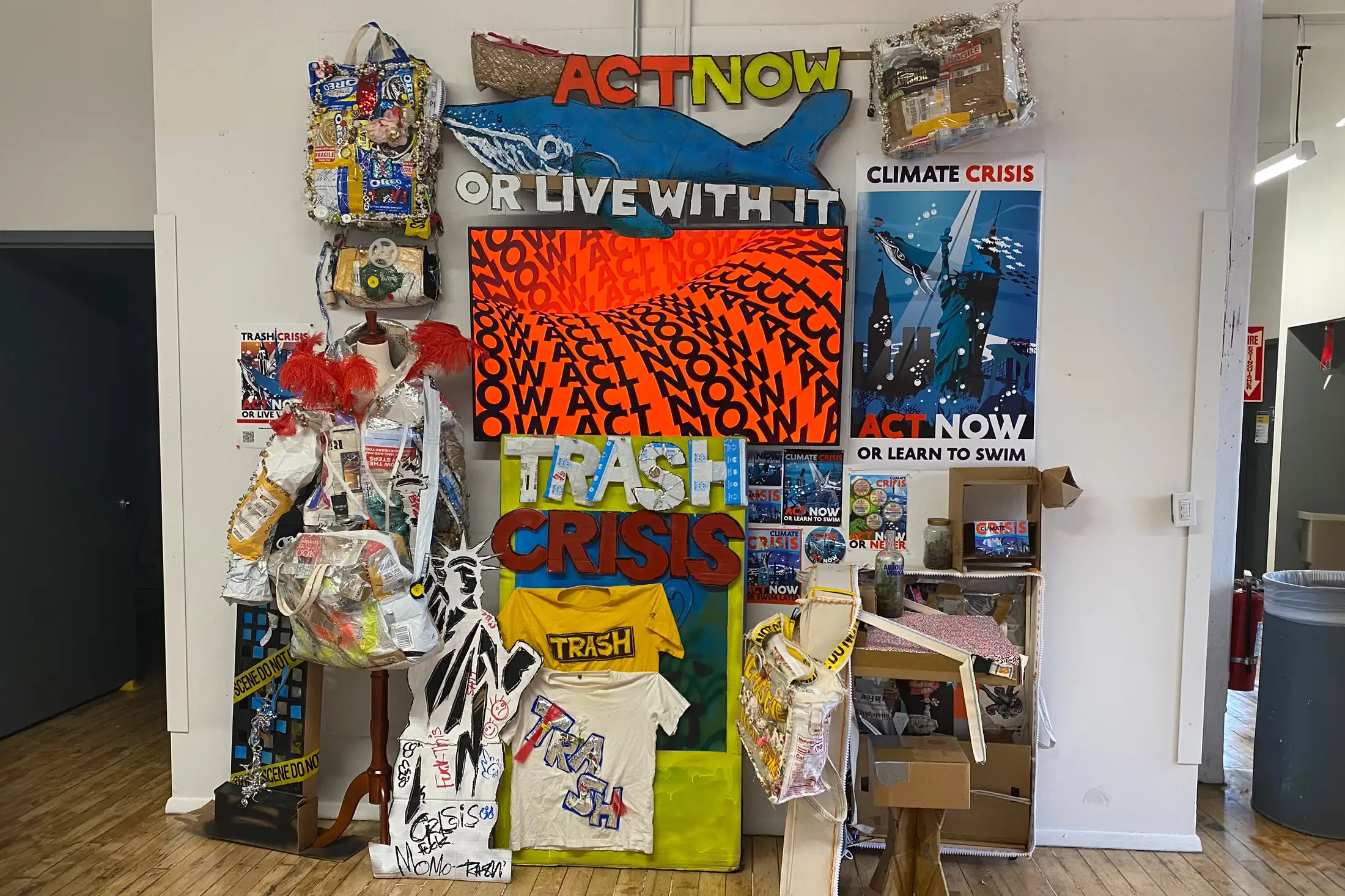
Some of the artworks from this series were selected for the show, which was curated as a kind of "total work of art", thoughtfully arranged to elevate each piece, making the presentation more impactful and allowing the works to support one another.The exhibition ran from November 17 to December 7, 2023, on the 3rd floor of the Juliana Curran Terian Design Center Pavilion at Pratt Institute in Brooklyn, NY. It aimed to raise awareness about the climate crisis, ocean pollution, and the impact of overconsumption. The show highlighted how artists and designers can respond by incorporating plastic and discarded materials into their creative practices.
For years, the Math & Science department has offered courses that challenge students to transcend disciplinary boundaries by integrating their research into math and/or science ideas into their creative process. The show highlights exemplary work at the interface between science, technology, engineering, and mathematics (STEM) and the diverse creative disciplines represented by Pratt’s majors. More than half of the work in the show was produced for one of the Pratt Math & Science courses. The department is grateful to collaborate with the working group of MSCI faculty/staff who curated the show, and to the students/collaborators who generously offered their work for inclusion in the show.


Mail Me!